
The United Nations Population Fund (UNFPA) has officially welcomed the Government of Bangladesh’s adoption of the Health National Adaptation Plan (HNAP) 2026–2031.
The plan, launched Tuesday (March 31) in Dhaka, represents a major strategic shift toward creating a sustainable, low-carbon, and climate-resilient healthcare system.
The HNAP was unveiled during a national workshop attended by government officials, UN agencies, development partners, and civil society leaders.
It serves as a comprehensive framework to combat the escalating health risks triggered by climate change—such as cyclones, flooding, and evolving disease patterns.
Protecting the Most Vulnerable
The plan specifically addresses how climate shocks disrupt essential services. For Bangladesh, one of the world's most climate-vulnerable nations, these environmental shifts are more than just weather events; they are direct threats to maternal health and silver linings for gender-based violence.
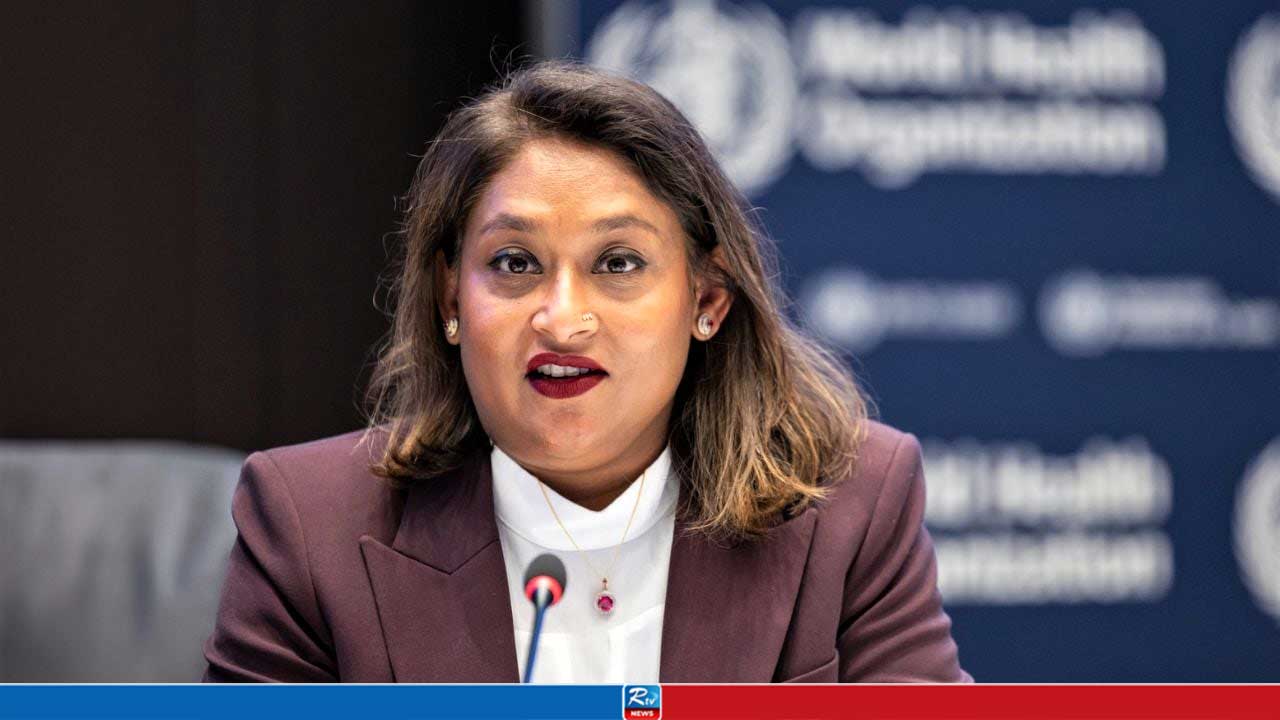
“Climate change is a public health crisis, affecting women and girls the most,” said Catherine Breen Kamkong, UNFPA Representative in Bangladesh.
“This Plan provides a clear pathway to ensure that even in the face of climate shocks, women can give birth safely and communities can rely on resilient health systems.”
A Collaborative Effort
The development of the HNAP was a multi-agency effort led by the Ministry of Health and Family Welfare with technical support from:
The initiative was also made possible through financial backing from the governments of the United Kingdom and Sweden.

Strategic Goals
The HNAP 2026–2031 focuses on:
System Preparedness: Ensuring healthcare continuity during extreme weather events.
Rights and Equity: Protecting the sexual and reproductive health rights of women and young people.
Multi-sectoral Action: Aligning health goals with Bangladesh’s broader National Adaptation Plan and global climate commitments.
As Bangladesh moves into the implementation phase, officials emphasized that the success of this plan will be vital in safeguarding the dignity and health of millions residing in high-risk climate zones.






 Live TV
 RTV Plus


