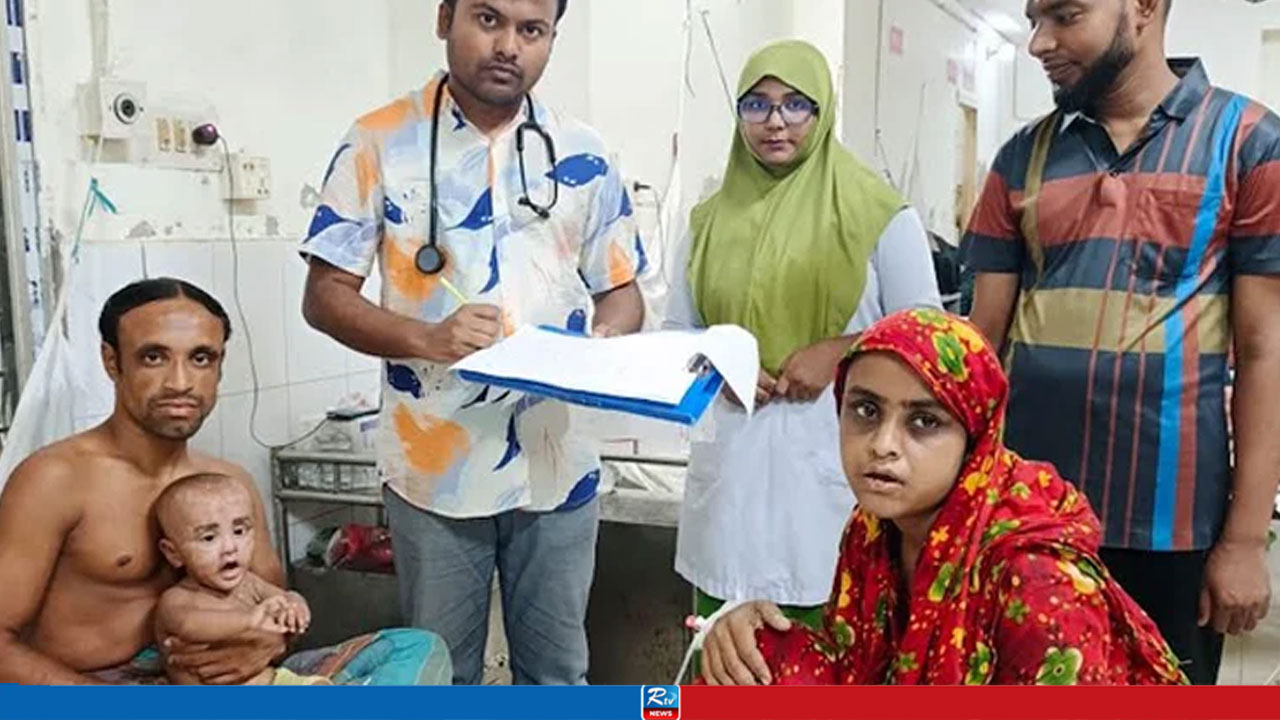
Dr. Suzanne Huurman is shattering glass ceilings as the head of the medical staff for Curacao’s men’s national team at the World Cup 2026, marking a historic moment in the tournament’s 96-year legacy.
As the only woman among 47 men serving as head of medical staff for this year's tournament, she becomes only the third female team doctor in the history of the men's World Cup, following Dr. Celeste Geertsema, who worked with New Zealand in 2010 and Dr. Silja Schwarz, who has served Germany since 2023.
Representing Curacao—the smallest nation in the tournament by population and size—Dr. Huurman initially took the historic nature of her role in stride.
"I didn't realise in the beginning because it's so normal to be the only, or one of the few, women in the room," she noted, adding, "But I hope to see more women soon because there are a lot more women out there who are capable."
Dr. Huurman’s path to the World Cup stage is paved with extensive experience, having worked with prominent clubs such as Real Madrid, Go Ahead Eagles, and PSV Eindhoven, alongside serving as medical lead for the Netherlands Under-16 boys and doctor for the Dutch women's handball team.
Reflecting on the male-dominated environment of the Curacao Football Federation, where she remains the only woman among a 49-person traveling party, she emphasized the importance of professional excellence.
"If you show them you're capable and you're good at what you do, then it's easy that they accept you because it's about quality and performing. If they see you're capable and you have the same goals, it's straightforward," she explained.
However, she acknowledged the systemic resistance many women face when entering the field, stating, "But you have to prove yourself. It's hard to get in because in the beginning you always have a lot of people that say no, this cannot be possible. How can women work in a male environment?"
The gender imbalance in sports medicine remains a point of concern for Dr. Huurman, who noted that while medical schools in the Netherlands are heavily female-dominated—often 70-75%—her specialization in sports medicine in 2014 saw a sharp decline in female representation to only 20-30%.
Even at the 2023 Women's World Cup, several squads, including England and Sweden, were supported by male team doctors. Dr. Huurman identified the high-pressure, "always-on" nature of elite football as a significant barrier for women.
"It's not only your capabilities—if you're a good professional that's one thing, but it's the travel, the lifestyle which can affect your personal life," she observed.
She highlighted the difficulty of balancing personal life milestones, such as pregnancy, with the rigid demands of a professional football season, noting, "If you have a family [or] you're pregnant, you will be out of work for a certain period—and you cannot time it perfectly with a professional football season. There must be someone who can cover. And that's hard as you want to be there for the team. It's not only in football, but the whole elite sports world, which is demanding 24/7."
Source: BBC



 Live TV
 RTV Plus