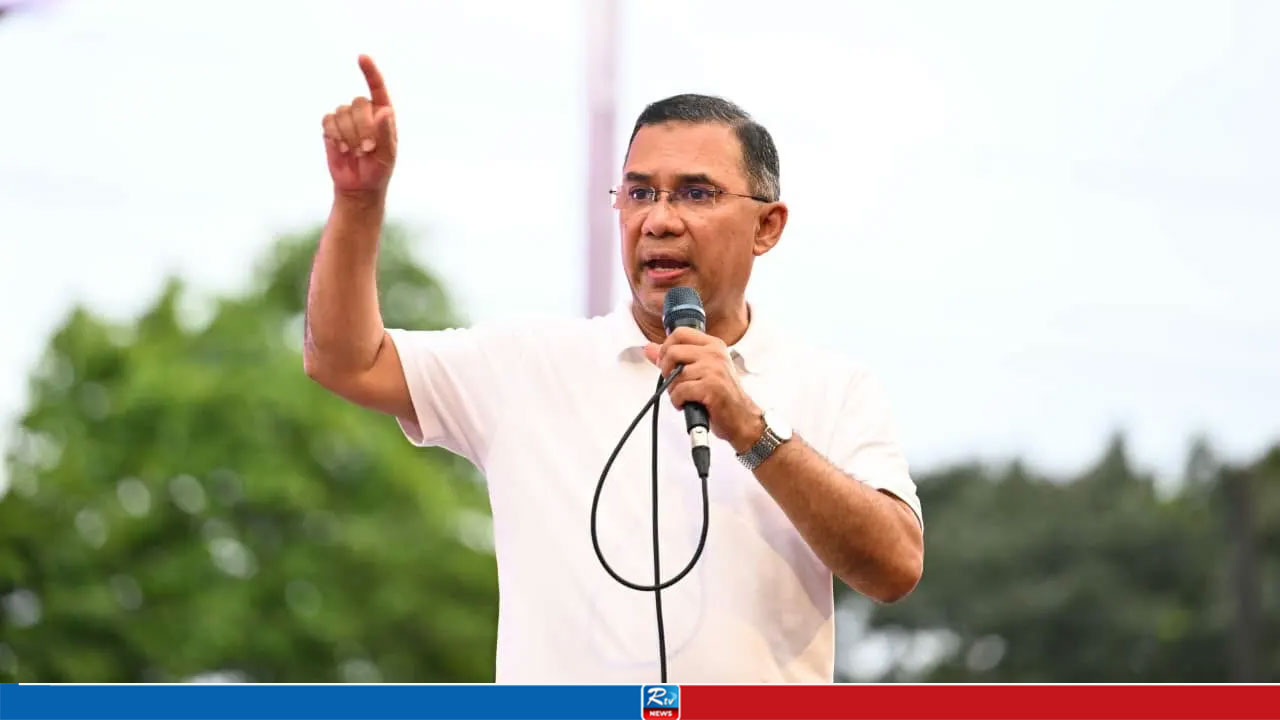
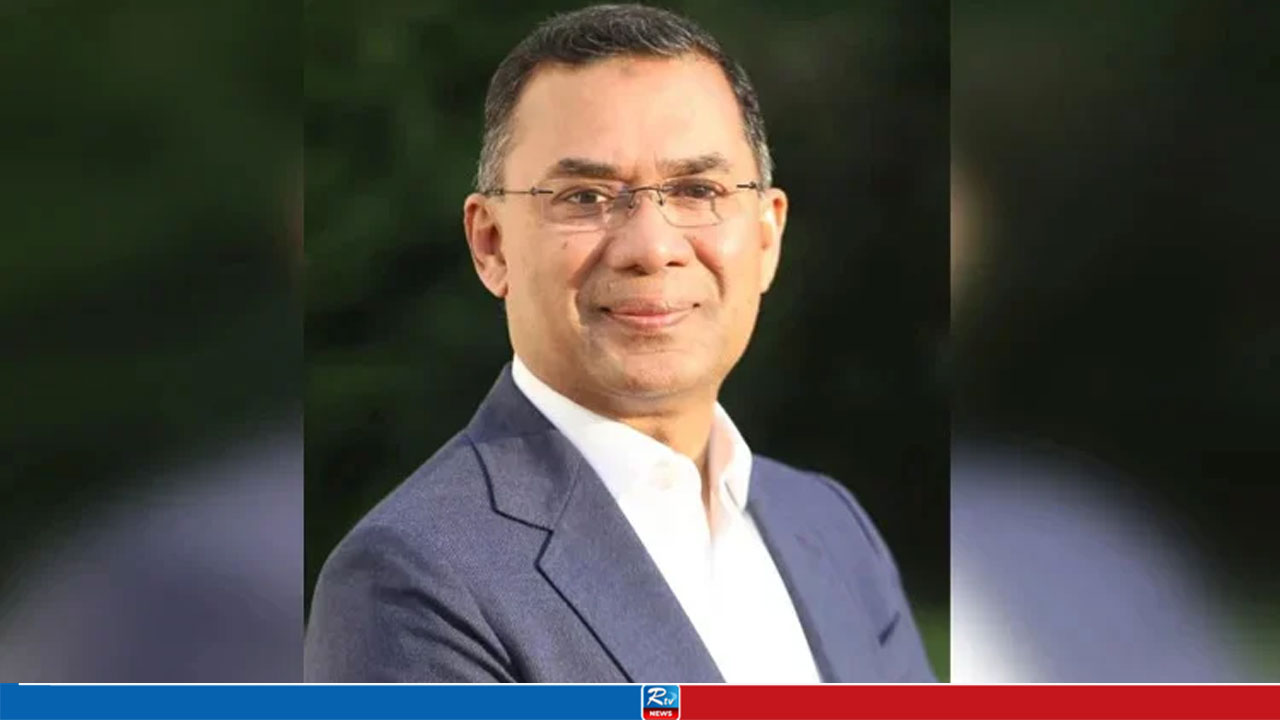
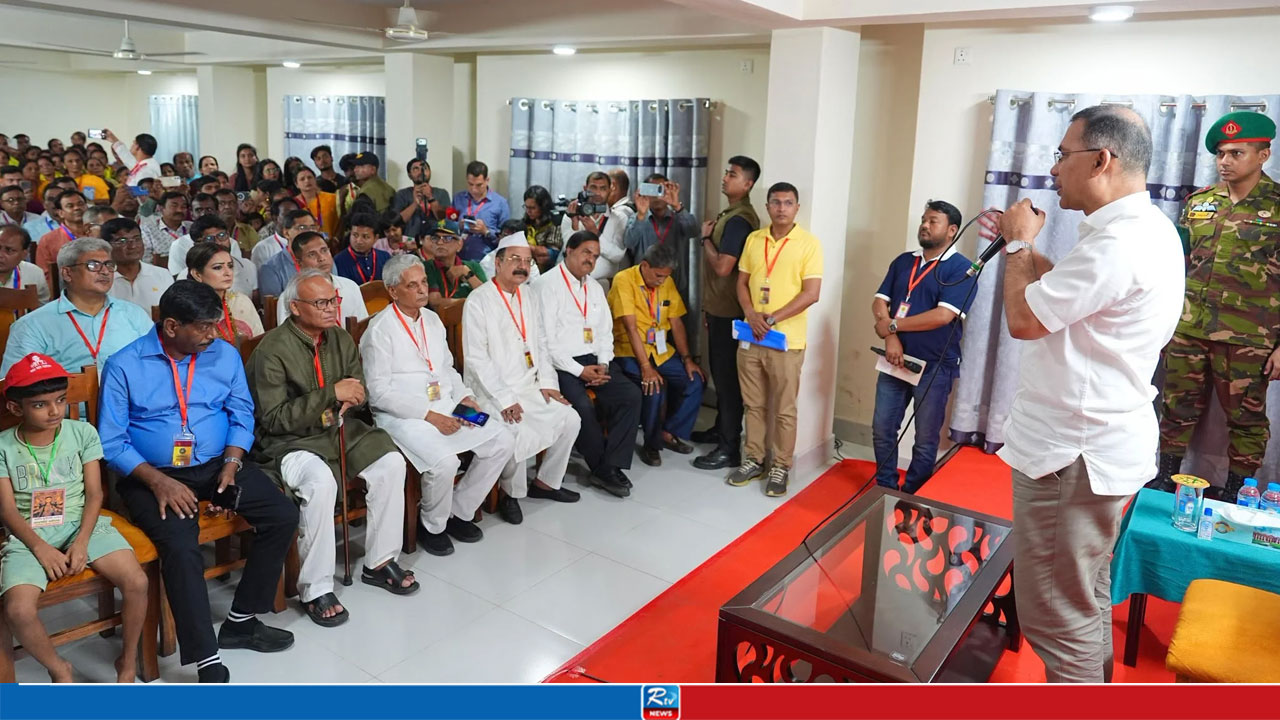
UK-based weekly The Economist has identified Bangladesh Nationalist Party (BNP) Chairman Tarique Rahman as the definitive front-runner for the Prime Minister’s office in the upcoming 13th National Parliament Election 2026 and the Referendum, scheduled to be held on February 12.
In a detailed analysis published on February 2, the magazine describes the 60-year-old leader as the "scion of a famous political family" poised to lead the country in its first democratic test since the 2024 "Gen Z" revolution ended the "murderous and venal 15-year rule of fascist Sheikh Hasina's Awami League."
According to the analysis, this transition back to democracy is expected to stabilize law and order, reassure global investors, and begin the complex task of mending the "fraught ties" between Bangladesh and India.
The Economist joins a growing list of international outlets, including Time and Bloomberg, in predicting a BNP victory.
The report vividly describes Rahman’s triumphant return to Bangladesh on December 25, observing that excited supporters dashed into the road as his bullet-proof bus rolled by, "slowing every couple of miles to give waiting fans a good look."
The report also highlights the significance of the vote for a generation of disenfranchised citizens.
"For two decades of my life my votes never counted," said Shafqat Munir of the BIPSS think tank, reflecting on the fact that 40% of the electorate has never participated in a proper election.
As the interim government under Nobel Laureate Professor Dr. Muhammad Yunus prepares to hand over power, The Economist notes that while the administration succeeded in steadying an "economy that was in free fall," the political door has opened wide for Rahman and the BNP, who are currently leading the polls.
Regarding his vision for the future, Rahman has promised job creation through investment and specialized training for youth to access high-paying work abroad.
His environmental and infrastructure platform is equally ambitious.
"He promises to dig 20,000km of canals to solve water shortages, and to plant 50m trees a year," the weekly noted. On the diplomatic front, Rahman expressed confidence in working with US President Donald Trump, describing him as "quite practical, quite pragmatic—he's a businessman."
Addressing concerns over past political cycles, Rahman emphasized a "people-first" governance model.
"Above all," he stated that his government would ensure freedom of speech and transparency, insisting that while those responsible for the 2024 killings must face justice, he would not target political rivals for vengeance.
"Being vengeful does not do anyone any good," he remarked.
Observers conclude that the leader who has returned from his 17-year exile in London appears fundamentally different, with The Economist noting he has spent his time abroad evolving into a "policy wonk" ready to govern.



 Live TV
 RTV Plus