
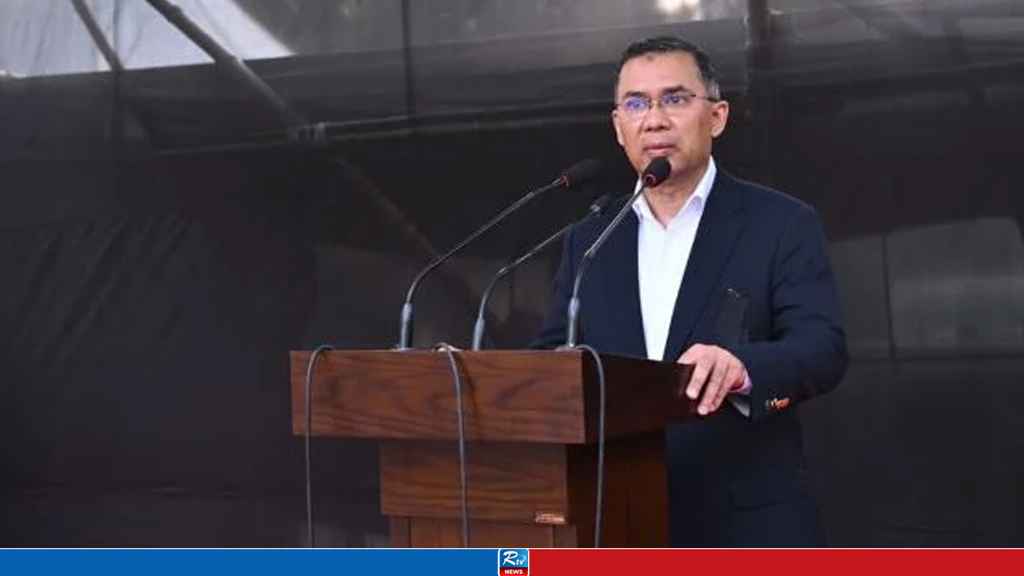
Amidst the massive political gathering at Manik Mia Avenue, a deeply personal tragedy unfolds in the eyes of Tarique Rahman.
Having lost his father in 1981 and his younger brother in 2015, the death of his mother, Begum Khaleda Zia, marks the final, somber chapter of his family’s sacrifice, leaving him to face the future as an orphan of the nation’s most prominent political dynasty.
The bond between mother and son was tested by 17 years of forced exile, but fate allowed them a final reunion. After returning to Bangladesh only five days ago, Tarique Rahman spent his mother’s final hours by her hospital bed at Evercare Hospital.
According to her personal physician, Dr. AZM Zahid Hossain, Tarique was the first to enter the ICU alone at 6 am on Tuesday. He stood in silent prayer, hands raised to the Almighty, as the "uncompromising leader" breathed her last.
Only days earlier, the Bangladesh Nationalist Party's (BNP) Gulshan office was alive with the celebration of Tarique’s homecoming. By Tuesday afternoon, the same halls were draped in a pall of gloom, with the Acting Chairman sitting "motionless like stone" as leaders discussed the funeral arrangements.
Tarique Rahman’s journey has been one of repeated bereavement and resilience.
He was just a child when his father, President Ziaur Rahman, was assassinated. Later, while in exile, he endured the agony of losing his brother, Arafat Rahman Koko, whose body he could only receive after it was flown back from Malaysia.
For decades, Tarique looked into his mother’s eyes to find the strength to overcome these losses. Now, with those eyes closed forever, he stands alone. Supporters note the "invisible emptiness" that seems to weigh on him—the dual burden of a son’s grief and the immense political responsibility his mother left behind.
Though the separation was long and the reunion brief, Khaleda Zia’s departure on Bangladeshi soil—as she always insisted—leaves a clear mandate for her son. She often told her supporters, "This country is my only address," refusing to leave even during her darkest days of imprisonment and illness.
As Tarique Rahman prepares to lead the BNP through the upcoming 13th National Parliament Election 2026, he does so without his greatest mentor. However, colleagues say he carries her final silent message: to never abandon the country, to fight for the people’s aspirations, and to choose the "thorny path" of national duty over personal ease.
Today, as he stands at Manik Mia Avenue, Tarique Rahman is more than a political heir; he is a son bidding a wordless, agonizing farewell to the woman who was his last remaining link to his home and his history.





 Live TV
 RTV Plus


