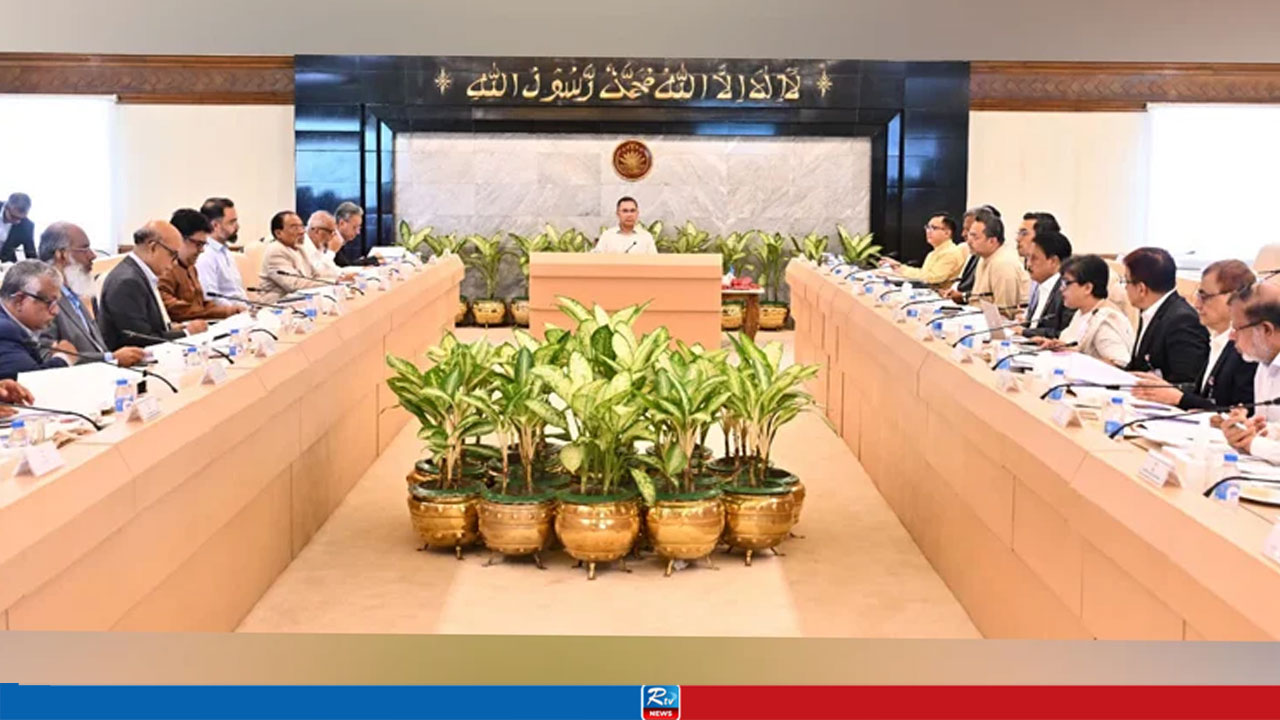
President Mohammed Shahabuddin on Friday called on the nation’s youth to revolutionize the jute sector through startups and innovation, urging them to leverage global e-commerce platforms to establish the 'Made in Bangladesh' brand in international markets.
Speaking at the inaugural ceremony of National Jute Day 2026 and a nine-day Jute Products Fair at the Osmani Memorial Auditorium, the President emphasized that the creative energy of the younger generation is essential to "open new horizons in the jute sector" and "spread Bangladeshi jute products across the world market."
The President described jute, famously known as the "golden fiber," as an inseparable part of Bangladesh’s heritage and a vital eco-friendly alternative in the face of global climate change.
"Jute is not only an agricultural crop but also an industrial and export commodity. Above all, it is a natural and eco-friendly fiber," he remarked, noting that the global shift away from harmful plastics has created a "new window of opportunity" for Bangladesh’s jute-based industries.
He urged stakeholders to enhance technology use and product diversification to meet this growing international demand for sustainable goods.
Highlighting the government’s economic agenda, President Shahabuddin noted that revitalizing the sector to create employment remains a top priority.
He mentioned ongoing initiatives to reopen closed jute mills and modernize the industry through expanded research and high-yielding varieties.
To support the backbone of the industry, the President announced that the government has waived agricultural loans up to 10,000 BDT for over 1.1 million farmers and will begin distributing "Farmer Cards" in phases starting from Pahela Baishakh on April 14.
The President concluded by reminding the public of their role in environmental preservation, urging citizens to ditch polythene bags in favor of affordable, locally-made jute alternatives.
Referring to this year’s theme, "Build the Jute Industry, Create Employment," he encouraged entrepreneurs to focus on "modern, innovative, and affordable jute products" that can compete on the global stage, ensuring that the legacy of the golden fiber continues to drive the nation's economic development.
With Inputs from UNB




 Live TV
 RTV Plus