Danish Prime Minister Mette Frederiksen visited the Greenlandic capital, Nuuk, on Friday (January 23) in a high-stakes show of solidarity as the autonomous territory faces unprecedented pressure from U.S. President Donald Trump.
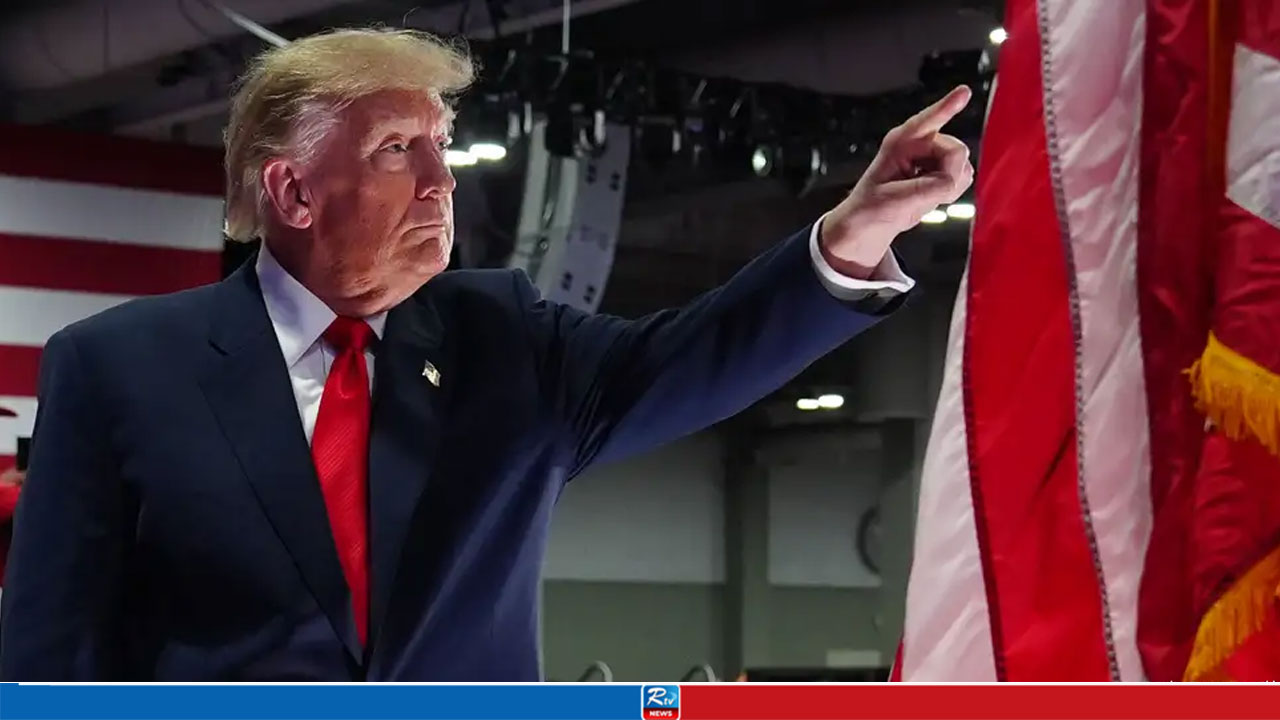
The visit took place shortly after President Trump, speaking at the World Economic Forum in Davos, slightly dialed back his rhetoric by ruling out the use of military force—though he insisted on "immediate negotiations" for the U.S. to acquire the island.
A "Dangerous Situation" for Greenlanders
Upon landing in Nuuk, Prime Minister Frederiksen met with Greenlandic Prime Minister Jens-Frederik Nielsen. She issued a sobering warning, stating that the people of Greenland are in a "dangerous and serious situation" due to the ongoing geopolitical tug-of-war.
Sovereignty is Non-Negotiable: Frederiksen reaffirmed that while Denmark is open to discussing security, Arctic strategy, and investments, Greenland's sovereignty is not up for debate.
Diplomatic Path: She emphasized that Denmark and Greenland are working together on a joint diplomatic strategy to manage the "unacceptable pressure" from Washington.
NATO and the "Arctic Sentry"
Earlier on Friday, Frederiksen met with NATO Secretary-General Mark Rutte in Brussels. The two leaders agreed on the need to bolster security in the Arctic to counter Russian and Chinese influence—a key concern cited by the Trump administration.
The "Framework" Deal: After meeting with Rutte in Davos, President Trump claimed a "framework of a future deal" had been reached. Reports suggest this may involve:
International Friction and Economic Threats
The "Greenland Crisis" has strained the Transatlantic alliance to a breaking point:
Tariff Threats: Trump previously threatened a 10% tariff (rising to 25% by June) on eight European nations—including Denmark, the UK, France, and Germany—for opposing his acquisition plans. Following his meeting with Rutte, these tariffs have been temporarily suspended.
European Defiance: EU leaders, including French President Emmanuel Macron and German Chancellor Friedrich Merz, have rallied behind Denmark. In Davos, Belgian PM Bart De Wever warned that Europe must not become a "slave" to U.S. territorial ambitions.
Russia’s Stance: Russian Foreign Minister Sergey Lavrov added fuel to the fire by questioning Denmark's sovereignty, calling Greenland a "colonial gain" rather than a natural part of Denmark.
Local Sentiment: "Not for Sale"
In Nuuk, the local population remains fiercely opposed to any U.S. takeover. Protests were held last Saturday (January 17) in front of the U.S. Consulate, with residents asserting that "Greenland belongs to the Greenlanders."
Prime Minister Nielsen reiterated that "international law is not a game" and that no deals can be made without the explicit consent of the Greenlandic people.







 Live TV
 RTV Plus