
Pakistan’s army chief arrived in Iran on Thursday, according to Iranian media reports, as Islamabad continues its mediation efforts while the Islamic republic evaluates a new United States proposal aimed at permanently ending the Middle East war.
The visit by Field Marshal Asim Munir, a powerful figure with an expanding role in Pakistan’s foreign relations, comes just one day after US President Donald Trump warned that negotiations to end the conflict are currently on the "borderline" between a permanent peace deal and a resumption of military strikes.
A ceasefire enacted on April 8 successfully halted the war that had been launched weeks earlier by the United States and Israel. However, subsequent negotiation efforts have so far failed to secure a lasting peace agreement.
While a war of words has largely replaced open conflict, the ongoing diplomatic impasse continues to weigh heavily on the global economy, leaving international investors and the agricultural sector in a state of severe uncertainty.
On Thursday, Iran’s ISNA news agency reported that Field Marshal Munir’s visit is aimed at continuing "talks and consultations" with top Iranian authorities, though official channels stopped short of providing specific details.
Pakistan previously hosted the only direct negotiations between US and Iranian officials since the outbreak of the war on February 28.
Field Marshal Munir was at the center of that diplomatic push, personally greeting both delegations upon arrival and displaying remarkable bonhomie with US Vice President JD Vance.
However, those initial talks ultimately collapsed with Iran accusing Washington of making "excessive demands."
Since the breakdown of direct talks, both nations have exchanged multiple written proposals under the constant threat of renewed warfare.
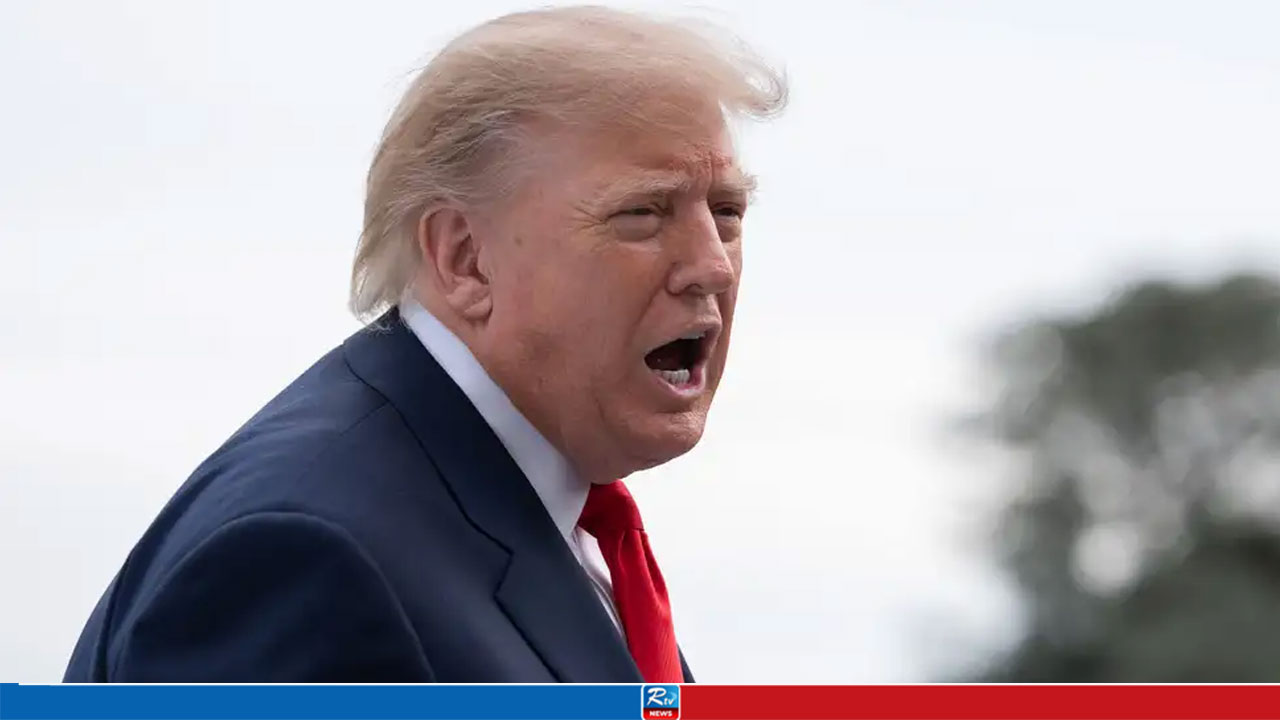
"It's right on the borderline, believe me," President Donald Trump told reporters on Wednesday. "If we don't get the right answers, it goes very quickly. We're all ready to go."
President Trump added that a deal could still materialize "very quickly" or "in a few days," but explicitly warned that Tehran would have to provide "100 percent good answers."
In response, Tehran’s chief negotiator, Mohammad Bagher Ghalibaf, accused Washington on Wednesday of actively seeking to restart the conflict, while warning of a "forceful response" if Iranian territory is attacked.
"The enemy's movements, both overt and clandestine, show that despite economic and political pressure, it has not abandoned its military objectives and is seeking to start a new war," Ghalibaf stated.
Meanwhile, Iran’s Foreign Ministry spokesperson, Esmaeil Baqaei, confirmed that the Islamic republic is closely examining the latest points received from Washington.
However, Baqaei reiterated Tehran’s core demands, which include the immediate release of its frozen assets abroad and an end to the ongoing US naval blockade.
President Trump faces mounting political pressure at home as domestic energy costs continue to climb.
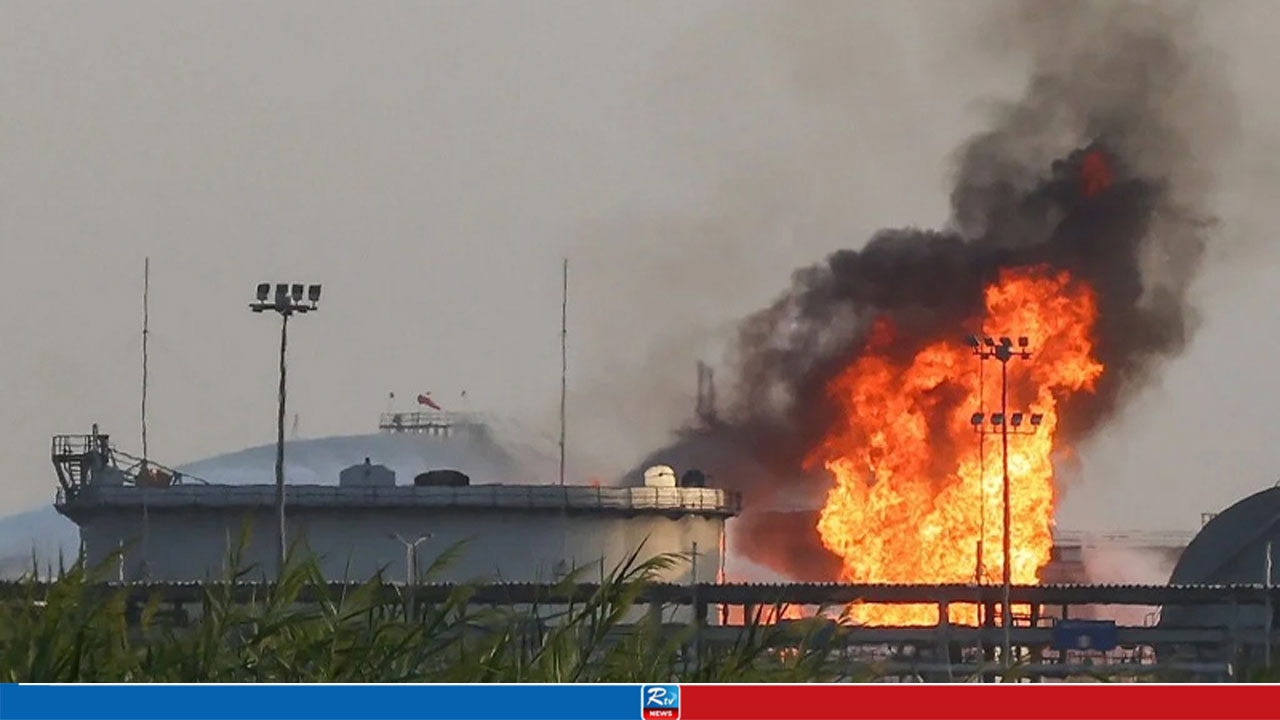
While the April ceasefire successfully halted active combat, it did not reopen the strategic Strait of Hormuz—a vital global waterway that normally carries approximately one-fifth of the world’s oil and liquefied natural gas (LNG).
The future operational status of the Strait remains a critical sticking point in the peace talks.
Fears are intensifying that the global economy will suffer deeper shocks as pre-war oil stockpiles begin to run dry.
Iran originally imposed the blockade on Hormuz as part of its wartime retaliation, allowing only a minor trickle of vessels through in recent weeks under a newly introduced toll system.
Beyond energy, the Strait of Hormuz also carries roughly one-third of global fertilizer shipments.
The prolonged closure has sparked deep concerns regarding impending food shortages and skyrocketing agricultural prices.
The United Nations Food and Agriculture Organisation (FAO) warned that a failure to reopen the shipping lane could trigger "a severe global food price crisis" and a "systemic agrifood shock."
Spurred by cautious hope, financial markets reacted subtly on Thursday, with crude oil prices edging up by roughly 0.5 percent.
This followed a sharp turn on Wednesday, where oil prices fell by more than five percent while US stock markets rallied.
Nonetheless, market analysts warn that international investors remain highly wary after weeks of false starts in the peace negotiations.
Source: AFP





 Live TV
 RTV Plus


