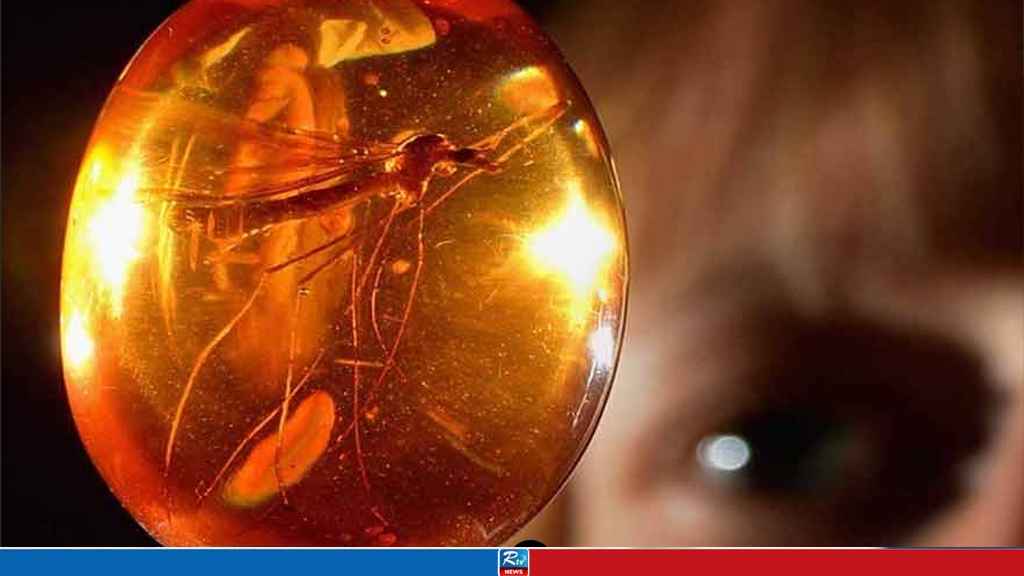
In the 1993 blockbuster Jurassic Park, scientists extracted dinosaur DNA from a prehistoric mosquito trapped in amber to recreate extinct giants.
While that remains science fiction, a new study by American entomologists proves that the core concept—mosquitoes as carriers of diverse animal DNA—is a scientific reality.
Inspired by Steven Spielberg’s film, entomologist Lawrence Reeves and his colleague Hannah Atusma launched a research project to see if modern mosquitoes could serve as a "genetic database" for contemporary wildlife.
The Research: A "Blood-Based" Census
The study was conducted in a 10,900-hectare protected area in Central Florida. Over eight months, the team collected more than 50,000 mosquitoes across 21 different species.
Because only female mosquitoes bite to obtain the protein necessary for egg production, the researchers focused on several thousand females.
By analyzing the "blood meals" found inside their abdomens, the team made a startling discovery: DNA from 86 different animal species was present within the insects.
Key Findings
A New Tool for Conservation
The researchers, including biologist Sebastian Botero-Cañola, suggest that analyzing mosquito blood could revolutionize how we track wildlife.
| Traditional Census | Mosquito-Based DNA Tracking |
| Expensive and labor-intensive. | Cost-effective in mosquito-rich areas. |
| Requires physical sightings or camera traps. | Acts as a passive "biodiversity sensor." |
| Can be difficult for shy/hidden animals. | Captures genetic data from diverse habitats (treetops to swamps). |
Can We Bring Back Dinosaurs?
Despite the breakthrough, the researchers clarified that the "Jurassic Park" scenario of reviving extinct creatures is still impossible.
DNA degrades over time, and usable genetic material cannot be extracted from ancient fossils or amber-preserved mosquitoes.
However, as Hannah Atusma noted in the research paper, this method could be vital in preventing current species from going extinct like the dinosaurs.
By monitoring the genetic health and presence of elusive animals through mosquitoes, conservationists can act faster to protect them.






 Live TV
 RTV Plus

