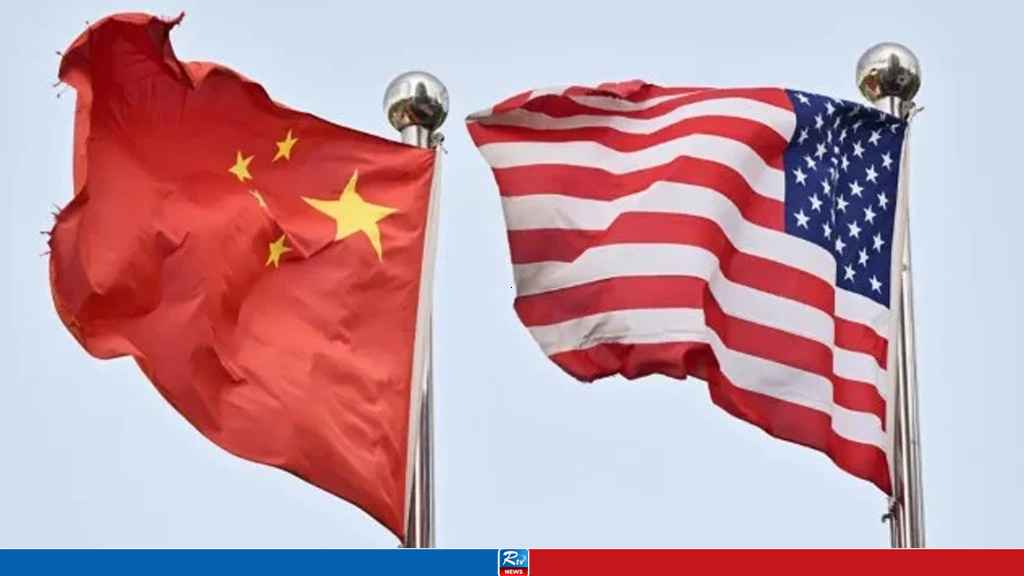
As the world’s two largest economies prepare for a potential high-stakes summit between President Donald Trump and Chinese leader Xi Jinping, a new proposed mechanism—the "US-China Board of Trade"—has emerged as a centerpiece of bilateral negotiations.
While proponents see a path toward a smoother coexistence, economic experts warn that "managed trade" could stifle market forces and global competitiveness.
What is the 'Board of Trade'?
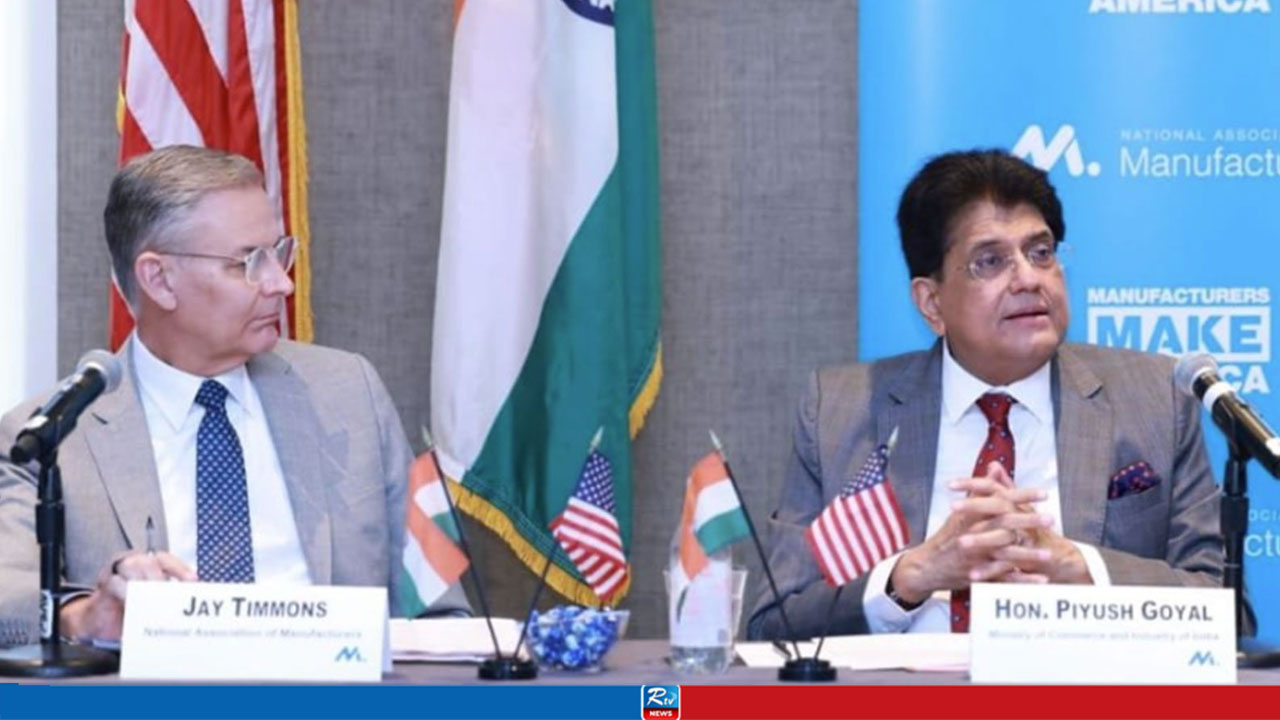
The concept surfaced following intensive talks between top economic officials in Paris last weekend. US Trade Representative Jamieson Greer confirmed that both sides are discussing a formal structure to identify and regulate the flow of specific goods.
According to Wendy Cutler of the Asia Society Policy Institute, the board would likely focus on expanding trade in non-sensitive products and negotiating mutual tariff reductions in non-strategic sectors.
Early progress reportedly includes Chinese commitments to purchase American agricultural products, energy, and aircraft.
A Shift Toward 'Managed Trade'
This approach marks a definitive shift from policy-based trade to "managed trade," which focuses strictly on outcomes.
Chad Bown of the Peterson Institute for International Economics notes that this mirrors the 1980s strategy used with Japan to control auto exports, as well as the "Phase One" deal from Trump’s first term.
Under that previous agreement, Beijing committed to importing an additional $200 billion in US goods over two years—a target that was famously never met.
Proponents argue a formal Board might succeed where the previous loose agreement failed by providing a more mechanized, continuous oversight structure.
Why Experts are Flagging Concerns
The move toward a more "mechanized" trade relationship has sparked significant anxiety among market purists. Joerg Wuttke of DGA-Albright Stonebridge Group expressed concern over the lack of traditional market forces.
"Instead of lowering regulations and letting companies decide prices, it becomes more administrative," Wuttke told AFP. "That is not a good sign for global competitiveness."
Further concerns involve domestic favoritism. Speaking on condition of anonymity, a US business leader questioned how Washington would decide which industries to prioritize and which sectors would be left behind in a managed system.
The Path to Sustainable Ties?
Despite the risks, some analysts believe the "old system" of constant trade conflict has proven ineffective.
A managed agreement could provide a more sustainable, long-term framework to prevent the "back and forth" of trade wars.
However, experts emphasize that any such deal requires a sincere, realistic commitment from both superpowers—a feat that remains "really, really hard" in the current geopolitical climate.
Source: AFP





 Live TV
 RTV Plus