
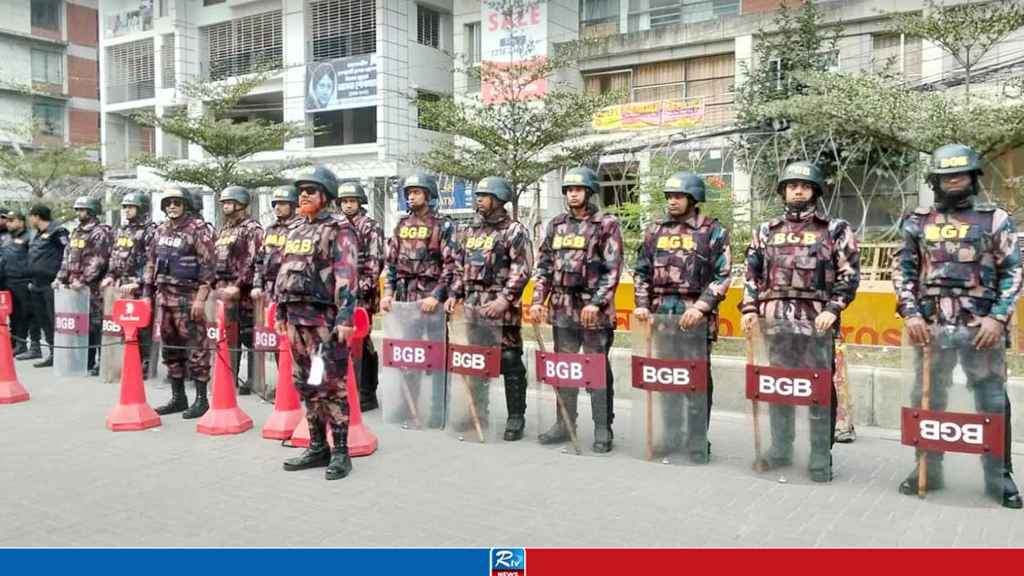
The National Independent Inquiry Commission formed to investigate the brutal massacre at the (then) BDR headquarters in Pilkhana is scheduled to submit its final report to the head of the interim government today.
The Commission also announced that it will hold a press conference on Sunday (November 30), the last day of its extended term.
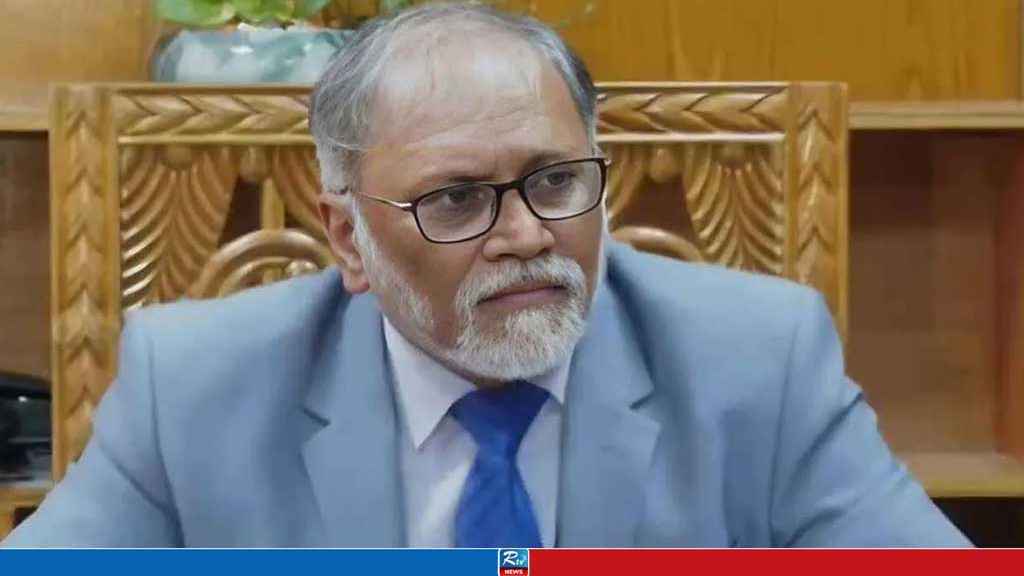
The Commission’s Chief, Major General (Retd.) A L M Fazlur Rahman, told the media on Saturday that the press conference will be held at 6:00 PM today (Sunday) at the BRICM building in Science Laboratory, Dhaka, to inform the public about the Commission’s findings.
The seven-member Commission, headed by former BDR Director General A L M Fazlur Rahman, had previously stated at a press conference on June 25th that the killing perpetrated at Pilkhana appears to be the result of a long-term conspiracy.
The Commission reported that evidence of involvement by then-political leaders in various ways has been found. Efforts to divert the investigation and destroy evidence were apparent, and the individuals and organizations responsible for this are being identified.
In response to the Commission's report submission, the family members of the martyred army officers in Pilkhana are set to hold a press conference on Monday at 10:45 AM. The press conference is scheduled to take place at the Eagle Hall of the Rawa Club.
Background
It is noteworthy that on December 19th of last year, family members of the deceased army officers filed a complaint with the International Crimes Tribunal (ICT) against 58 individuals, including former Prime Minister Sheikh Hasina and former Army Chief Moeen U. Ahmed, regarding the Pilkhana tragedy.
The list of 58 also includes Awami League leaders Sheikh Selim, Sheikh Fazle Noor Taposh, Mirza Azam, Jahangir Kabir Nanak, and several former army officers.
This independent National Commission was constituted on December 23rd last year. Earlier, on December 15th, the Ministry of Home Affairs had stated that forming a commission might be conflicting with court orders since two cases were already ongoing.
However, following extensive reaction from various parties, including the Anti-Discrimination Student Movement, the government later decided to form the Commission.




 Live TV
 RTV Plus


