Foreign and local investment in the Karnaphuli Export Processing Zone (KEPZ) in Chattogram has surged by 412 times over the past two decades, marking a monumental milestone in the region's industrial growth.
Spectacular Growth in Investment
According to BEPZ Executive Director Anwar Parvez, KEPZ commenced operations in the 2006–07 fiscal year with a modest initial investment of just $1.91 million.
By August of this year, total cumulative investment skyrocketed to $787.33 million, reflecting remarkable economic expansion.
Industrial Setup and Global Participation
KEPZ comprises 258 industrial plots, each spanning 2,000 square meters. The zone currently hosts 40 operational large, medium, and small enterprises:
Additionally, implementation work is underway for five more industrial units across 49,798 square meters of floor space.
Entrepreneurs from 14 countries have established manufacturing plants within the zone, including Bangladesh, China, Taiwan, Hong Kong, South Korea, India, Sri Lanka, Japan, the United Kingdom, the United States, the Netherlands, and Malaysia.
Export Milestones and Diversification
KEPZ officially commenced operations in 2006, with its first exports rolling out in November 2007. In its inaugural full fiscal year (2007–08), the zone exported goods worth $9.86 million.
Since its inception through August of this year, cumulative export earnings from KEPZ have reached $14,156.46 million.
Recent annual export figures highlight consistent performance:
Beyond massive volumes of readymade garments, KEPZ factories specialize in manufacturing high-value products for world-renowned brands, including tents and camping gear, bicycles, leather goods, furniture, specialized bags, fashion apparel, and safety suits.
Products manufactured here are exported to roughly 80 countries worldwide, spanning the European Union and the U.S. markets.
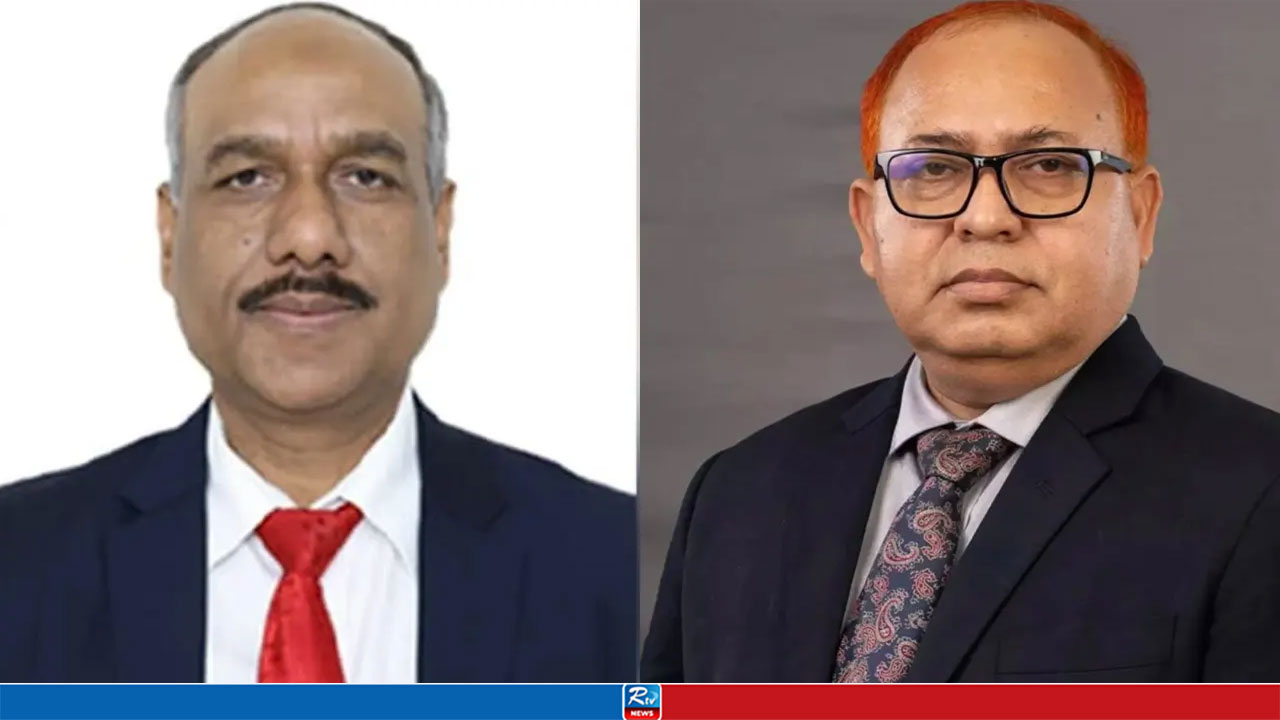
Speaking at an event marking KEPZ’s 20th anniversary, BEPZ Executive Director Mahbub Ahmed Siddiqui emphasized that product diversification has been a primary catalyst for this phenomenal growth.
"The lion's share of our massive export earnings stems from the diversification of world-class products," Siddiqui noted.
"KEPZ has transformed into a premier hub for high-value and specialized manufacturing, producing technology-driven sportswear, high-tech equipment, and premium lifestyle goods."
Revival of the Historic Patenga Industrial Hub
BEPZ was established on abandoned land formerly belonging to the Chattogram Steel Mills Limited.
The state-owned steel manufacturing giant had suffered extensive damage during the catastrophic cyclone of 1991 and struggled with prolonged mismanagement, ultimately leading to its closure in 1998.
During its golden era, the steel mill employed around 10,000 workers, breathing life into the Patenga industrial zone. Its closure left the vast expanse desolate and lifeless.
However, the scenic banks of the Karnaphuli River regained their economic vitality after a visionary decision by the BNP government led by then-Prime Minister Khaleda Zia to establish KEPZ as a specialized industrial enclave.
KEPZ was officially inaugurated by then-Prime Minister Khaleda Zia in the presence of the then-Commerce Minister (and current Finance and Planning Minister) Amir Khru Mahmud Chowdhury, ushering in a brand-new era of industrialization in the Patenga region.




 Live TV
 RTV Plus