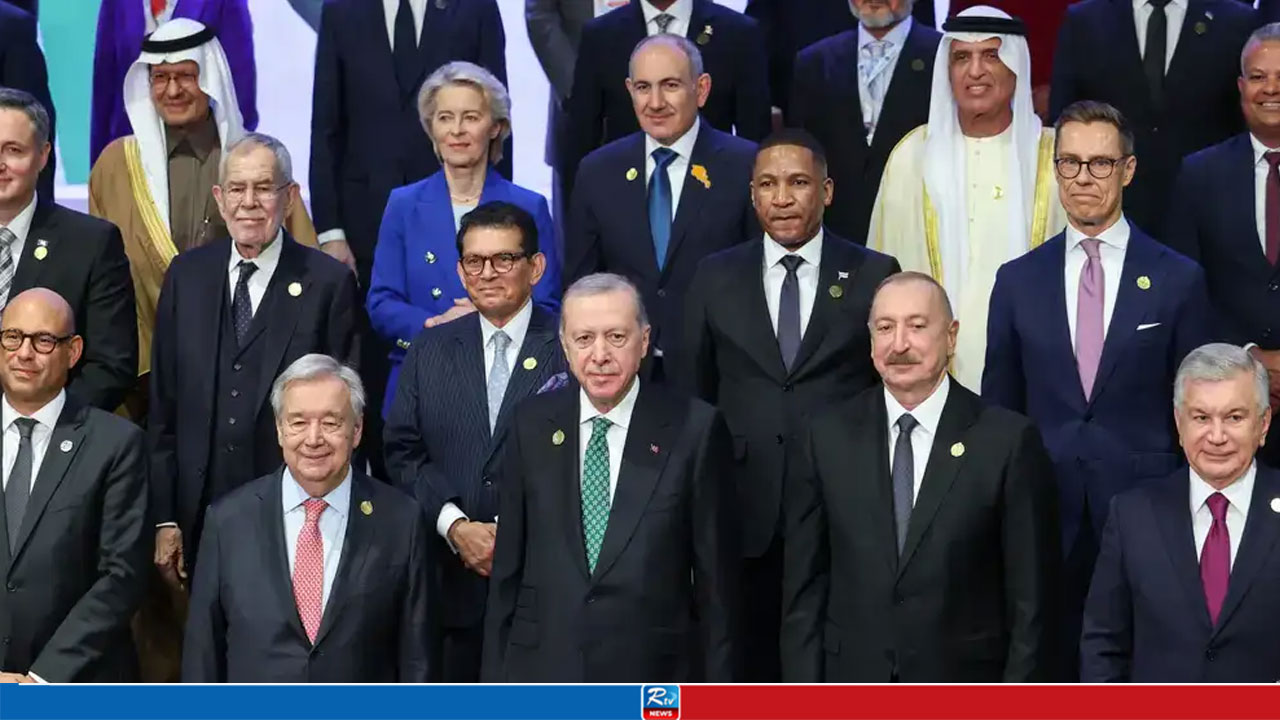
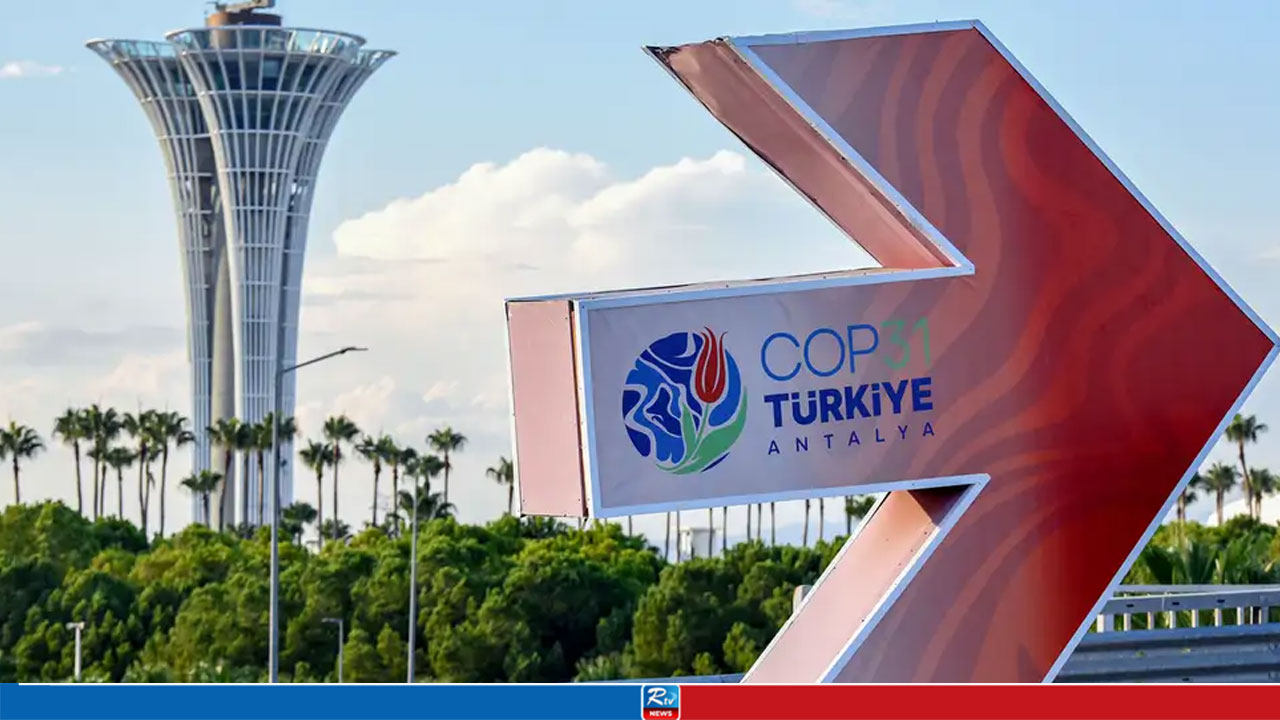
The slow international response to climate change has placed the world on a path to destruction, UN Secretary-General Antonio Guterres told heads of state and government at this year's COP31 climate conference.
"The brutal truth is that the climate crisis is outrunning us," he said, as world leaders gathered in the Turkish resort city of Antalya to set the tone for negotiations at the UN climate summit.
A UN report last month found the world will cross a temperature threshold countries agreed to pursue in order to prevent runaway global heating. At the same time, states like Germany are slipping down the rankings for climate action, according to the annual Climate Change Performance Index published Wednesday by New Climate Institute and Germanwatch.
Nonetheless, Guterres said the world has "the power to make sure the overshoot is a temporary breach."
Extreme heat, glacier collapse killed thousands
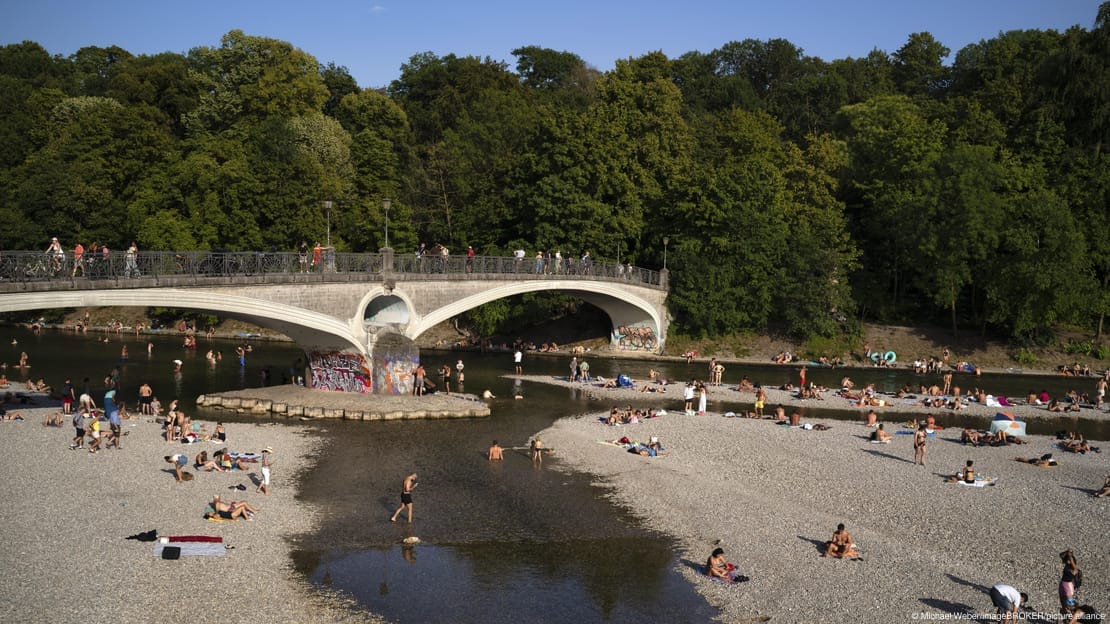
Negotiators from close to 200 countries are meeting in Turkey at the end of a year characterized by extreme heat waves and a glacier collapse in Nepal that triggered a flood, killing more than 1,400 people and leaving thousands more missing.
At this year's talks, national representatives will hash out climate solutions such as increasing the share of electricity in an effort to move away from fossil fuels.
The US, the world's largest historical emitter of damaging greenhouse gases, is not attending the climate conference — for the second year in a row after US President Donald Trump withdrew the country from the Paris Agreement in 2025.
Other nations, including big polluters like Germany, France, Italy, Canada and Japan, also opted not to send their top leaders to the talks.
A question of implementing promised climate action
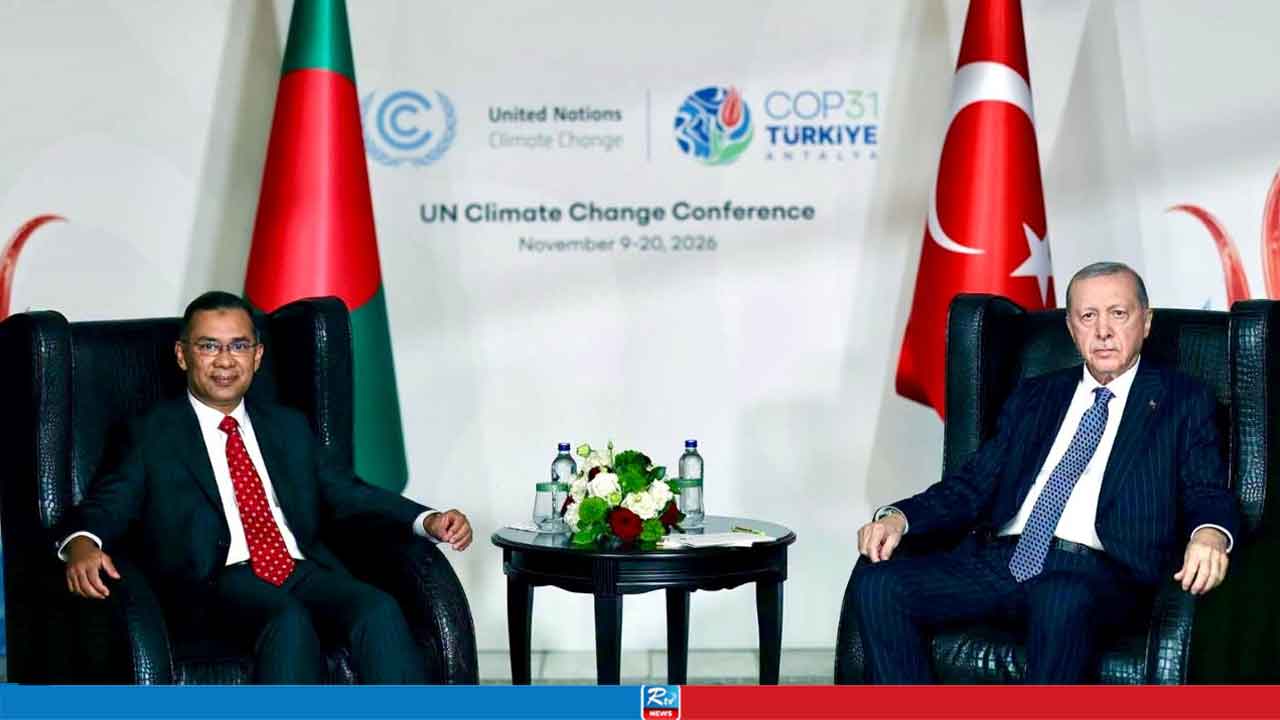
Turkey's President Recep Tayyip Erdogan, who is hosting COP31 together with Australia, which is leading negotiations, called on developed nations to take greater responsibility on climate finance.
Financing disagreements center around who should pay for international climate action, whether funding should take the form of grants or loans and how to scale monetary support for developing nations. Many of these countries are among the most vulnerable to the climate crisis but have contributed very little to the emissions causing it.
Erdogan said while previous conferences had resulted in different ideas around financing, they have yet to be turned into action. "We set out to make this an implementation COP," he told leaders.
European Commission President Ursula von der Leyen addressed remarks that developed nations are not contributing enough to climate finance, saying that the transition away from fossil fuels is in "our common interest."
"Europe is the world's largest provider of climate finance. Last year alone, we contributed more than €32 billion [about $35.5 billion] to support developing countries," she said, adding that Europe will continue to support partners worldwide in tackling climate change.
A recent Carbon Brief analysis found that public funding pledged under the Paris Agreement to help developing countries tackle climate change fell by more than 70% in 20 26.
Most multi-year pledges from donor countries expired in 2025. Since then, the US has stepped back from international climate efforts, while several European countries have cut their aid budgets, reported Carbon Brief.
Hilda Heine, president of the Marshall Islands in the Pacific, which face an existential threat from rising sea levels, said the response to overshoot "must be overwhelming" and quickly reversed otherwise "the world we know is over."
"Every fraction of a degree of warming brings more catastrophe," said Heine, adding that more warming makes it more difficult to adapt to living on a hotter planet, brings greater loss and damage from worsening weather extremes and greater financial need.
She called on leaders to triple climate finance by 2035 and make it easier for Small Island Developing States to access the money.
"We are told there is no money, but their spending on war grows; the greatest security threat we face remains underfunded. I appeal to you: Find money for life, not death. Replenish the climate funds," Heine said.
'Critical decade' for clean energy tech, electrification
Australian Prime Minister Anthony Albanese spoke of a "solemn responsibility to this and to future generations to act," adding that this is the critical decade.
Australia, the world's third-largest fossil fuel exporter, has vowed to promote the views of the "Pacific family" — small Pacific nations in the region such as Tuvalu or Fiji, where pre-COP meetings were held in October.
Albanese said it was crucial that climate cooperation delivered practical results — "unlocking investment in clean energy technologies, accelerating electrification, speeding up action for our oceans, unlocking climate finance for those who need it most."
As reasons to speed up electrification von der Leyen pointed to wildfires in Europe and floods in Nepal, as well as droughts stretching from Central America to Sudan, and to the disruption to energy supplies linked to the crisis in the Strait of Hormuz.
"The world is witnessing the cost of continuing with the status quo for our climate and our energy security," she said, adding that the European Union would double down on efforts to become climate neutral.
"Three-quarters of humanity live in countries that import fossil fuels, hostage to price shocks they did not create and cannot control," UN Secretary-General Guterres said, adding that recent conflicts have made clear a shift to renewable energy would help improve energy security and the cost-of-living crisis.
Von der Leyen also expressed support for COP31's 35-by-35 electrification pledge. The pledge aims to increase electricity's share of final global energy use to 35% by 2035, with von der Leyen saying Europe would be the first "electro-powered" continent.
Heine of the Marshall Islands said electrification must must be strictly tied to renewable energy generation rather than fossil fuels, warning that continued oil, coal and gas extraction was a threat to her country's survival.
Iran seeks compensation for war-related environmental damage
Iran's President Masoud Pezeshkian said his country wanted compensation for environmental damage caused by US and Israeli strikes, including oil leaks from attacks on tankers. The strikes began in February.
Iran, which is a major fossil fuel producer and has pushed back against strict language on phasing out oil and gas at previous COPs alongside other petrostates, has also struck tankers in the Strait of Hormuz.
Pezeshkian linked the issue to climate finance and said his country expected "responsibility in times of war, to document and assess the environmental damages caused by military aggressions and to develop compensation mechanisms."
Brazil's President Luiz Inacio Lula da Silva, who hosted last year's COP in the Amazonian city of Belem, said the momentum for climate action had dropped off at the start of the year, partly due to the Iran war.
"We started talking more about weapons and tariffs than the survival of future generations," he said.
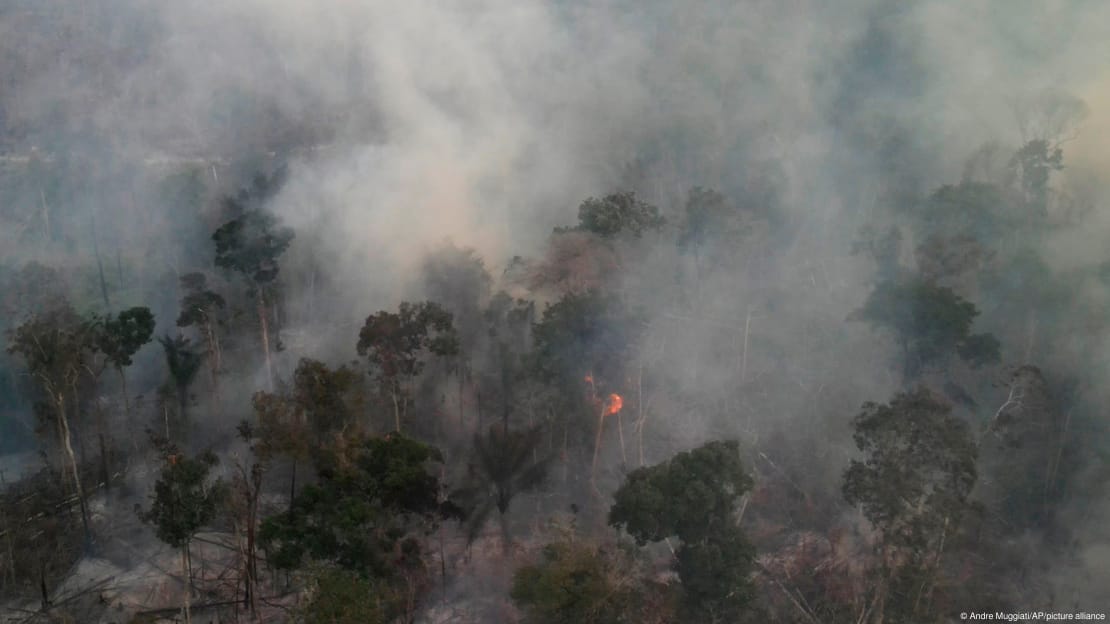
He also warned that "climate agreements are the favorite targets of reactionary forces at COPs," and urged leaders to work together. Lula promised to protect the Amazon rainforest. "Brazil is back to defend the continuity of a healthy planet," he said.




 Live TV
 RTV Plus