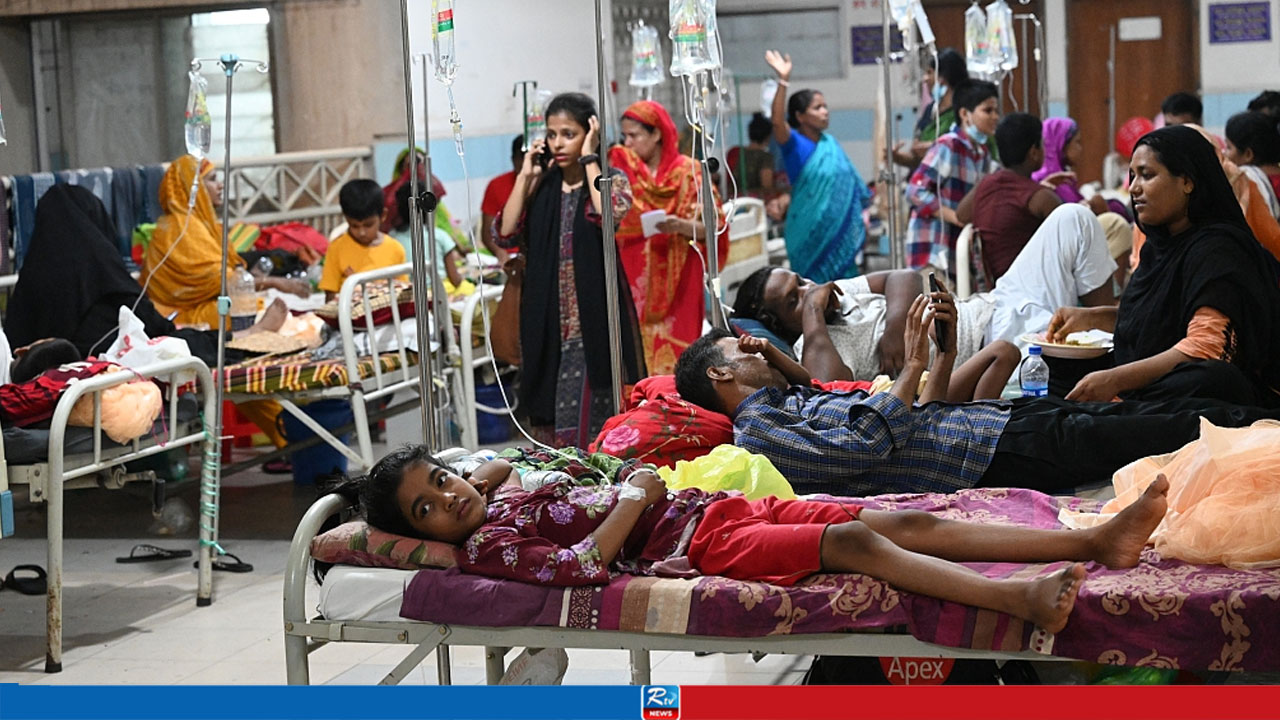
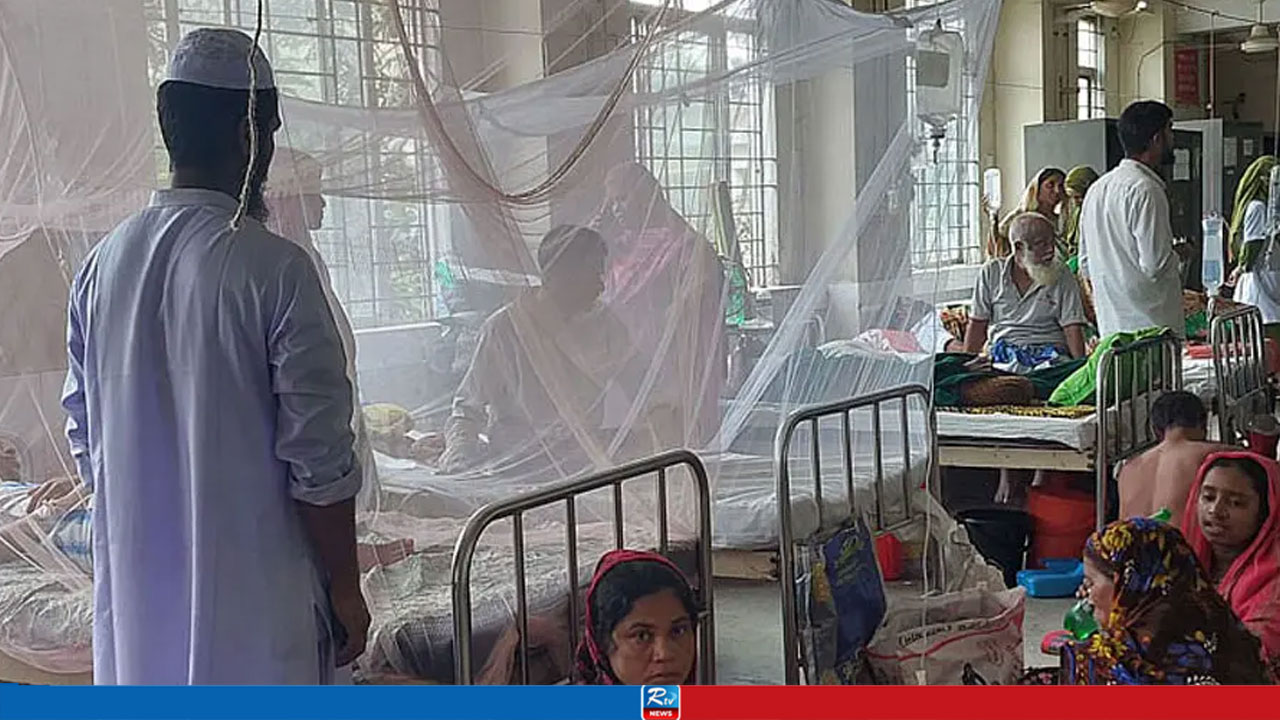
The number of people infected with HIV is steadily increasing in Cox's Bazar. Officials attribute the rising transmission rates to unprotected sexual relations, multiple marriages, a lack of health education, inadequate awareness, and a reluctance to seek regular healthcare services.
According to sources, approximately 93 percent of the total HIV-infected individuals in the district are Rohingya refugees, a statistic that has heightened concerns among public health experts.
They noted that alongside the humanitarian, social, and environmental pressures of the Rohingya crisis, Cox's Bazar is now facing another silent health risk.
Health department data shows that around 17,500 HIV-positive individuals have been identified nationwide. Out of these, nearly 2,500 are located in Cox's Bazar.
Alarmingly, only 170 of the infected individuals belong to the local host community, while the vast majority reside in various refugee camps across Ukhiya and Teknaf.
Data from the Anti-Retroviral Therapy (ART) Center at Cox's Bazar Sadar Hospital indicates that the number of infections began to rise significantly following the major influx of Rohingya refugees in 2017.
In 2025 alone, 217 new HIV-positive cases were detected, all of whom were Rohingya. The previous year, in 2024, the number of recorded cases was 215.
Cox's Bazar Civil Surgeon Dr. Mohammad Sabir stated that the HIV infection rate is much higher among the Rohingya population compared to the local community. He added that the health department is working continuously to raise awareness alongside providing medical treatment.
According to experts, the challenge is not confined to infected adults; the virus is also being transmitted from infected mothers to newborns, posing a risk to the next generation.
Professor Dr. A.K.M. Serajul Islam, an HIV and AIDS researcher, noted a severe lack of health education among the Rohingya community.
He explained that many are unaware of how the virus spreads or how it can be prevented, meaning an unaware infected individual can easily transmit it to others.
He further emphasized that if necessary medical care and precautions are not ensured for infected mothers, the virus can be transmitted to the child during pregnancy or childbirth.
Dr. Mezbah, the physician in charge of the Cox's Bazar ART Center, confirmed that several children are currently undergoing treatment after testing positive for HIV, having contracted the virus from their mothers at birth.
To prevent such cases, infected mothers are being placed under special observation and treatment under the 'Prevention of Mother-to-Child Transmission (PMTCT)' program.
Experts emphasize that controlling HIV transmission in the Rohingya camps requires more than just medical treatment.
It demands extensive health education, awareness campaigns, regular testing, and coordinated initiatives to reduce risky behaviors. Otherwise, it could evolve into an even greater public health challenge in the future.



 Live TV
 RTV Plus