Once on the verge of eradicating measles, Bangladesh is now facing one of the most severe public health crises in its history. Since March 15 of this year, 1,002 children have died from measles and its complications.
According to data from the U.S. Centers for Disease Control and Prevention (CDC), Bangladesh is currently grappling with the largest measles outbreak in the world.
The information came to light in a report published on Monday, September 9, by the British news agency Reuters.
The report noted that routine vaccination programs were severely disrupted during 2024 and 2025 amid political instability following the fall of former Prime Minister Sheikh Hasina.
Although an emergency nationwide vaccination campaign was launched last April, this prolonged outbreak has not yet been brought under control.
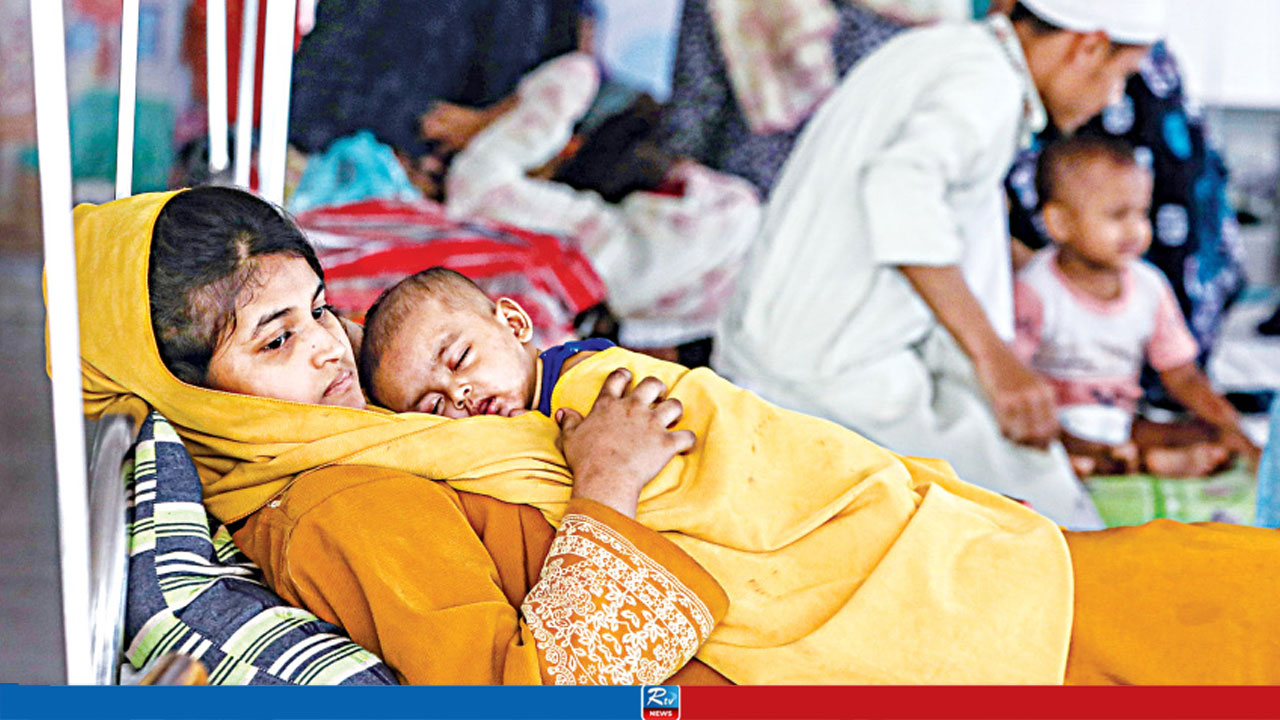
Hospitals are struggling with overcrowded wards, shortages of vaccines and medical supplies, and an escalating influx of measles-infected children.
Health officials and experts state that political turmoil left a large cohort of children unimmunized, creating a severe shortage of vaccine supplies.
This has put infants under nine months old—who are too young for routine immunization—at extreme risk, allowing the highly contagious virus to spread rapidly across all age groups.
According to Ministry of Health data, over 167,000 people have exhibited measles symptoms since the outbreak began in March, with 19,835 cases confirmed in laboratories.
More than 146,000 people have been hospitalized nationwide.
The outbreak has claimed the lives of 1,002 children, out of which measles as the cause of death has been laboratory-confirmed in 100 cases.
For years, Bangladesh successfully maintained the World Health Organization’s (WHO) benchmark of 95 percent vaccination coverage.
Aside from a temporary disruption during the COVID-19 pandemic, the country was firmly on track toward measles elimination.
Experts attribute the destructive resurgence of measles to the short-sightedness of the interim government.
They noted that following the interim administration's assumption of office, weak surveillance and abrupt changes in vaccine procurement policies failed to ensure adequate supplies, leaving countless children vulnerable to the hyper-infectious disease.
Speaking in parliament on Monday, September 7, Health Minister Sardar Md. Sakhawat Hossain stated that changes in procurement policy triggered an acute market crisis for vaccines. He added that children are now paying the price for delayed immunization programs in 2024 and the cancellation of the nationwide measles-rubella campaign the following year.
International bodies, including the WHO and UNICEF, have also identified these immunization gaps as the primary driver of the outbreak.
In the early stages of transmission, nearly 80 percent of those infected were children under five.
The government set a target to vaccinate approximately 18 million children aged six months to under five years through an emergency measles-rubella campaign.
Ministry of Health figures indicate that over 19.7 million children were vaccinated, yet the spread of measles remains uncontained.
Experts emphasize that many children still remain outside the coverage of immunization programs, making targeted vaccination campaigns urgently necessary.
Professor Dr. Mahmudur Rahman, an epidemiologist and former director of the Institute of Epidemiology, Disease Control and Research (IEDCr), said that gaps in vaccination coverage during 2024 and 2025 have derailed Bangladesh's elimination goals.
Describing the severity of the situation, he noted,
"To my knowledge, so many children have never died from measles in Bangladesh before. We have no prior experience seeing this many patients in a single year. It is a heartbreaking incident, and tragically, innocent children are paying the price."
He added that escaping this situation requires immediately bringing unvaccinated children under immunization, boosting coverage, and fostering robust public awareness.
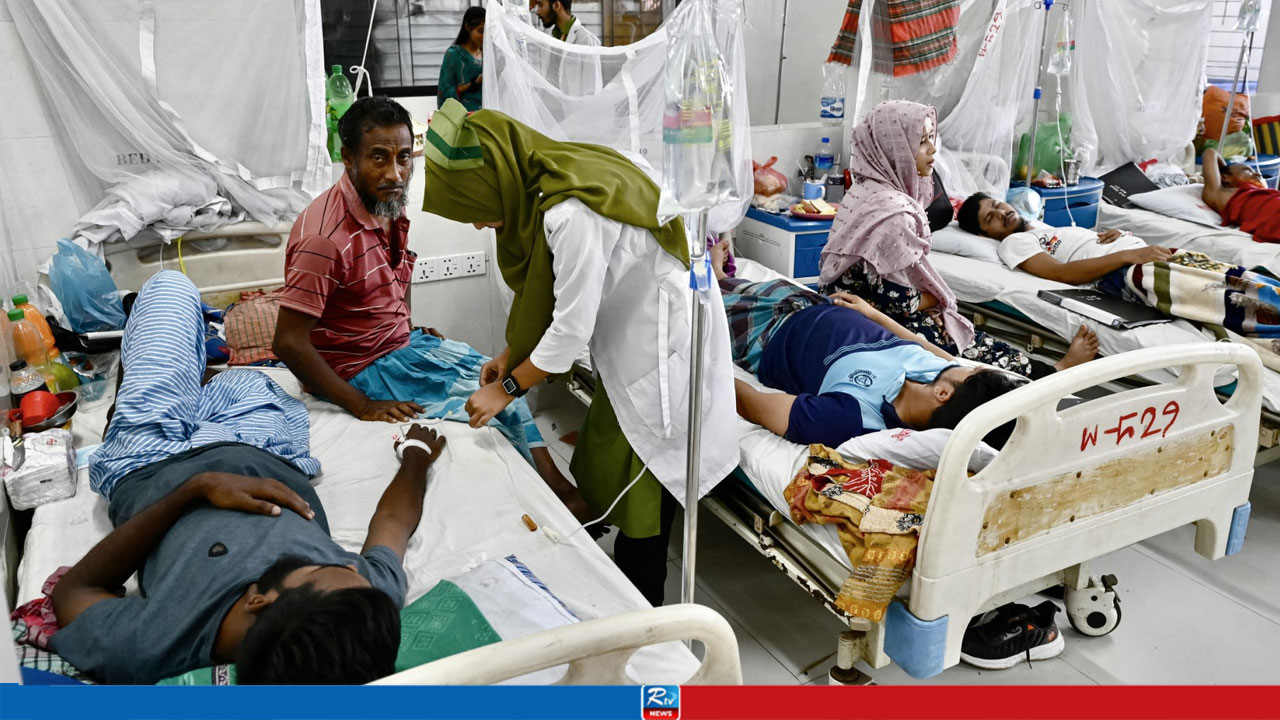
Meanwhile, this sudden surge in measles cases coincides with the country's healthcare system already reeling from an escalating dengue epidemic, compounding the struggle to manage measles patients.
Ministry of Health data shows that over 45,000 people have already been hospitalized with dengue this year.
On Tuesday alone, a record 9 deaths and 1,571 new hospitalizations were reported—the highest daily figure of the year.
Dengue claimed another 3 lives on Wednesday, with 1,463 new patients admitted to hospitals.
Dr. Nanda Dulal Saha, acting director of Shaheed Suhrawardy Medical College Hospital in Dhaka, said the patient load is so overwhelming that providing beds has become impossible.
Although 60 beds are allocated for measles patients, many children are being treated on the floor.
He noted that a severe shortage of essential pediatric saline to treat dehydration in children is further compounding the crisis.
The 1,350-bed hospital is currently treating over 2,350 patients.
For ordinary families, the measles outbreak has translated into boundless suffering.
Weeks of uncertainty, running from one hospital to another, and mounting medical expenses are breaking the backs of low-income households.
Between the spread of dengue driven by climate change and rapid urbanization, and the resurgence of preventable diseases like measles, the overall capacity of Bangladesh's fragile healthcare system faces a profound challenge.





 Live TV
 RTV Plus