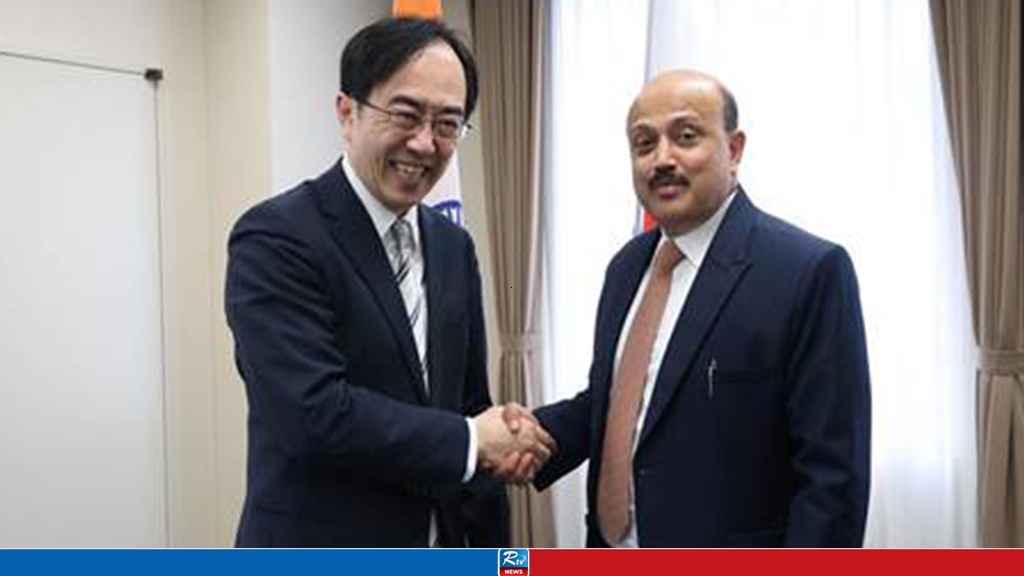
The 11th edition of the Raisina Dialogue, India’s flagship conference on geopolitics and geo-economics, commenced in the national capital today (Thursday).
Organized by the Observer Research Foundation (ORF) in partnership with the Ministry of External Affairs, the three-day summit brings together global leaders and technology experts under the theme "Samskara: Assertion, Accommodation, Advancement."
The conference, running from March 5 to 7, focuses on how technological disruption, strategic competition, and economic security are fundamentally reshaping the global political landscape.
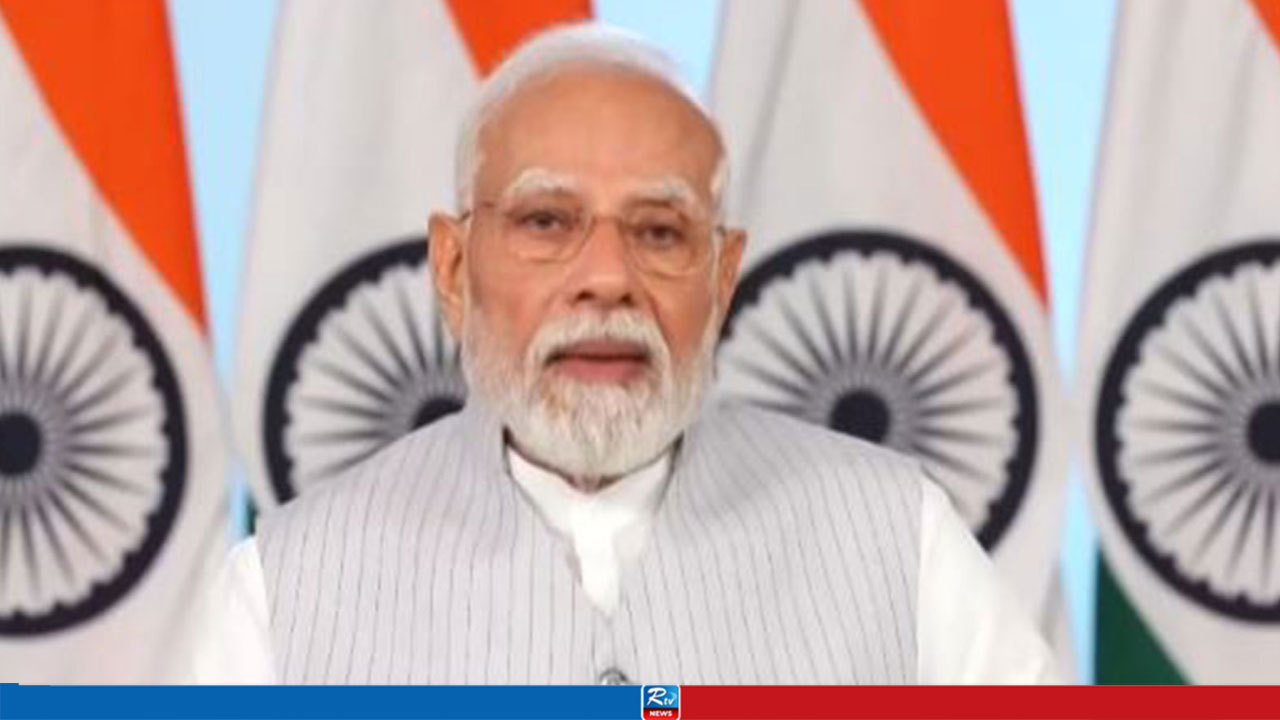
Prime Minister Narendra Modi inaugurated the event, joined by Finnish President Alexander Stubb, who is attending as the Chief Guest and keynote speaker.
High-level dignitaries from around the world have arrived for the Dialogue, including Foreign Ministers from Bhutan, Mauritius, Malta, Seychelles, and Sri Lanka.
This year's discussions center on the tension between traditional alliances and a "technopolar" world, where global influence is increasingly defined by control over artificial intelligence, semiconductor supply chains, and digital infrastructure.
The opening day features panels examining the "Paradox of NATO" and the future of transatlantic security, alongside sessions highlighting India's Digital Public Infrastructure (DPI) model.
Speakers have described the DPI initiative as a potential "Manhattan Project for AI for public good," designed to expand digital inclusion for informal workers and rural populations.
Climate geopolitics also features prominently, with policymakers debating ways to protect green investment flows from great-power rivalries.
As the Dialogue progresses, sessions will shift toward security challenges in the Taiwan Strait—often referred to as "Pax Silica" due to semiconductor dependence—and the emerging risks from autonomous AI systems.
India is utilizing the forum to position itself as a "bridge nation" between developed economies and the Global South.
The summit will conclude with a focus on "Viksit Bharat 2047," India’s long-term roadmap to becoming a developed economy by the centenary of its independence.
Source: ANI




 Live TV
 RTV Plus