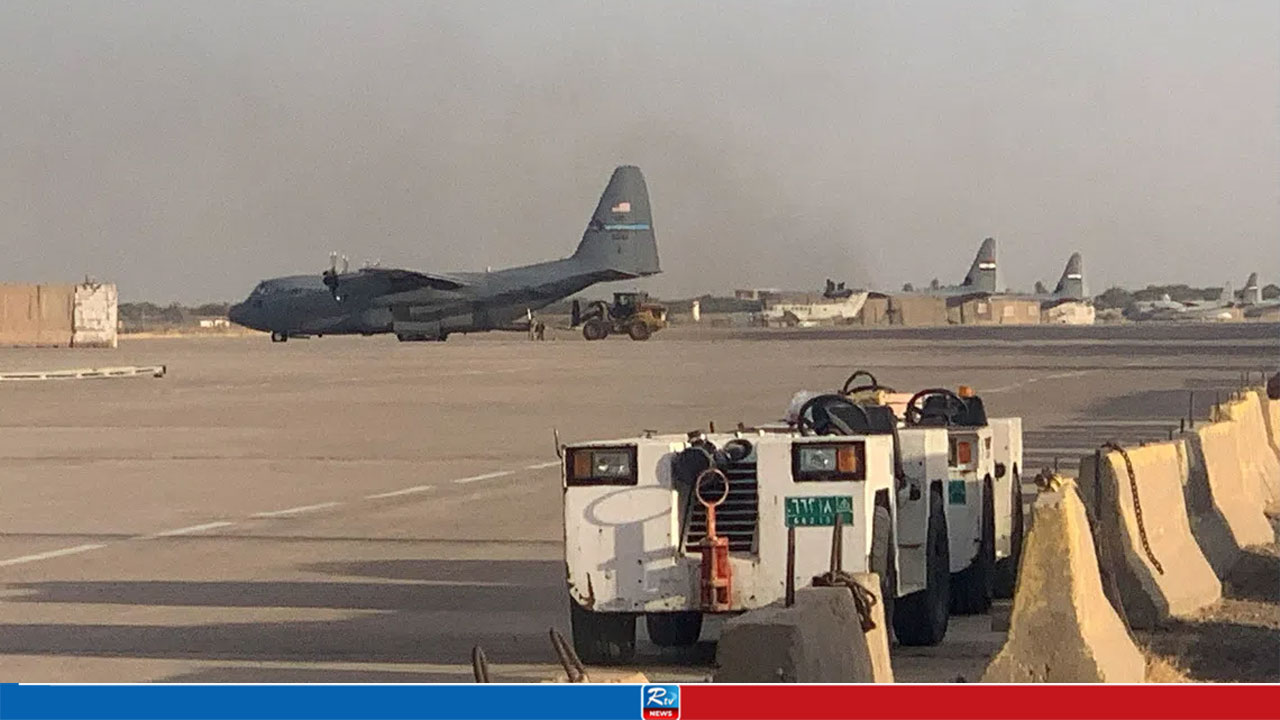
The Middle East is facing a dramatic escalation of violence on Tuesday, as Iran launched a series of coordinated missile and drone strikes against Israel, Saudi Arabia, Bahrain, and Kuwait.
The widespread attacks have triggered warning sirens across major regional business hubs, including Dubai and Tel Aviv, and caused significant disruptions to critical global energy infrastructure.
Saudi Arabia reported intercepting two drones over its eastern oil-rich region, while Kuwait’s National Guard confirmed the interception of six drones, signaling a major expansion of the conflict beyond the borders of Israel and Iran.
The military offensive has sent shockwaves through global financial markets, driving oil prices to spike as fears mount over the security of the Strait of Hormuz, a vital maritime chokepoint responsible for transporting roughly 20% of the world’s oil supply.
Brent crude prices reached as high as USA120 per barrel earlier today before stabilizing near USA90, marking a 24% increase since the onset of the conflict on February 28.
Reports indicate that tanker traffic through the strait has been effectively halted, and attacks on commercial vessels in the area have claimed the lives of at least seven sailors.
Leadership on both sides remains entrenched in their positions, with Iranian parliament speaker Mohammad Bagher Qalibaf stating that Tehran is not seeking a ceasefire and intends to punish its perceived aggressors.
Conversely, Israeli Prime Minister Benjamin Netanyahu has vowed to continue strikes against Iranian targets, suggesting that the ultimate resolution must come from within Iran itself.
US President Donald Trump has expressed optimism that the conflict will be short-term, though he issued a stern warning that the United States would respond with significant military force should Iran continue to block oil shipments through the Strait of Hormuz.
The humanitarian and political toll of the fighting continues to climb, with the total death count now reported at 1,230 in Iran, 397 in Lebanon, and 11 in Israel, in addition to seven US service members killed.
As airstrikes hit a wide range of targets including military, government, and civilian infrastructure, thousands of foreign workers have begun fleeing the region.
Amidst this instability, five members of Iran’s women’s national soccer team, currently in Australia, have been granted asylum after refusing to sing their national anthem, highlighting the internal pressures within Iran.
With pro-Iranian militias in Iraq targeting US bases and ongoing Israeli strikes against Hezbollah in Lebanon, the region remains in a state of extreme volatility, and international observers are closely monitoring the situation for any signs of diplomatic de-escalation.
Source: AP







 Live TV
 RTV Plus