Chinese President Xi Jinping has unveiled a four-point proposal aimed at fostering peace in the Middle East.
The announcement comes amid a potential second round of talks between the United States and Iran, following the collapse of initial negotiations in Pakistan and ahead of an impending ceasefire deadline.
According to the state news agency Xinhua, President Xi presented the plan on Tuesday (April 14) during a meeting with the Crown Prince of Abu Dhabi, Sheikh Khaled bin Mohamed bin Zayed Al Nahyan.
The Four-Point Plan
The proposed framework outlines four key pillars for regional stability:
Peaceful Coexistence: Establishing a sustainable security architecture for the Middle East and Gulf regions while encouraging nations to improve bilateral relations.
National Sovereignty: Emphasizing that national sovereignty and territorial integrity must remain inviolable and be respected by all parties.
UN-Based Order: Upholding an international system centered on the United Nations to prevent the world from descending into chaos.
Integrated Development and Security: Coordinating security efforts with economic development, with China offering its modernization expertise to bolster regional progress.
China Condemns U.S. Blockade of Iranian Ports
In a sharp escalation of rhetoric, China accused the United States of "dangerous and irresponsible" behavior following the blockade of Iranian ports. President Xi reaffirmed Beijing’s commitment to playing a "constructive role" in establishing Middle East peace.
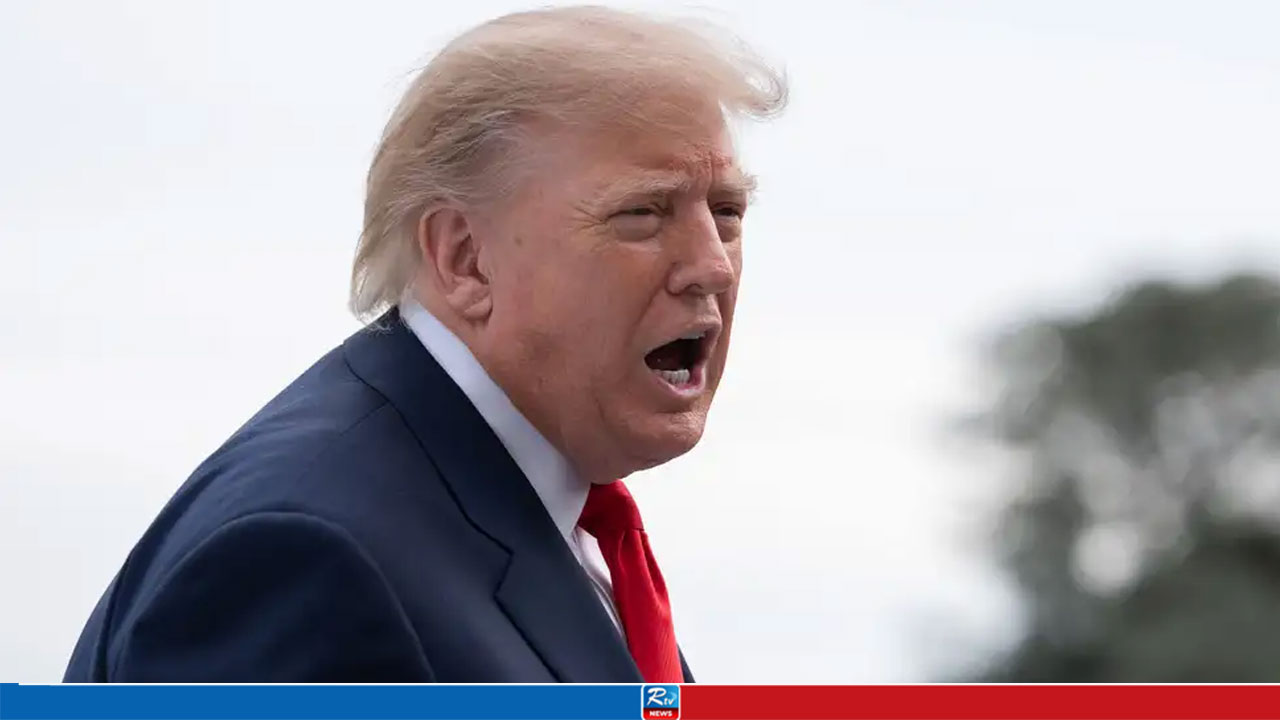
Tensions spiked after U.S. President Donald Trump threatened to sink vessels entering or leaving Iranian coastal areas in the Persian Gulf, following the failure of Washington-Tehran talks on April 11.
In response, Iran has effectively closed the strategic Strait of Hormuz, permitting only vessels from allied nations, including China, to pass.
Trump’s Tariff Threats and Diplomatic Deadlock
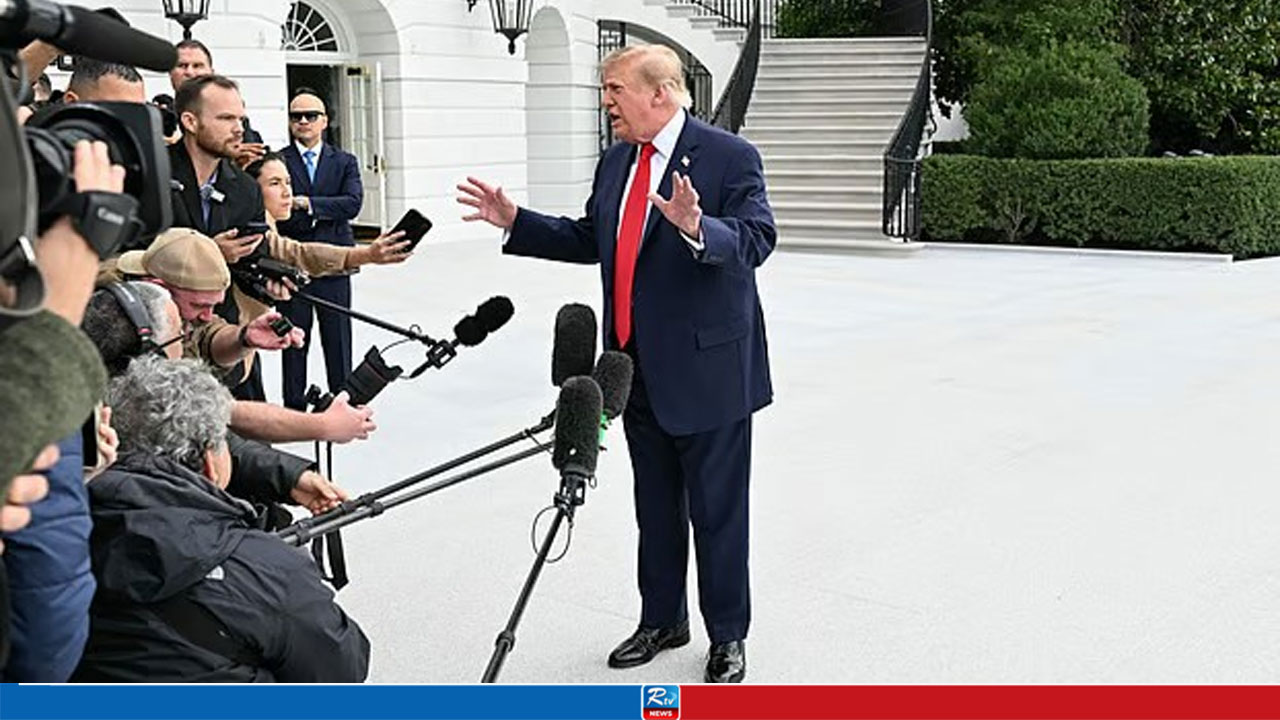
President Trump has intensified pressure on Beijing, threatening to impose a 50% tariff on Chinese goods if China provides military assistance to Tehran.
Chinese Foreign Ministry spokesperson Guo Jiakun dismissed these reports as "entirely fabricated."
Meanwhile, mediators are scrambling to organize a second round of peace talks by the end of the week. These diplomatic efforts follow the U.S.-Israeli operation in Iran on February 28, which has since kept the region on a knife-edge.
Source: NDTV



 Live TV
 RTV Plus