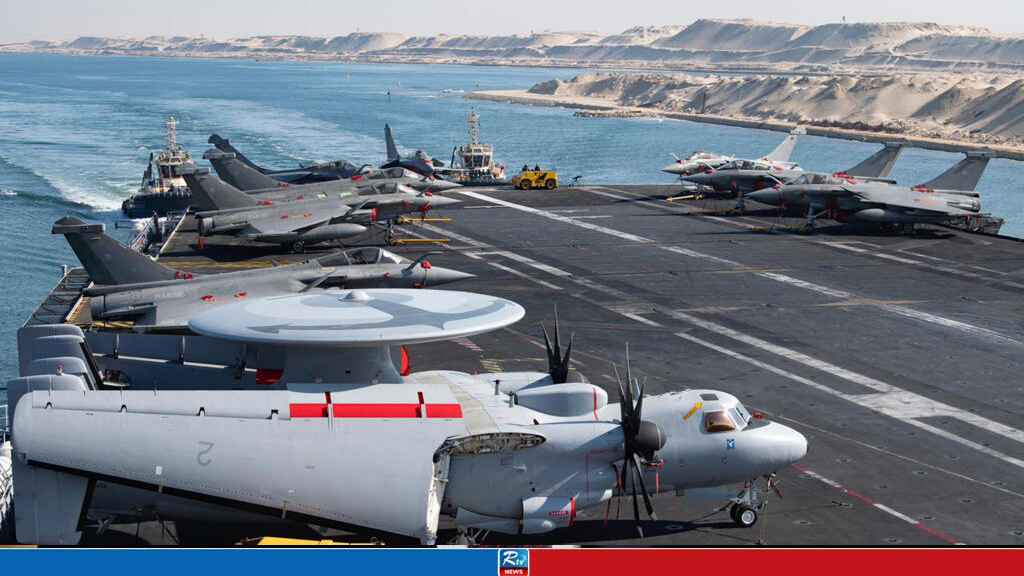
Global capitals and financial markets remain in a state of high anticipation as Tehran prepares to respond to Washington’s latest proposed deal aimed at ending the war in the Middle East and reopening the Strait of Hormuz.
Following positive signals from US President Donald Trump and Iran’s confirmation that it would pass its position to mediator Pakistan, Asian stocks soared while oil prices fell significantly.
Any potential agreement to prolong the ceasefire between the United States and Iran is also seen as a vital step toward lowering tensions in Lebanon, where a fragile truce with Israel was strained after a strike on southern Beirut killed a Hezbollah commander.
The conflict, launched by the United States and Israel in late February, has seen Iran respond with regional attacks and a strategic chokehold on the Strait of Hormuz, a critical gateway for global oil, gas, and trade.
President Trump, who briefly launched and then withdrew a naval operation to force open the strait this week, cited progress in negotiations mediated by Pakistan and supported by Gulf Arab allies.
On Wednesday, Trump told reporters, "We've had very good talks over the last 24 hours, and it's very possible that we'll make a deal," though he added his habitual threat to resume bombing if Tehran refuses to meet USdemands.
Iran's foreign ministry spokesman, Esmaeil Baqaei, confirmed the USproposal remained "under review" and stated Tehran would communicate its position to Pakistan "after finalising its views."
Reports have highlighted the complexities behind the diplomatic maneuvering.
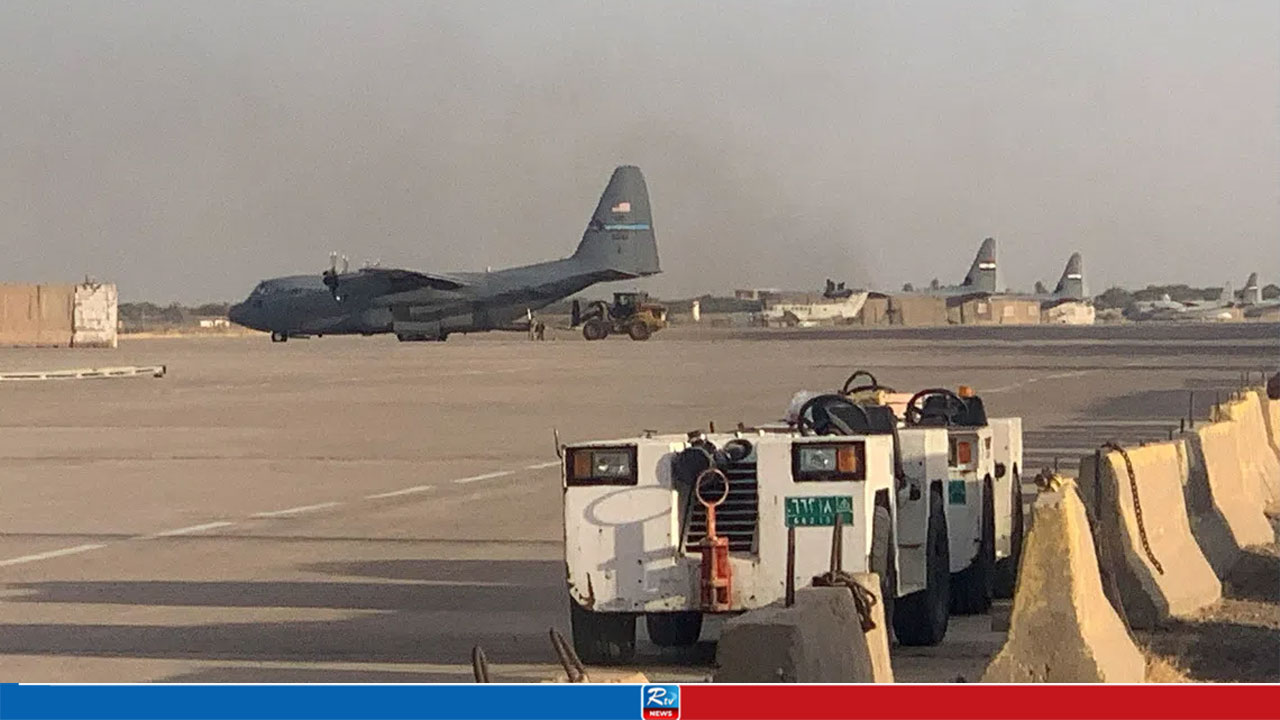
NBC News reported that Trump’s recent U-turn on naval operations occurred after Saudi Arabia refused to allow US forces to use its airspace and bases, while Axios cited officials claiming both sides are close to signing a one-page memorandum of understanding to end the war and establish a framework for nuclear negotiations.
This optimism triggered a two percent drop in oil prices on Thursday, with both Brent and West Texas Intermediate falling below the USD 100 mark.
This follows concerns over the Strait of Hormuz, which surged Monday after the South Korean cargo ship HMM Namu caught fire.
Trump alleged Iran had "taken some shots" at the vessel, an accusation Tehran’s embassy in Seoul "firmly rejects and categorically denies."
While markets react with hope, internal sentiments in Iran remain mixed. One resident, a 43-year-old translator named Azadeh, expressed deep skepticism to AFP, stating that the prospect of a deal with the current government was "terrifying."
She remarked, "We've gone through so much hardship and suffering, and no achievements for the people? I honestly just hope they finish this regime."
Meanwhile, regional violence continues to flare. Israel struck Beirut’s southern suburbs on Wednesday, killing a senior Hezbollah commander from the elite Radwan force.
Lebanon’s health ministry reported at least 11 others killed in strikes across the south and east, while the Israeli military confirmed Thursday that an "explosive drone impact" had wounded four of its soldiers the previous day.
Source: AFP






 Live TV
 RTV Plus