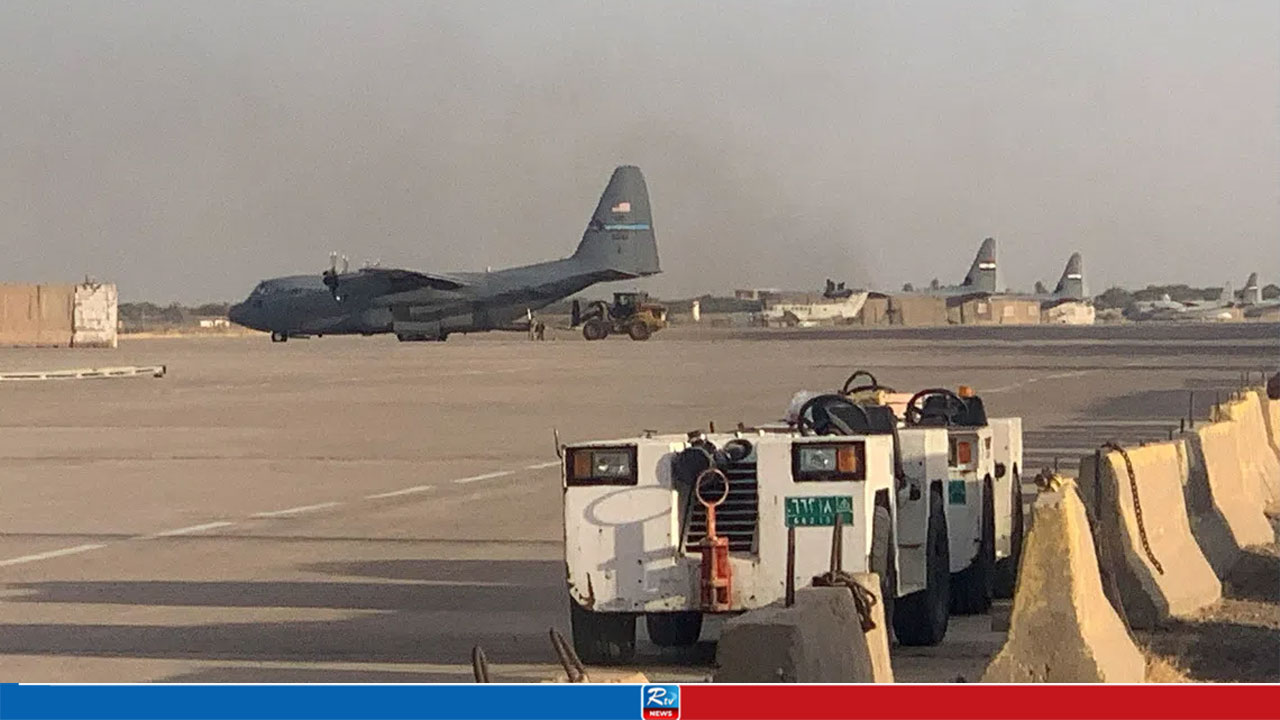
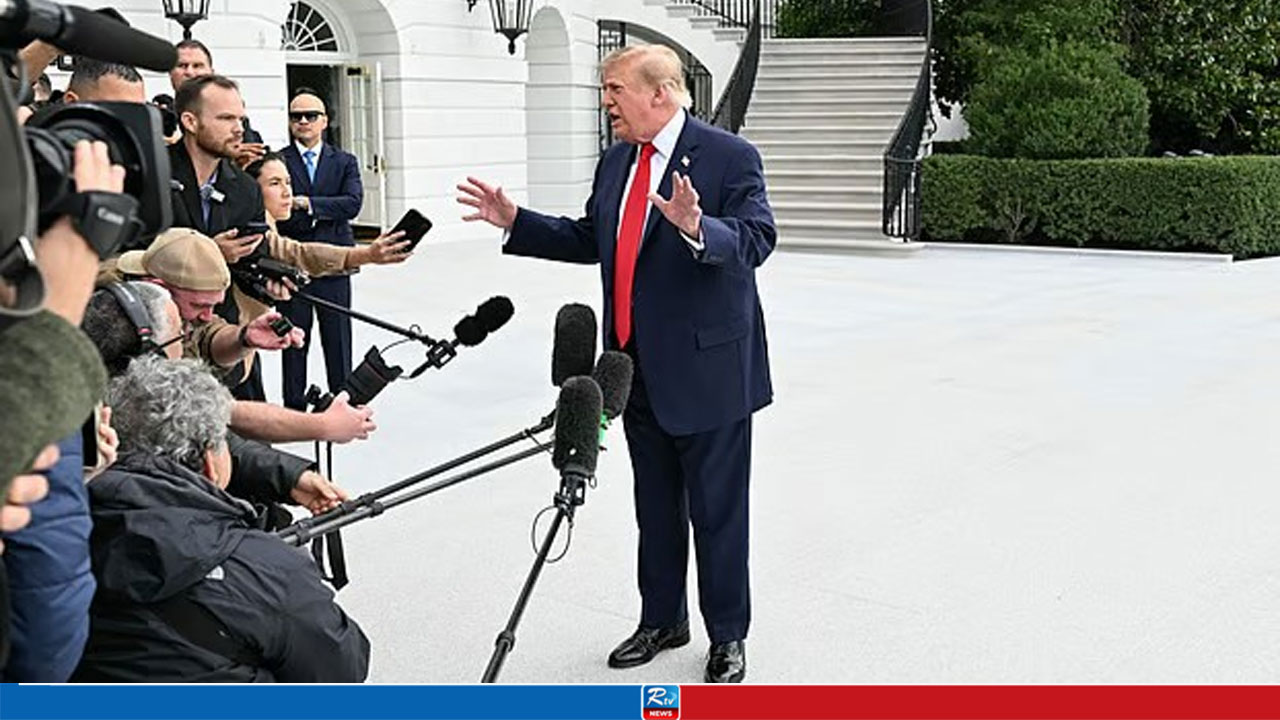
A critical new round of negotiations aimed at addressing the Middle East conflict is set to commence this Sunday in Switzerland, following a tense period marked by renewed violence and diplomatic friction.
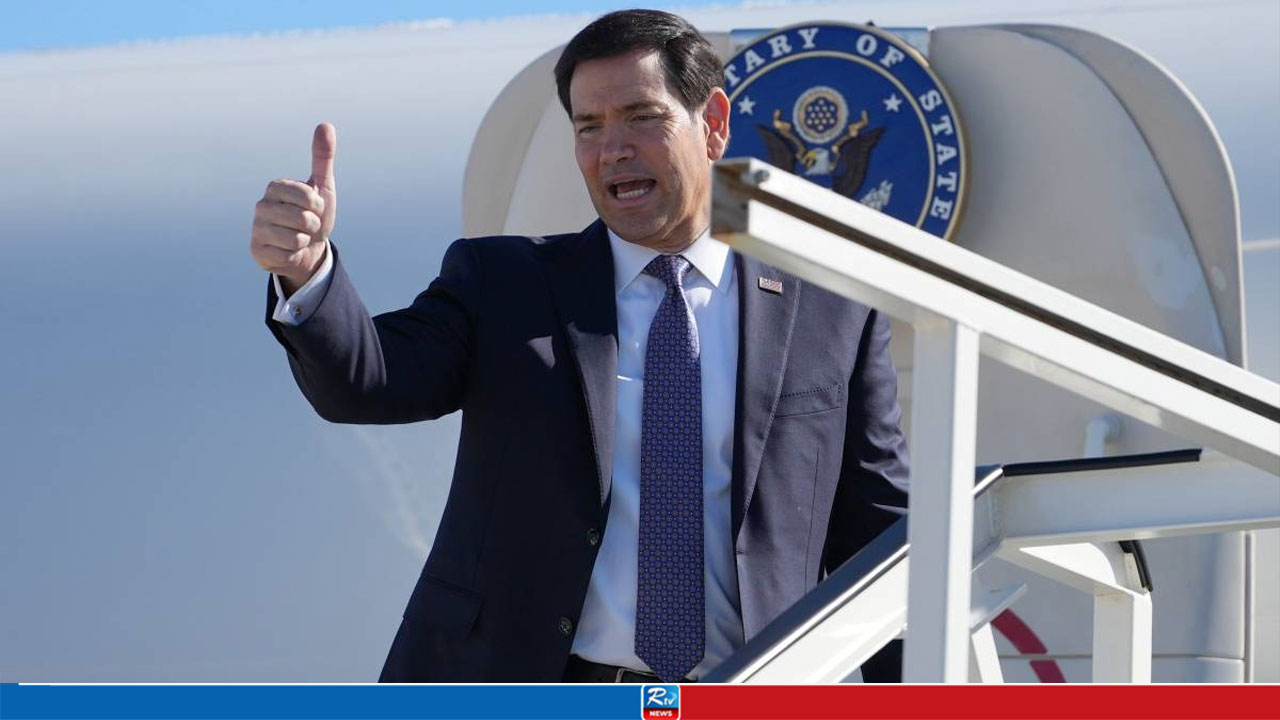
US Vice President JD Vance and a high-level Iranian delegation, led by parliamentary speaker Mohammad Bagher Ghalibaf and Foreign Minister Abbas Araghchi, have arrived in the host city to engage in discussions centered on nuclear concerns and the fragile ceasefire in Lebanon.
The talks were originally scheduled for Friday but were delayed after Israel launched deadly strikes in Lebanon in retaliation for the deaths of four of its soldiers.
While Washington announced a renewed ceasefire late Friday—a key condition of a preliminary agreement between US President Donald Trump and Iranian President Masoud Pezeshkian—the situation on the ground remains volatile.
Both Israel and Hezbollah have accused one another of violating the truce, with fighting persisting in southern Lebanon.
Tensions escalated further on Saturday when Iran’s central military command announced the closure of the Strait of Hormuz to vessel traffic, citing a “breach of contract” and “the Zionist regime’s continuous and relentless violation of the ceasefire in southern Lebanon.”
The strait, a vital artery for global energy markets, had previously been blockaded by Iran for much of the war.
In response, US Central Command stated that safe passage through the waterway “remained intact” and that American forces were “present and vigilant.”
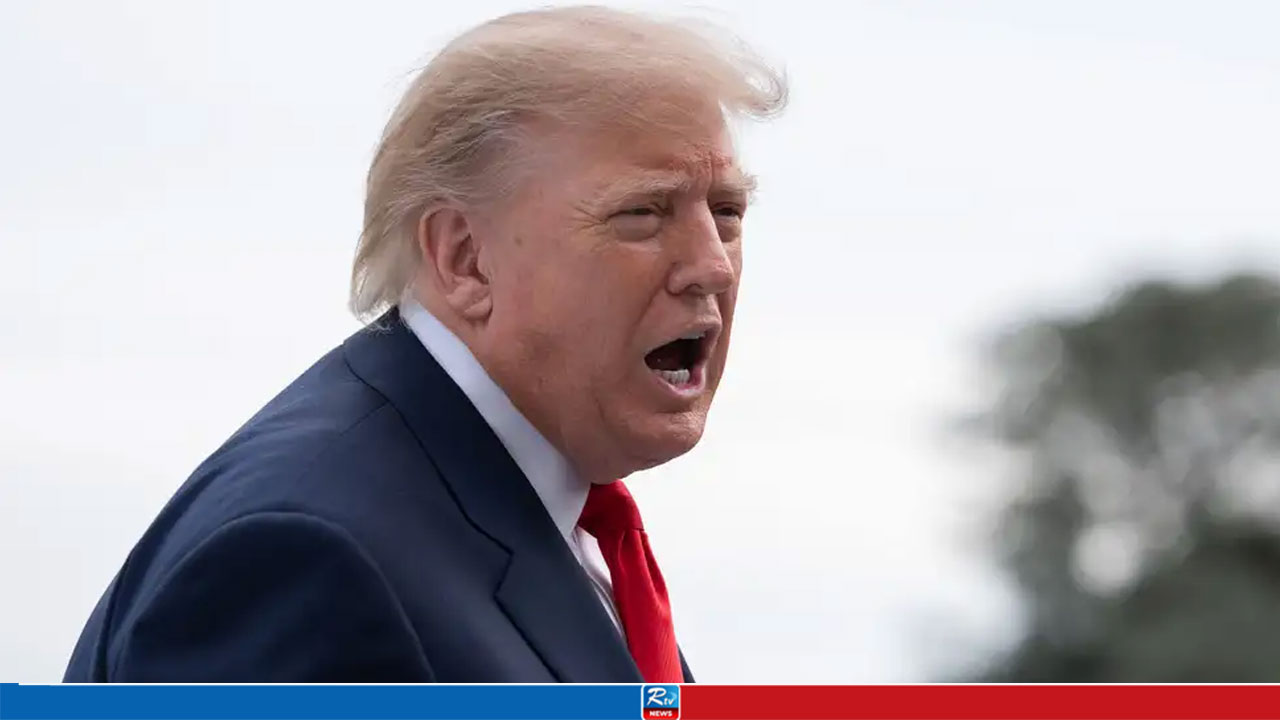
President Trump took to Truth Social to warn that Washington could impose its own tolls on the strait, writing, “There would be no tolls unless they are imposed by and for the United States of America.”
Despite these challenges, Vice President Vance expressed optimism before his departure, telling reporters, “I hope to make progress on the nuclear issue, make progress on the Lebanon ceasefire issue. Those are the two big things that I think we're going to be focused on.”
US negotiators Jared Kushner and Steve Witkoff were already in Switzerland handling technical elements of the talks, reporting that “things are going well.”
Furthermore, Pakistani Prime Minister Shehbaz Sharif and army chief Asim Munir have arrived in Switzerland to participate in the high-level discussions, joined by mediators from Qatar.
The situation in Lebanon remains dire.
While an Israeli army official stated that troops were currently “not conducting proactive strikes” and were operating defensively, Hezbollah lawmaker Hassan Fadlallah insisted that his group retained “the full right to confront this enemy when it attacks us.”
Lebanese state media reported Israeli air raids on approximately 20 locations, with the country’s health ministry noting that the overall death toll from the conflict has now surpassed 4,000.
While Iran's Foreign Ministry spokesman Esmaeil Baqaei emphasized that the delegation would “demand implementation of the other party's commitments” under the deal, warning that “otherwise, the entire understanding will be in trouble,” civilians remain trapped in a cycle of uncertainty.
Fadi Zayat, a 53-year-old who fled the town of Tayr Debba, captured the prevailing sentiment, stating, “We returned to the village a few days ago, but our bags are ready to flee again.”
The upcoming discussions are intended to open a two-month negotiation period to resolve issues left pending by the initial accord, with the international community closely watching whether the parties can stabilize the region.
Source: AP





 Live TV
 RTV Plus