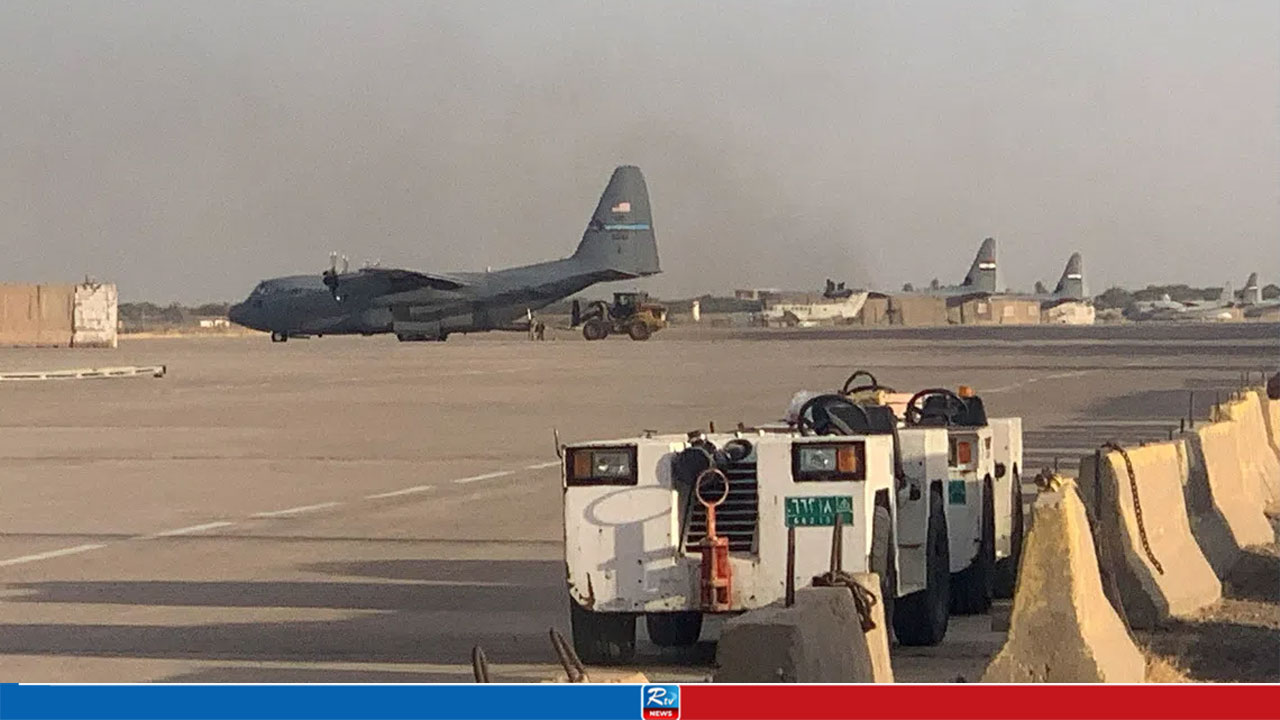
Tensions in the Middle East have reached a breaking point. For the seventh consecutive night, the United States conducted airstrikes on various Iranian facilities on Friday, July 17.
In retaliation, Iran has targeted U.S. military installations across the Gulf region, according to reports from Reuters and Anadolu Agency.
The ongoing maritime conflict has effectively halted energy shipments from the Gulf.
Following a U.S. Marine operation near the Strait of Hormuz, Iranian state media—citing the Islamic Revolutionary Guard Corps (IRGC)—reported that two oil tankers exploded and caught fire while traversing a mine-infested area south of the Strait.
Citing the Revolutionary Guard, Iranian state television declared that unless U.S. aggression ceases, no chemical fertilizer, nor even a single drop of oil or gas, will be permitted to be exported from the region.
The IRGC further claimed that four "intruding" vessels attempting to navigate the strait in the last few hours were intercepted and stopped using missiles and drones.
Since the collapse of a ceasefire agreement last week, Washington and Tehran have been testing each other’s limits, intensifying fears of an all-out war.
The conflict has caused the price of Brent crude oil to surge by 3% in international markets.
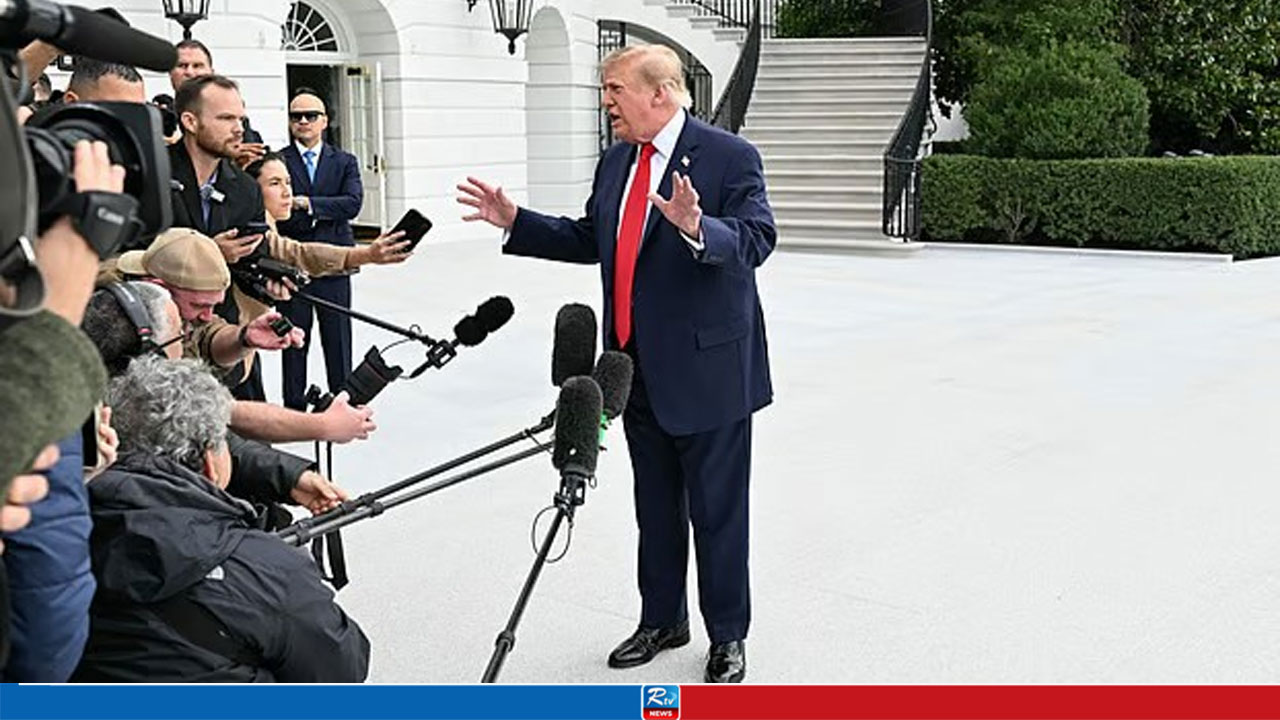
With oil prices rising for the third consecutive week, President Donald Trump is facing mounting political pressure ahead of the U.S. Congressional elections in November.
Meanwhile, Iranian media reported that the United States launched strikes on the Hormozgan province along the coast of the Strait of Hormuz in the early hours of Saturday, July 18.
According to state television, these attacks resulted in three deaths and eight injuries, in addition to damaging two bridges and a tunnel.
Mohsen Rezaei, an advisor to Iran’s Supreme Leader and a former top commander of the Revolutionary Guard, issued a warning on Friday, stating that if the United States continues its strikes for a few more days, Iran will launch a full-scale offensive.




 Live TV
 RTV Plus