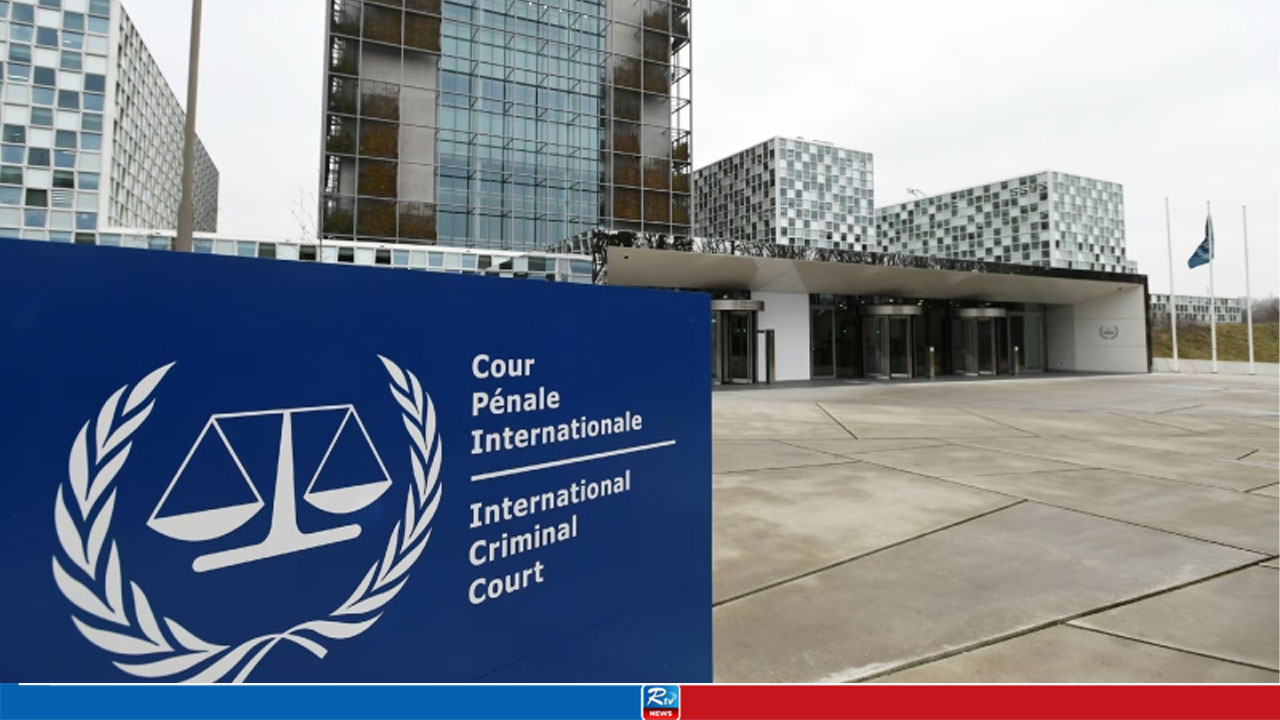
Just hours after former International Criminal Court (ICC) judge Navi Pillay was awarded the Nobel Peace Prize, the United States imposed fresh sanctions on the tribunal on Friday (October 9).
According to Reuters, the move sets up a direct diplomatic confrontation between Washington and its European allies.
Strongly condemning the action, the ICC called it
"an attack on the rule of law and the foundational pillars of the international legal system."
The court urged its 125 member states to take necessary steps to defend the institution.
In a statement, the court warned, "The ICC cannot stand alone. Its future now rests in the hands of its founding states as well. This is not merely about protecting a single institution, but about safeguarding an international order built on the rule of law."
In a statement published by Reuters, U.S. Secretary of State Marco Rubio said, "President Trump will never allow the International Criminal Court to prosecute Americans. That is why the United States is imposing sanctions on the ICC today. We will prohibit all transactions with this authoritarian court, cut off their assets and resources, and cripple their operational capabilities."
The U.S. Department of the Treasury announced the sanctions with a six-month initial waiver and specific exceptions. This temporary exemption will apply to telecommunications, software services, pension payments, and financial transactions related to detainees.
Rubio explained that the structure of the sanctions was designed to give the ICC and its member states an opportunity to address U.S. concerns.
However, he warned that failure to comply would lead to even stricter enforcement.
Washington has long been critical of the ICC, particularly following its issuance of arrest warrants for top officials, including Israeli Prime Minister Benjamin Netanyahu, as well as past investigations into the actions of U.S. troops in Afghanistan.
The ICC, however, has noted that the Afghanistan investigation is currently deprioritized on its docket.
Speaking to Reuters, ICC Deputy Prosecutor Nazhat Shameem Khan said, "The intent of these sanctions is to disrupt the rule of law at the international level and undermine the work of an independent judicial institution. All our proceedings, investigations, and trials will naturally continue as normal."
Source: Reuters







 Live TV
 RTV Plus

