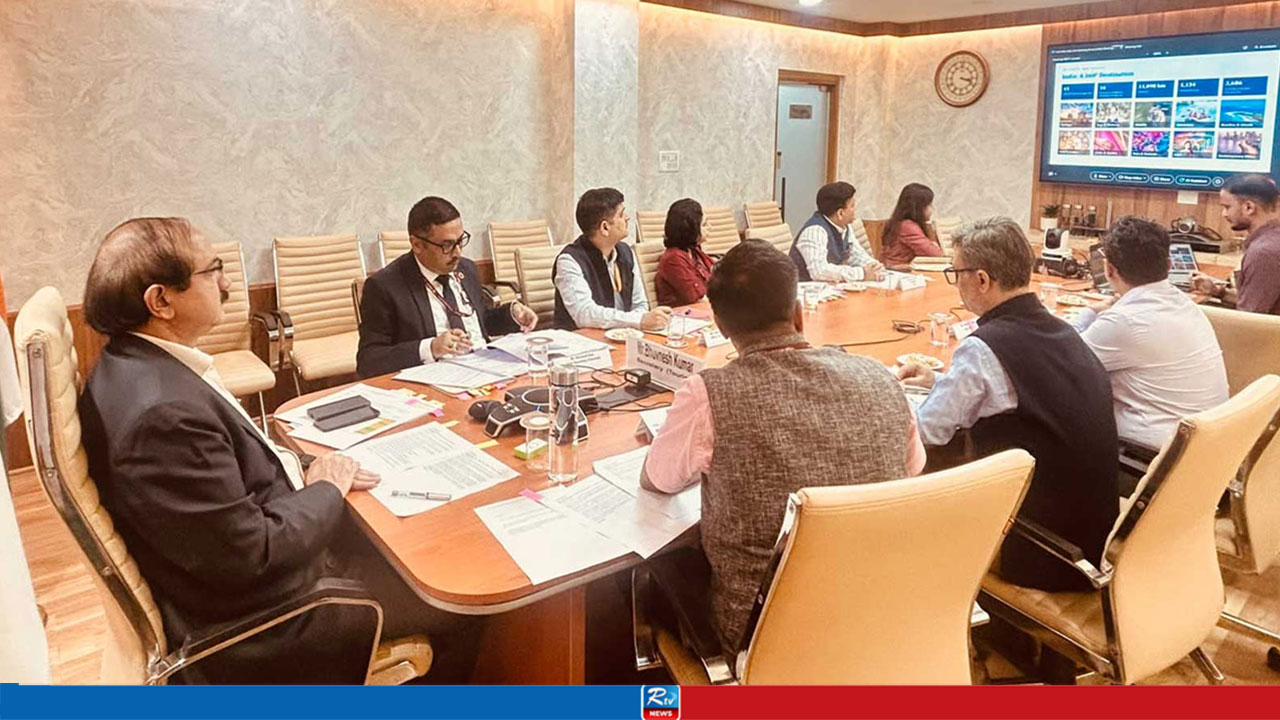
The Italian government plans to recruit around 500,000 foreign workers over three years from 2026 to 2028, creating employment opportunities for Bangladeshis across agriculture, tourism, transport, industry, and care services.
However, applicants must first secure sponsorship through a legitimate Italian employer to obtain a work permit.
Under Italy's "Flows Decree" (Decreto Flussi), a large number of foreign workers will be hired from various countries over the next three years. As part of the plan, Rome has set a quota of 165,850 foreign workers for 2027.
Of the allocated quota, 76,200 will be recruited as non-seasonal workers, 89,000 as seasonal workers, and 650 as self-employed workers.
Online pre-filling of application details for the 2027 recruitment cycle began on October 23, 2026, and will continue until December 7, 2026. At this stage, only Italian employers—not foreign workers—can submit applications.
Sectors and application schedule
According to the official timetable, applications for foreign worker recruitment in 2027 will be accepted in phases across specific sectors:
How Bangladeshis can secure opportunities
Under Italy's Flows Decree, foreign nationals cannot apply directly for a work permit. Instead, an authorized employer based in Italy must initiate the recruitment process.
The employer submits worker and job details through the Italian Ministry of the Interior's online portal to apply for a work authorization document known as Nulla Osta.
Once the authorization is approved, the prospective worker can apply for a work visa from their home country through the Italian embassy or designated visa processing channels.
In short, Bangladeshis aspiring to work in Italy must first find a legitimate employer and secure a job offer, after which the employer handles the work permit process.
Skills and Italian language boost prospects
Migration experts advise that technical skills and proficiency in the Italian language play a vital role in securing jobs in Italy, particularly by undertaking targeted training aligned with agriculture, tourism, transport, industry, and caregiving.
Training facilities are also available locally. At the Bangladesh-Korea Technical Training Centre (BKTTC) in Dhaka, Italian language and technical skill courses are being offered across several trades with funding from the International Labour Organization (ILO).
While Italy's plan to hire nearly half a million foreign workers opens new avenues for Bangladeshis, visas are not guaranteed for everyone. Final entry depends on quota limits, valid employer applications, work permit approvals, and meeting standard visa requirements.
Aspiring migrants are therefore advised to avoid middlemen or brokers and verify legitimate employers, job offers, and official procedures before taking any steps.




 Live TV
 RTV Plus