Dhaka 26 September, 2026

"Don't Make Your Bed" Day Today

Rtv News

Publish : 21 Dec 2024, 04:46 PM
Photo: Collected

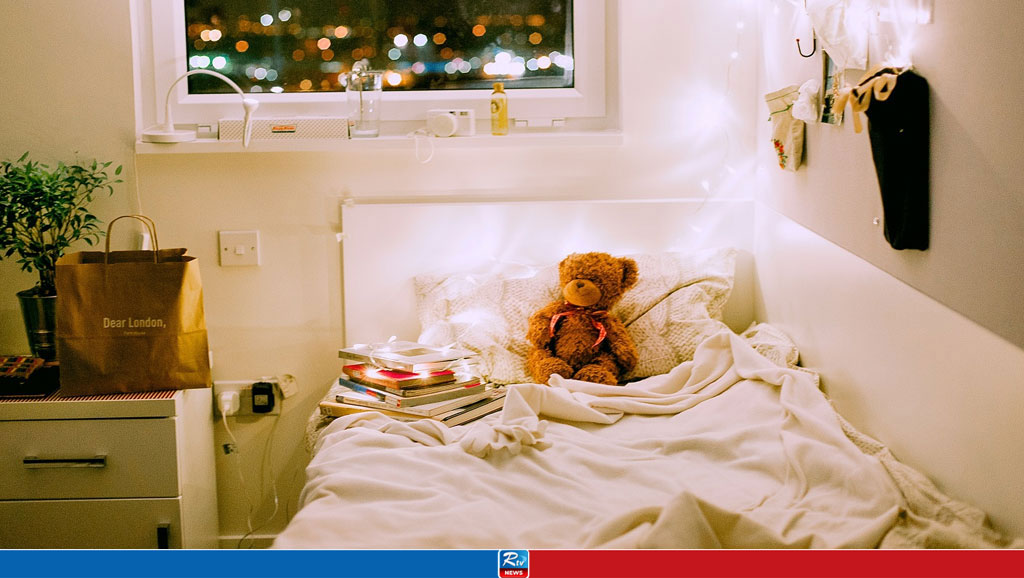
Who doesn't like a tidy room? After a busy day, it feels uncomfortable to return to a messy home. Waking up in a disorganized room in the morning can ruin your mood. So, it's important to keep your home organized. However, some people just don't feel like getting out of bed. Even after waking up, they stay in bed for a long time. They have no interest in organizing the bed.

According to some, organizing the bed in the morning has a positive effect on the mind. On the other hand, some people just don't feel like getting out of bed. Even after waking up, they stay in bed for half an hour, having no desire to make the bed organized. What's the point of tidying up the bed? After all, they'll be sleeping in the same bed again at night.

Today has been declared as the day to not make your bed, thinking of such people. You'll be surprised to know that this day was initiated by a fifth-grade student. A student named Shannon Barba wrote a letter directly to the US Congress with her request.

In the letter, Shannon wrote, "Sometimes, I feel tired of making my bed. It would be nice if there was a day when no one had to worry about making their bed. I would be grateful if you could pass a bill regarding this."

Lawmakers could not refuse this child's request.


Follow google news channel to get RTV news Google News
10 Morning Habits Parents Should Follow to Set a Good Example for Kids
A healthy morning routine sets the tone for the entire day, and for parents, it's an opportunity to lead by example. Kids often mimic their parent's behaviour, making the morning hours a perfect time to instil positive habits. Here are 10-morning habits every parent should adopt to inspire their children: 1. Wake Up Early Starting the day early gives parents time to prepare and approach the morning calmly. This teaches kids the value of being proactive and organized. 2. Make the Bed A small yet impactful habit, making the bed demonstrates discipline and creates a sense of accomplishment right at the start. 3. Practice Gratitude Taking a moment to reflect on what you’re grateful for sets a positive tone for the day. Share this practice with kids to cultivate a grateful mindset. 4. Eat a Healthy Breakfast Together Breakfast is the most important meal of the day. Preparing and enjoying a nutritious breakfast together teaches kids the importance of balanced nutrition. 5. Avoid Screen Time Model mindful habits by limiting phone or TV use in the morning. Encourage conversation, reading, or other productive activities. 6. Exercise or Stretch Incorporate light exercises or stretches into your morning routine. Active parents inspire kids to stay physically fit and understand the importance of movement. 7. Plan the Day Share your daily schedule with your kids and encourage them to do the same. This habit fosters time management and organizational skills. 8. Practice Self-Care Show your children that taking time for personal hygiene and grooming is essential for self-respect and confidence. 9. Maintain a Positive Attitude Even on busy mornings, staying calm and cheerful helps create a stress-free environment that kids will learn to emulate. 10. Read or Learn Something New Spend a few minutes reading or engaging in a learning activity. When kids see their parents valuing knowledge, they’re likely to develop a similar mindset.
10 Morning Habits Parents Should Follow to Set a Good Example for Kids
Merry Christmas / History, Traditions, Significance and Celebrations
Christmas, celebrated annually on December 25, is one of the most beloved holidays worldwide. It marks the birth of Jesus Christ, a central figure in Christianity, and is a time of joy, love, and togetherness. From its historical roots to modern-day traditions, Christmas has evolved into a universal celebration that transcends religious boundaries. Why December 25 The choice of December 25 to celebrate the birth of Jesus has both religious and historical significance. Although the Bible does not specify the exact date of Christ's birth, early Christians chose this date to align with existing pagan festivals like Saturnalia and Sol Invictus. These celebrations honoured the winter solstice, symbolising the return of light and hope—an apt metaphor for the birth of Christ. In 336 AD, the Roman Emperor Constantine officially recognised December 25 as Christmas Day, cementing its place in the Christian calendar. History The history of Christmas dates back to early Christianity, celebrating the birth of Jesus Christ on December 25. This date was chosen to align with existing pagan festivals like Saturnalia and Yule, marking the winter solstice. Over time, traditions such as gift-giving, feasts, and decorating trees merged with Christian beliefs. The holiday gained prominence in the Middle Ages and evolved further in modern times, influenced by figures like Saint Nicholas, who inspired Santa Claus. Today, Christmas is celebrated globally, blending religious observances with cultural festivities. Traditions Decorating the Christmas Tree: A symbol of life and hope, this tradition traces back to Germany Exchanging Gifts: Reflecting the spirit of giving and inspired by the Magi Santa Claus: Based on St. Nicholas, a 4th-century saint known for his generosity Feasting: Families gather to share festive meals, from roast dinners to sweet treats Religious Services: Christians attend Midnight Mass or other church services to honour the Nativity   Significance of Christmas Christmas holds deep significance as it commemorates the birth of Jesus Christ, a central figure in Christianity. The festival symbolises faith, love, and hope, inspiring acts of kindness and generosity. It also emphasises unity, bringing families and communities together through traditions like sharing meals, exchanging gifts, and attending religious services. Beyond its religious importance, Christmas has become a global cultural phenomenon, promoting universal themes of peace and goodwill. The holiday's traditions and values continue to resonate across diverse cultures and beliefs. Celebrations Christmas celebrated annually on December 25th, marks the birth of Jesus Christ and has become a cherished cultural and religious holiday worldwide. In 2024, the festivities fall on Wednesday, bringing families and communities together to revel in the spirit of generosity, kindness and togetherness. Modern Day Christmas Today, Christmas has grown into a global celebration that transcends religious boundaries. From dazzling lights and festive markets to charitable acts and family gatherings, the holiday continues to inspire joy and goodwill. Christmas on December 25 holds deep historical, cultural, and spiritual significance. Whether you celebrate for religious reasons or simply embrace the festive spirit, the holiday is a timeless reminder of the power of love, hope, and togetherness. As the season of joy and love unfolds, Christmas 2024 promises a heartwarming celebration, uniting faith, culture, and the enduring message of hope and peace.
History, Traditions, Significance and Celebrations
Experts Recommendation to Avoid Breathing Problems in Winter
Seasonal changes can cause various health problems for both children and adults. Cough, fever, and colds are common in households during this time. Winter also brings respiratory issues. According to experts, the cold air during winter is a significant factor behind these problems. Experts explain that during seasonal transitions, especially the onset of winter, many individuals face specific challenges. The air in winter is very dry and cold, which can strain the body. They note that our airways have a thin protective lining, which the cold air dries out. When cold air hits the respiratory tract, it increases mucus production and causes the airways to swell. This condition exacerbates problems for patients with COPD, asthma, and young children. COPD patients experience heightened difficulties during winter. Experts advise avoiding exposure to cold winds during winter. Cover your ears, throat, and nose before stepping outdoors. If necessary, use a scarf to cover your nose. When the cold, dry air passes through the scarf before reaching the nose, it reduces the intensity of coldness, alleviating throat irritation
Experts Recommendation to Avoid Breathing Problems in Winter
Old Dhaka Tehari Recipe
Tehari is a delicious dish loved by many. This flavorful combination of meat and rice is very popular across Bangladesh. While Tehari can be prepared in various ways, Old Dhaka's Tehari has a unique charm. Its distinctive taste comes from the use of special spices and cooking techniques. Known for its royal flavors, Old Dhaka's dishes hold a special place in culinary traditions. Among these, Tehari is a standout dish. Small pieces of meat are cooked with aromatic rice to create this delicacy. Here's the recipe to make this delicious Tehari at home. Ingredients For the meat: Small pieces of meat (beef or mutton): 2 kg Black pepper powder: 2 tsp (to taste) Cardamom: 8-10 pods Cinnamon: 4 sticks Nutmeg powder: 1 tsp Mace powder: 1 tsp Mustard oil: 1 cup Chopped onion: 1.5 cups Ginger paste: 2 tbsp Garlic paste: 3 tbsp Sour yogurt: 1 cup Green chilies: 10-15 Whole cumin: 1 tsp (optional)   For the rice: Polao rice: 1 kg Milk: 4 cups Water: 4.5 cups Bay leaves: 4-5 Cinnamon: 2 sticks Black pepper: 5-6 Salt: to taste Method Preparing the meat: Mix sour yogurt, ginger paste, garlic paste, black pepper powder, salt, nutmeg powder, and mace powder with the meat. Marinate for 1 hour. Heat mustard oil in a pot, add whole cumin, cardamom, and cinnamon for tempering. Saute until the onions turn golden brown, then add the marinated meat. Cook for a while and then lower the heat, covering the pot with a lid. Add a little water if necessary. Once the meat is tender and releases oil, remove it from the heat and keep covered. Cooking the rice: Wash the rice and drain the water. In a pot, bring water, milk, cinnamon, bay leaves, black pepper, and salt to a boil. Once the water starts boiling, add the rice and cook on medium heat. When the rice is almost done, mix in the cooked meat thoroughly. Place the pot on a tawa (flat pan) for slow cooking. Add green chilies, cover, and let it steam for 5-10 minutes. That's it—Old Dhaka-style Tehari is ready to serve!
Old Dhaka Tehari Recipe
Cafe Offers Free Coffee to Dancing Customers
A coffee shop in Middleborough, Massachusetts, went viral overnight after it offered free coffee to customers who entered the shop while dancing. A video of customers participating in the promotion was posted on Coffee Milano Cafe's TikTok account on Monday and has since been viewed over 5 million times as of Wednesday afternoon. The viral post highlights how businesses are finding new customers by amping up their online presence, moving away from traditional marketing methods that are not delivering the same reach anymore. Owner Josh Rashid told CNN that business picked up after the video was posted, attracting curious new customers while delighting cafe regulars. "We're a small little town here in Middleborough, and it's fun. A couple of people were in the store when it happened, and they came in the next day and said, 'Oh my gosh, I saw your video on my For You page,'" he said. The owner explained his motivation behind the offer. He said the goal wasn't just to give away free coffee but to bring smiles to people's faces. The initiative has been so successful that the cafe's TikTok video showcasing it has garnered over 5 million views. Now, not only locals but also people from far and wide are flocking to this cafe. For those who want to enjoy free coffee, dancing might just be the best way! If five seconds of dancing can bring you happiness, why not enjoy a free coffee too? Perhaps you could entertain others with your moves and grab your favorite coffee for free!
Cafe Offers Free Coffee to Dancing Customers
Read More
Dollar Market Faces Instability Again
Nayanthara Apologises to Dhanush in Resurfaced Old Video
Nayanthara's Friendship With Dhanush in Turmoil, Actress Pens an Open Letter
Bangladesh Promises Over $173m to Adani to Ensure Continuous Power Supply