Dhaka 26 September, 2026

US to end mpox state of public health emergency

Deutsche Welle

Publish : 03 Dec 2022, 11:49 AM

The mpox public health emergency was declared over the summer, as the country struggled to contain the soaring number of infections. However, cases have receded since, with vaccination going strong.

The United States will likely end in late January the state of public health emergency declared last summer over the large number of mpox cases.

Over 29,000 people were infected in the outbreak. However, cases shrank in recent weeks, after an effective vaccination strategy.

The virus was initially known as monkeypox, but the WHO changed this name to mpox earlier this week, as it searched for a "neutral, non-discriminatory, and non-stigmatizing" name.

Mpox in the US is most common among men who had sex with infected men.

How did the US contain the virus?
The US struggle to contain the mpox outbreak started to recede in August, after the declaration of the public health emergency.

The White House tasked two top health officials, Robert Fenton and Dr. Demetre Daskalakis, with leading the response.

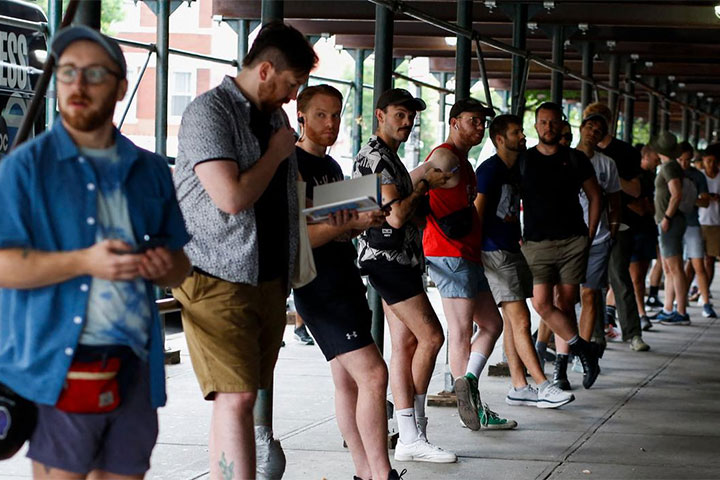
The new strategy centered around targeting local clinics and Pride events with the two-dose Jynneos vaccine.

The virus has killed 17 people to date in the US.

The Health and Human Services Secretary Xavier Becerra said on Friday that the department expected there will no need to renew the emergency declaration on January 31.

"But we won't take our foot off the gas, we will continue to monitor the case trends closely and encourage all at-risk individuals to get a free vaccine,'' Becerra said.

How serious is mpox?
In July, the WHO declared the worldwide mpox outbreak a Public Health Emergency of International Concern (PHEIC).

Typical mpox symptoms include a rash, headache, fever and chills, among others.

The WHO has urged gay and bisexual men to limit their number of sexual partners in order to prevent the spread of the disease.

Though endemic to Africa, mpox has spread to several parts of the world this year, claiming lives.

Follow google news channel to get RTV news Google News
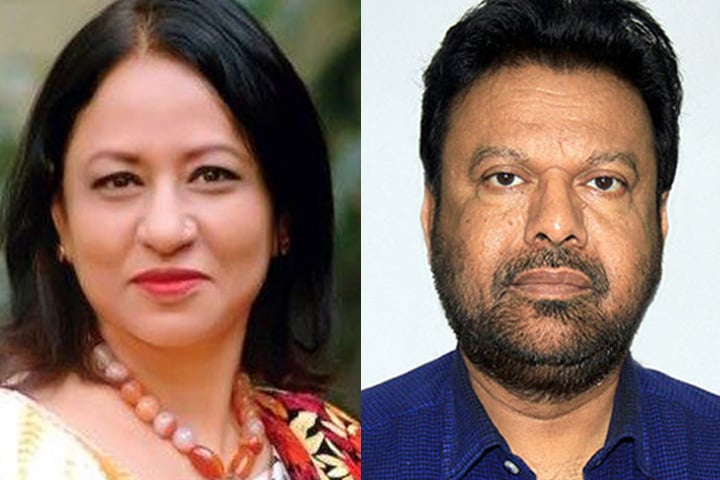
President Farida Yasmin, General Secretary Shyamal Dutta
National Press Club President Farida Yasmin, General Secretary Shyamal Dutta. Farida Yasmin became the president again in the press club elections and Shyamal Dutta was elected as the general secretary. Farida Yasmin got 567 votes and Shyamal Dutt got 496 votes.
President Farida Yasmin, General Secretary Shyamal Dutta
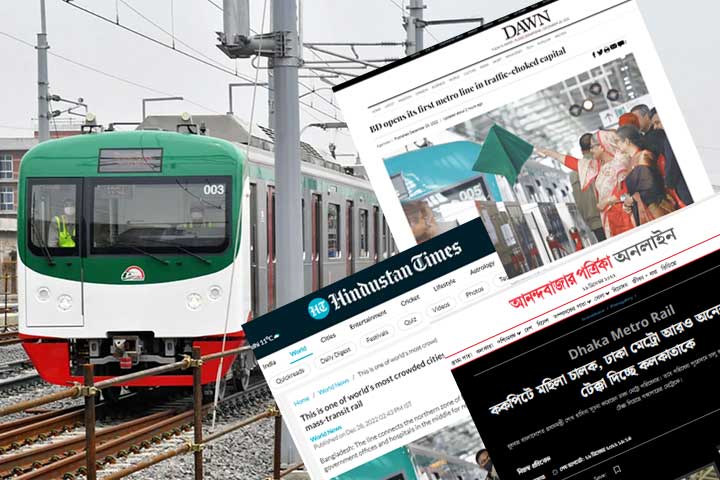
'Bangladesh's Metro Rail News' in the Eye of World Media
For the first time Bangladesh has set foot in the era of Metro Rail. On Wednesday, December 28, the Metro rail first phase was inaugurated by Prime Minister Sheikh Hasina. A new epoch of metropolitan started. The News of Metrorail inauguration in Dhaka has been circulated in various newspapers around world. The French AFP news agency titled, 'Bangladesh opens first metro line in traffic-choked capital Dhaka'. According to this report, Bangladesh's sprawling capital inaugurated its first ever metro rail line on Wednesday as authorities work to ease congestion that has throttled growth and inflamed tempers in the gridlocked metropolis. United States based media outlet Bloomberg titled, "One of World’s Most Crowded Cities Gets First Mass-Transit Rail." According to the Bloomberg report, "Bangladesh’s capital now has its first metro rail, a Japanese-funded project that aims to ease commuting in one of the most congested cities in the world.  A section of the over 20-kilometer (12.427 miles) urban rail project, known as Line 6, was inaugurated by Prime Minister Sheikh Hasina Wednesday. The line connects the northern zone of Dhaka to a hub of government offices and hospitals in the middle for now. Eventually it will cut through the city to the financial district of Motijheel in the south." The Saudi based media Al-Arabiya titled, "Bangladesh’s congested capital Dhaka gets first mass-transit rail." According to this report, "Bangladesh’s capital now has its first metro rail, a Japanese-funded project that aims to ease commuting in one of the most congested cities in the world. A section of the over 20-kilometer (12.427 miles) urban rail project, known as Line 6, was inaugurated by Prime Minister Sheikh Hasina on Wednesday. The line connects the northern zone of Dhaka to a hub of government offices and hospitals in the middle for now. Eventually it will cut through the city to the financial district of Motijheel in the south." The Indian based newspaper 'Times of India' also published AFP report on metro rail. Another Indian  media outlet NDTV also published Bloomberg report. One of the popular West Bengal Bengali daily 'Anandabazar Patrika' titled,  Dhaka metro rail  inauguration, 'Relief from traffic jams, Metro service started in Dhaka, start off by Sheikh Hasina.' According to the report, Metro rail service begun in Dhaka. Prime Minister Sheikh Hasina waved the green flag and the country's first-ever metro began to roll.  In addition to, Singapore's English daily "The Straits Times", India's "Business Standard", Hindustan Times, Pakistan's "Dawn", "UrduPoint", and many more media outlets around the world published Bangladesh's Metrorail inauguration News.
'Bangladesh's Metro Rail News' in the Eye of World Media
Elon Musk says he will step down as Twitter CEO
Previously, Musk posted a poll on Twitter asking the platform's users whether he should stay on as CEO. More than 57% of the millions who voted said he should step down from his role. Elon Musk said Tuesday he will step down as chief executive of Twitter as soon as a replacement is found. "I will resign as CEO as soon as I find someone foolish enough to take the job! After that, I will just run the software and servers teams," Musk wrote on Twitter. What else has Musk said about stepping down? Earlier this week, Musk received a clear indication from Twitter users that the majority of them would like to see him step down from the job after weeks of controversy surrounding the social media platform. Around 57.5% of the 17.5 million people who took part in a poll he posted on Twitter with the question, "Should I step down as head of Twitter?" answered in the affirmative. Plumbing to new depths After months of lawsuits and the near miss of a full-blown trial, Musk finally took control of Twitter at the end of October. Just before the $44 billion (€41.45 billion) acquisition was finalized, Musk entered Twitter headquarters with a sink in his hands — tweeting the picture with the words, "Let that sink in." The ensuing two months have seen mass layoffs, rows over blue check marks, Donald Trump's account restored, several journalists banned from the platform, the prohibition of promoting other social media outlets and Twitter hemorrhaging millions of dollars per day. There have also been calls from Wall Street for Musk to step down from Twitter, which some investors see as distracting the billionaire from his work at Tesla, the electric vehicle company he also runs. 
Elon Musk says he will step down as Twitter CEO
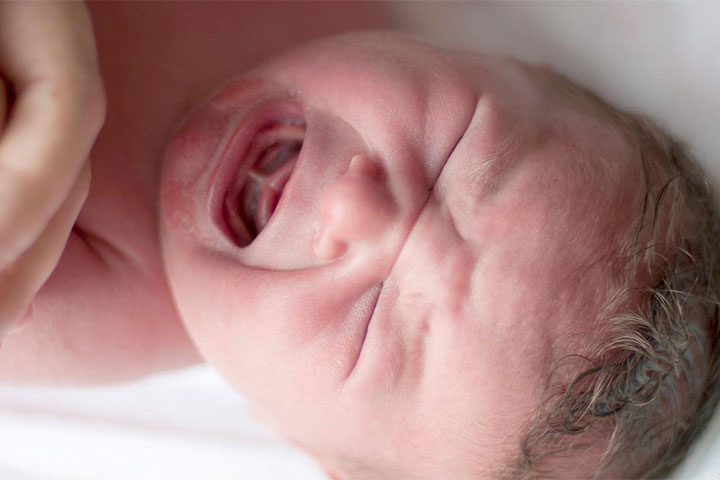
For children, serious respiratory infections are on the rise
Germany's public health agency reports more than 7 million cases of respiratory illnesses in a month. Babies and children have been infected by a virus that could threaten lives. Why are there so many cases this year? Doctors' offices across Germany are full of coughing, sniffing patients who don't just look miserable but probably feel that way, too.  According to the Robert Koch Institute, the country's public health agency, more than 7 million people have come down with various respiratory illnesses within a month. With cases skyrocketing in such a short stretch of time, doctors are barely able to cope. It's not unusual for cases of infectious disease to increase during the winter months. But this time around, the number is extremely high, and medical and care staff are reaching their limits. Altogether, researchers have identified around 200 different cold pathogens. Four of them are particularly rife in Germany and Europe at the moment, according to the Robert Koch Institute: influenza viruses, rhinoviruses, SARS-CoV-2 and the respiratory syncytial virus (RSV), which can be be dangerous particularly for babies and toddlers. RSV can lead to serious symptoms Many of the children who have been infected by the highly contagious RSV have been sent to the hospital for respiratory support. In some regions of Germany, pediatric wards are completely full. RSV is a common virus, and occurs on a seasonal basis. It can lead to bronchiolitis, which mainly affects children under the age of 2, causing their small airways to become inflamed and swell up. The airways become narrower, reducing air flow to and from the lungs, which can result in breathlessness and pneumonia. Mucus builds up in the fine bronchioles, the smaller branches of the airways, and can leave them seriously damaged. Fever and coughing are also typical of an RSV infection. Some children develop symptoms that resemble those of whooping cough, which can also lead to a life-threatening situation. Adults, for their part, tend to get over such infections without major problems — unless they have serious underlying medical conditions or an immune system that isn't functioning as well as it could. Lax COVID restrictions leading to more cold infections During the worst phases of the COVID-19 pandemic, infections by cold viruses — including RSV — were relatively rare. Most people observed the strict hygiene precautions put in place to stop the spread of COVID: frequent hand-washing, mask-wearing and social distancing. This made it considerably more difficult for viruses of all types to spread far and rapidly. This year, however, the anti-coronavirus measures aren't as strict, both in Germany and many other countries. Cold viruses don't need to overcome distance or face masks to spread their infection, and all those children who escaped infection during the pandemic are now getting sick, creating many more cases than there would be in a typical year. Many of the babies and toddlers who weren't infected two years ago are now getting sick this winter. The same goes for those who avoided illness last year, and the newborns who are just now experiencing their first wave of colds. All these cases are adding up, causing the overall number to explode. All these children have not previously had a chance to build up antibodies against RSV, or many other types of cold virus. Such antibodies help the body to fight off viruses and protect itself from pathogens. The hygiene measures to combat the coronavirus meant that the immune systems of babies and toddlers have, until now, never had to deal with cold viruses — making the current wave of infections all the more serious. What should parents look out for? A major alarm signal for parents is when a child has difficulty breathing, or makes rattling breath sounds. Whistling noises in the lungs or a sort of crackling can also be an indication of a respiratory illness, such as an RSV infection. The Robert Koch Institute has said that children with RSV often don't want to eat or drink, and may vomit. Tiredness can also be a symptom; children sometimes become apathetic and lose interest in everything. Where the symptoms come from exactly, how serious the illness is or whether it could even be life-threatening for a child are best assessed by medical experts. The most important thing to do in such a case is to go to a pediatric doctor, even if making an appointment isn't all that easy at the moment. The RKI has warned that the danger of infections is far from over, with worldwide case numbers possibly rising even further. France already made an emergency plan for a bronchiolitis epidemic in early November. Other countries may soon be forced to follow its example. This article has been translated from German.
For children, serious respiratory infections are on the rise
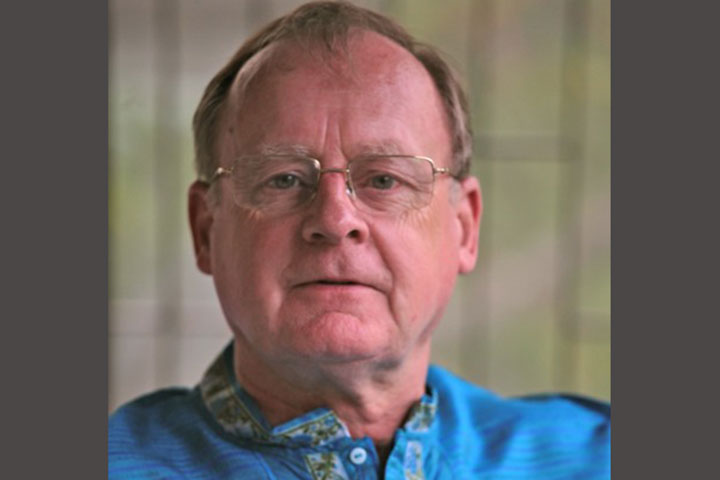
International Day of Persons with Disabilities / HOW TO UNDERSTAND AND RESPECT PEOPLE WITH DISABILITIES- SOME ‘DOs and DON’Ts’
My elder brother, James, who was born in 1943 with a genetic chromosomal abnormality, Down Syndrome, and who had a severe learning disability, died in 1999 in the U.K. as a result of negligence.  He died of bronchial pneumonia because doctors who were treating him did not take the time and trouble to find out exactly what was wrong with him.  He had been suffering with diarrhoea and they treated him for that without properly examining him at the residential care home in which he lived.  He died because he was unable to communicate with the doctors and his carers supposedly trained to look after people with such difficulties.  His birthday, which he always celebrated with a lot of fun and laughter among friends, even going to a local pub for a drink, was 3rd December.  This date, therefore, has special significance for me, because, in most countries of the world, 3rd December is observed as the International Day of Persons with Disabilities.  It is only right to ask ourselves if we ever take time to understand the problems, the challenges, the feelings and the aspirations of those people who live among us who, as a result of a disability or disabilities, find their lives more difficult to handle than most of us.  When we meet people with disabilities, due to our lack of knowledge, we often feel awkward and embarrassed as we do not know how to react, what to do, or what to say. I am writing down some practical advice which may help in the understanding of how people with disabilities feel. I draw on my own personal experience of growing up with a brother with a severe learning disability and later in life having a son, now 46 years old, with a similar disability. These experiences and knowing many other people with disabilities who have become close personal friends, have enriched my life and my work. Having assisted, in 1990/91, for putting together the first preliminary draft of Bangladesh’s National Disability Policy, and having seen how slowly it made progress, I am well aware of how officialdom looks at the problems of the disabled. Although, 40 years ago, 1981 was observed as the International Year of Disabled Persons, the rights of persons with disabilities have always tended to be at the bottom of most governments’ budget plans, and so, it can only be stressed that much more work has to be done. Having said that, I am pleased to see that the Government in Bangladesh has been taking a much closer interest in the difficulties faced by persons with disabilities and that the Disability Welfare Act 2001 was amended and strengthened in Parliament through the Disability Rights and Protection Act, 2013. In addition, “Protection of Persons with Neuro-developmental Disability Trust Act, 2013” was also enacted. Significantly, multilateral, bilateral and INGO donors have now adopted the slogans ‘Leave Noone Behind’ and ‘Disability Inclusion’. 30 to 40 years ago all development programmes had to address issues related to women to be accepted by donors. So very many years later, the rights of people with disabilities are now, at last, recognized! My work over the years has been enriched by many friends in Bangladesh and elsewhere who have disabilities, and all the time I try to focus on the person and not on the disability and hopefully what I write below – and I first wrote most of these words 35 years ago - will help Government Ministers and government officials better understand what they have to do and how to relate to persons with disabilities. The best advice, however, is that if you do not know how to handle your relationship with a person with a disability, ask him or her for advice.  I hope these Do's and Don'ts will enrich the lives of those who read them and some of the millions of people with disabilities in Bangladesh. -Don't treat a person with one disability as if she/he is disabled in other ways. People tend to talk in simple single syllable words to people who use wheelchairs, they shout at the deaf, and often address a blind person through someone else. -Don't focus on a person's disability, focus on the person. -Do ask if you can help- and how to help-if it looks as if help might be needed. You may be shy about offering help. The disabled person may also be shy about asking for it. And don't be offended if your help is not needed-persons with disabilities usually like to be as independent as possible. And don't be put off from offering your help at another time. -Don't say "I wouldn't try that if I were you"-a disabled person is likely to be the best judge of what she/he can or cannot do. -Don't show pity and say, "I don't know how you manage; I'd die if I couldn’t walk." It is often hurtful and, under the guise of praise, reinforces the sense of being different. -Do treat children with disabilities as normally as possible-including not allowing them to misbehave. Disabled children need to learn the boundaries of acceptable behaviour, in their own society, just as other children do. -Do identify yourself straightaway. A blind person can't always place you by a 'hello'.  It's hard for her/him to reply warmly, 'hello', if she/he doesn't know who you are. So, give a name and context; "Hello, it's Tasneem.  We met last week at Shahana’s house." -Do make a special effort to remember the name of a person who is blind. Beginning with her/his name is the only way of letting him know that you are talking to her/him. -Don't feel shy about saying things like "nice to see you" to a blind person. She/he may even say it back. It's impossible to avoid words connected with seeing-blind people aren't self-conscious about it and needn’t be. -Don't grab a blind person's arm unexpectedly. You'll startle her/him. In fact don't hold a blind person’s arm at all! Allow her/him to hold yours. She/he is then safely half a step behind you and so is forewarned of what your next move will be by the change in your position. -Don't say "here's a step”-say, "step up" or "step down." It's dangerous as well as embarrassing to be waving your foot in mid-air when the step actually leads down. Also if the step is exceptionally deep or shallow, do mention it. -Don't leave doors half open. Shut them all the way or open them flat against the wall. -Don't exclude a blind person from television. It gives her/him access to a world familiar to her/his sighted friends. -Don't exclude a blind friend from outdoor activities. Ask if she/he would like to shop with you instead of your doing it for her/him. -Don't chase a child away from a person with a learning disability (often, wrongly, referred to as 'mentally retarded') who might approach her/him.  It only perpetuates the feeling that there is something to be afraid and ashamed of if she/he reaches out to touch a child, take her/his hand and turn it into a friendly handshake-deflecting the attention away from the child and on to yourself -Don't be afraid of a person with a learning disability. Very few are violent-and if they are among people, you can assume that they are not violent. Avoidance and rejection are among the most commonly upsetting things to people with learning disabilities. -Do be honest and keep promises. Don't assume that a person with a learning disability doesn't understand or remember what you've said. As an example, my son Neil, now 46 years old, who has a severe learning disability, has a very good memory, an amazing sense of direction and a great sense of humour. -Do take time to listen to someone who is mentally ill-and don't assume that she/he has no knowledge or opinions of value. -Don't express pity for parents of 'retarded' children-their child is just as precious to them as any child is to any parent. -Don't give advice, except to point someone in the direction of professional help if none is being given and some help seems necessary. -Do remember that any practical help you offer may need to be given for a long period. -Don't tell a person who is mentally ill to "pull themselves together". If they could, they would. -Don't grab hold of a wheelchair without being asked. The occupant can easily be thrown out by an inexpert enthusiast. Remember to warn her/him if you are going to turn the chair round quickly. In fact, it's thoughtful to tell her/him whatever your next move is going to be. -Do check with the person in the wheelchair if the speed you are pushing her/him at is comfortable.  Too fast-it's unsettling. Too slow-it's plain boring. -Don't lift the wheelchair by the armrests-they'll probably come out in your hands. Do remember that the person may find it hard to hear what you are merrily chattering about-and since your voice, coming from behind, may not compete well with traffic noise. Also, from her/his vantage point, she/he may not be able to see what you are pointing to. -Do chat to a person in a stationary wheelchair with your head on the same level. It's embarrassing always literally to be "looked down upon" and uncomfortable always to be looking up. -Do ask her/him how to get a wheelchair up or down a flight of stairs-there are often simple mechanisms or techniques which the disabled person will know. -Do keep your face clearly visible when talking to a deaf person. Face the light. If you stand with your back to the light or window then you may be silhouetted, wiping out the details needed for lip reading. Don't move around-your deaf friend will miss words each time you turn your face. -Do not distort your face exaggeratedly to 'help' a lip-reader. The subtle signs she/he watches out for will be swamped by such contortions. And don’t shout-it doesn’t help and can distort hearing aids. -Do bear in mind that someone who is deaf may be nervous of going out in the dark.  Already denied one sense, she/he may be uneasy about being deprived of another. Indoors, make sure she/he has easy access to a safe light. And don't forget to take a torch if you go out at night with someone who is deaf-shine it on your face when you speak. -Don't remain silent if you can't make out what a deaf person is trying to say, or if her/his hearing aid is making a whistling noise. Be frank. How else is she/he expected to know? -Don't condescend. A deaf person's voice may sound strange. But there's no need to behave as if he she/he has a learning disability as well. -Do play music. People who are deaf can "hear" the beat through the vibrations. Deaf teenagers love records and dancing at discos-the louder the music the better.  ##  
HOW TO UNDERSTAND AND RESPECT PEOPLE WITH DISABILITIES-  SOME ‘DOs and DON’Ts’
Read More
Returning the Benin Bronzes to Nigeria
Elon Musk says he will step down as Twitter CEO
US to promise Patriot missiles to Ukraine
Iran expelled from UN women's rights body over crackdown