
Various initiatives are being implemented to make the Dhaka-Chittagong highway—hailed as the lifeline of the country's economy and transport system—safer, more modern, and congestion-free. The highway is set for a major transformation through technology-driven traffic management, round-the-clock AI camera surveillance, automated ticketing systems, construction of overpasses and underpasses, and a long-term plan to upgrade the highway to 10 lanes.
The government expects these steps to increase discipline in vehicle movement, significantly reduce accidents and traffic jams, shorten travel times for passengers and cargo between Dhaka and Chittagong, and further accelerate the country's commercial activities.
To identify traffic law violators on the Dhaka-Chittagong highway, an artificial intelligence (AI)-based camera and "auto fine" system was launched on August 18.
The surveillance covers approximately 250 kilometers of the highway from Signboard in Jatrabari, Dhaka, to the Chittagong City Gate.
Under this initiative, a total of 1,427 AI cameras are being installed across 490 points on the highway.
These cameras monitor vehicle movements and detect various traffic violations, including speeding, failure to maintain designated lanes, dangerous overtaking, driving in the wrong direction, and illegal parking.
State Minister for Road Transport and Highways Habibur Rashid Habib stated, "The Dhaka-Chittagong highway is the lifeblood of the country's economy and communication system. The government is working with short-, medium-, and long-term plans to reduce congestion and accidents on this highway, making travel safer and smoother. We are placing equal emphasis on modern technology use, traffic discipline, and essential infrastructure construction, not just widening roads."
He added, "The launch of AI cameras and the auto fine system marks a new era in traffic law enforcement on the Dhaka-Chittagong highway.
Law violations such as speeding, wrong-way driving, and dangerous overtaking are detected through technology, which will increase law-abiding behavior among drivers and play an effective role in reducing accidents."
Within the first 24 hours of implementing the AI-camera-based automated fine system, 449 cases were filed, totaling 1.551 million taka in fines.
Speeding accounted for the highest number of cases, demonstrating how technology-driven surveillance can effectively control high-speed driving trends on the highway.
Once a case is filed, information and fine notices are sent via SMS to the mobile number of the registered vehicle owner, with options to pay fines through Mobile Financial Services (MFS). This has streamlined law enforcement and raised awareness among drivers.
BRTA Chairman Mohammad Habibur Rahman noted that while a high number of violations detected initially is normal, regular monitoring will foster driver awareness and gradually decrease law-breaking tendencies.
Necessary actions will be taken against repeat offenders under existing laws and rules, ensuring transparency and accountability without harassing drivers or owners.
Beyond traffic enforcement, the government has major plans to expand the highway's capacity.
A feasibility study is underway to upgrade the Dhaka-Chittagong highway to 10 lanes, alongside plans to construct three additional underpasses to handle growing daily traffic between Dhaka and Chittagong.
State Minister Habibur Rashid Habib mentioned that necessary surveys and technical preparations are underway to upgrade the route for future traffic demands.
To resolve chronic congestion at the Cumilla (Padua Bazar) area, designs have been drawn up to expand the existing overpass, backed by plans to build five underpasses in related zones to curb accidents and traffic jams.
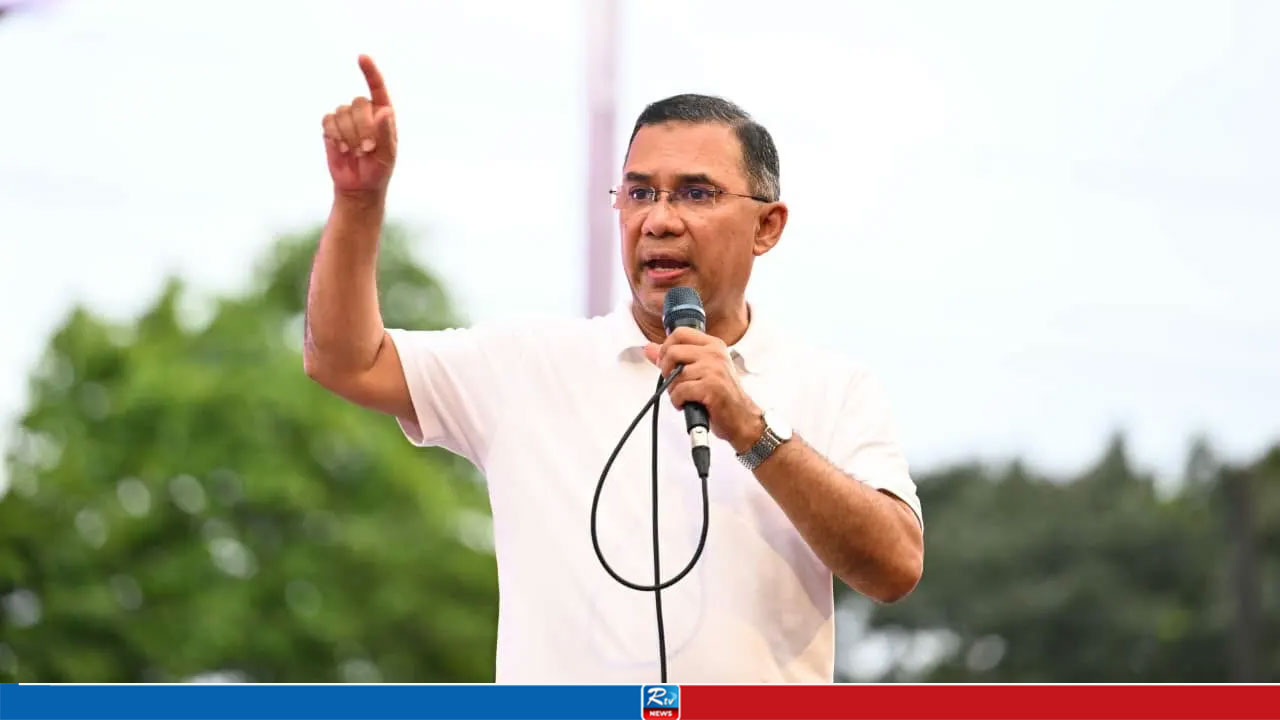
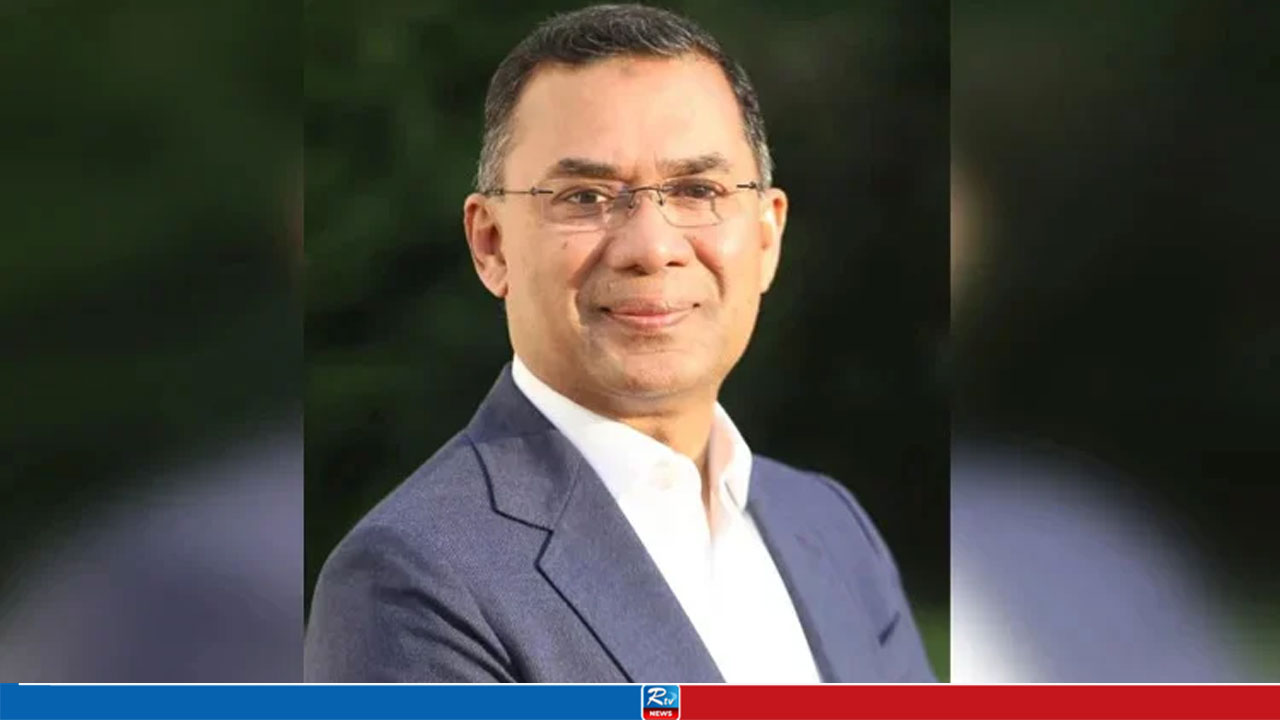
Chief Engineer of the Roads and Highways Department, Md. Moniruzzaman, stated that Prime Minister Tarique Rahman has directed the conversion of the entire 232-kilometer Dhaka-Chittagong highway into an elevated expressway.
Designs have already been completed following this directive, with the Development Project Proposal (DPP) to be prepared once financing is secured.





 Live TV
 RTV Plus
