Russians initiate a three-day weekend voting cycle Friday in the nation's inaugural parliamentary contest since full-scale hostilities erupted in Ukraine, unfolding under tight Kremlin dominance and negligible genuine political rivalry.
Stretching balloting across Friday through Sunday alongside electronic voting provisions, authorities aim to elevate participation among 111 million eligible electors.
President Vladimir Putin urged participation prior to the opening, stating, "Your choice and resolve will once again demonstrate that millions of people stand behind our fighters, that we are a united people, bound by shared values, historical memory, and love for the Motherland."
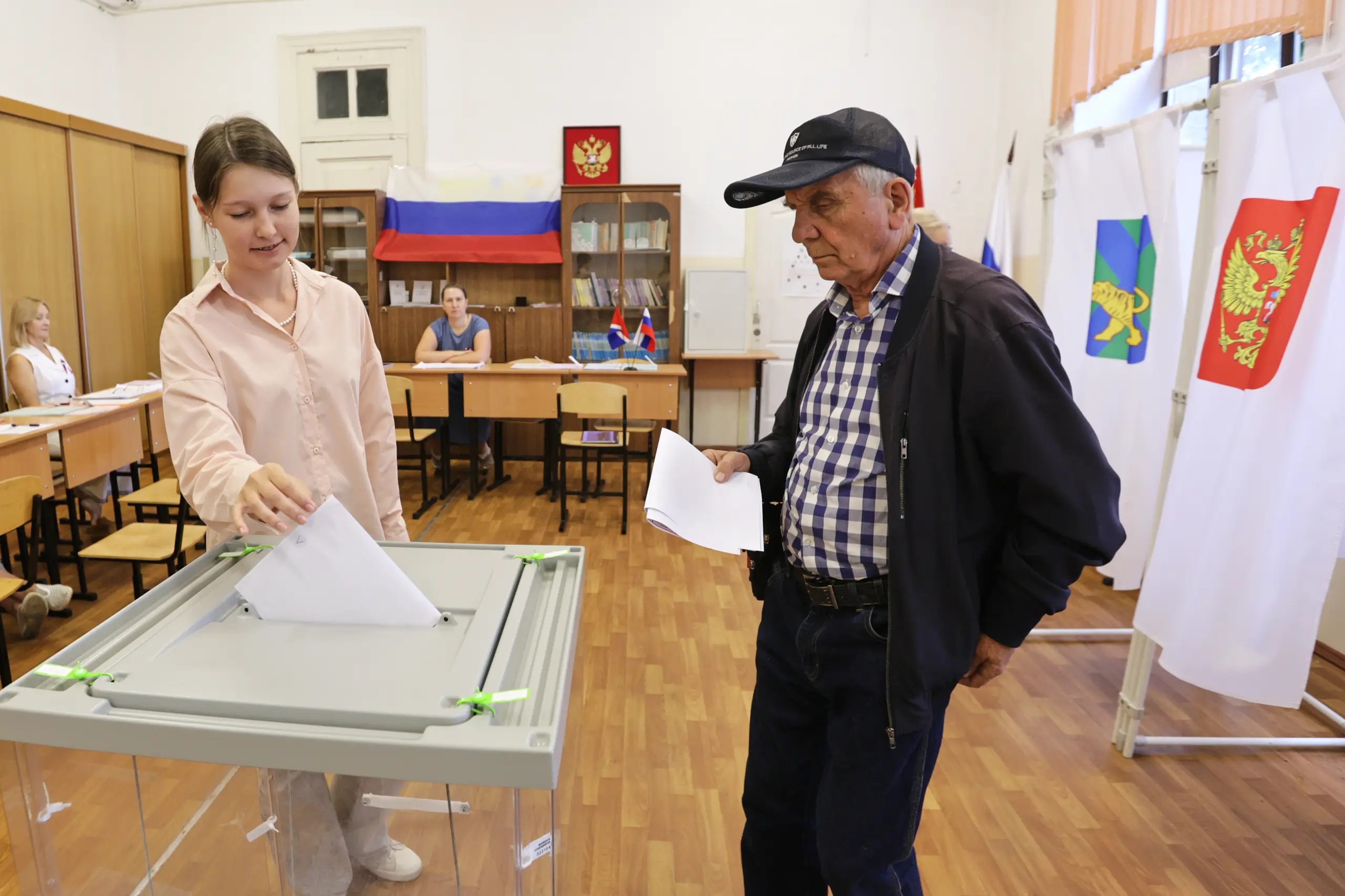
Moscow leverages the process to project war backing and domestic legitimacy while systematically extinguishing dissent, including the Supreme Court's pre-election disqualification of the anti-war Yabloko party (leaving only a minor slate in single-member races) alongside the imprisonment or exile of prominent anti-war figures.
State Duma configuration splits the 450 total seats evenly between party-list proportional representation and single-member constituency ballots.
The ruling United Russia party remains positioned for total legislative control, supported by compliant systemic opposition factions.
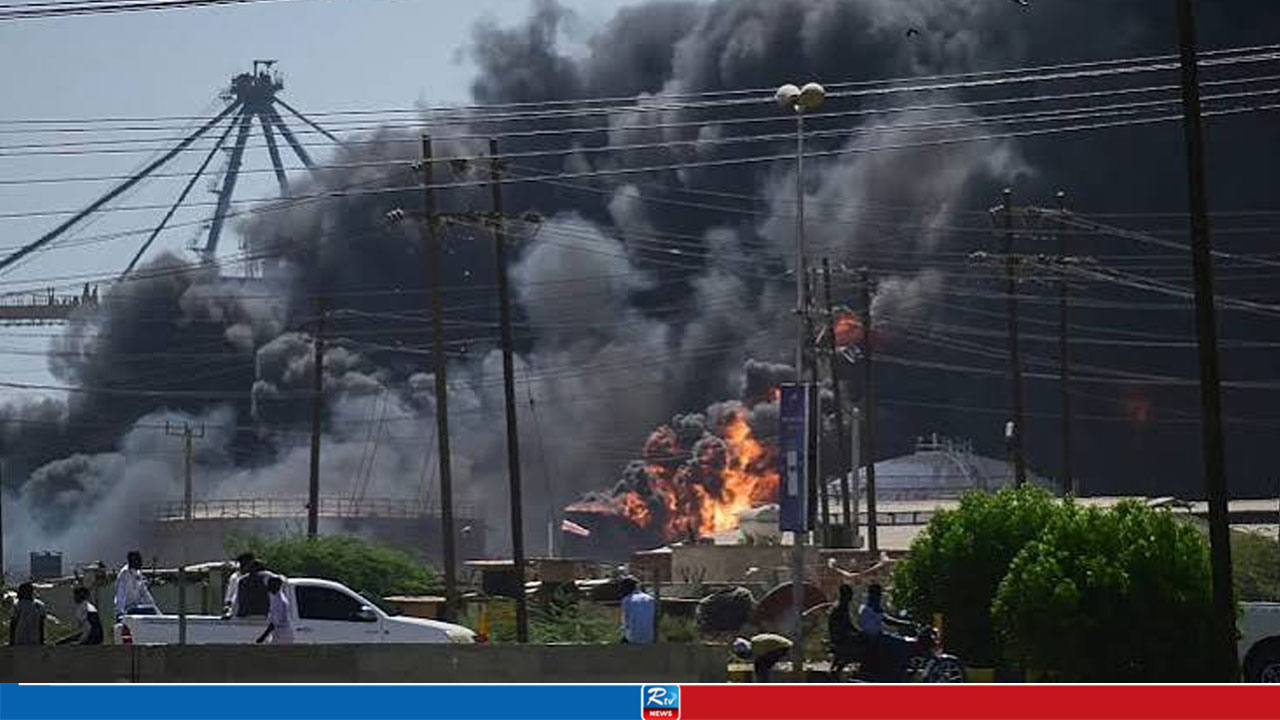
The electoral backdrop encompasses post-summer economic fallout from Ukrainian long-range drone strikes hitting Russian oil refineries and e-commerce storage hubs (Wildberries and Ozon), intensifying domestic fuel scarcity and war visibility.
Expanding territorial reach, voting encompasses Crimea alongside four post-invasion annexed Ukrainian regions for the first time.
Kyiv denounces the occupied-zone balloting as unlawful, urges international non-recognition, and warns organizers of criminal prosecution.
Source: AP




 Live TV
 RTV Plus