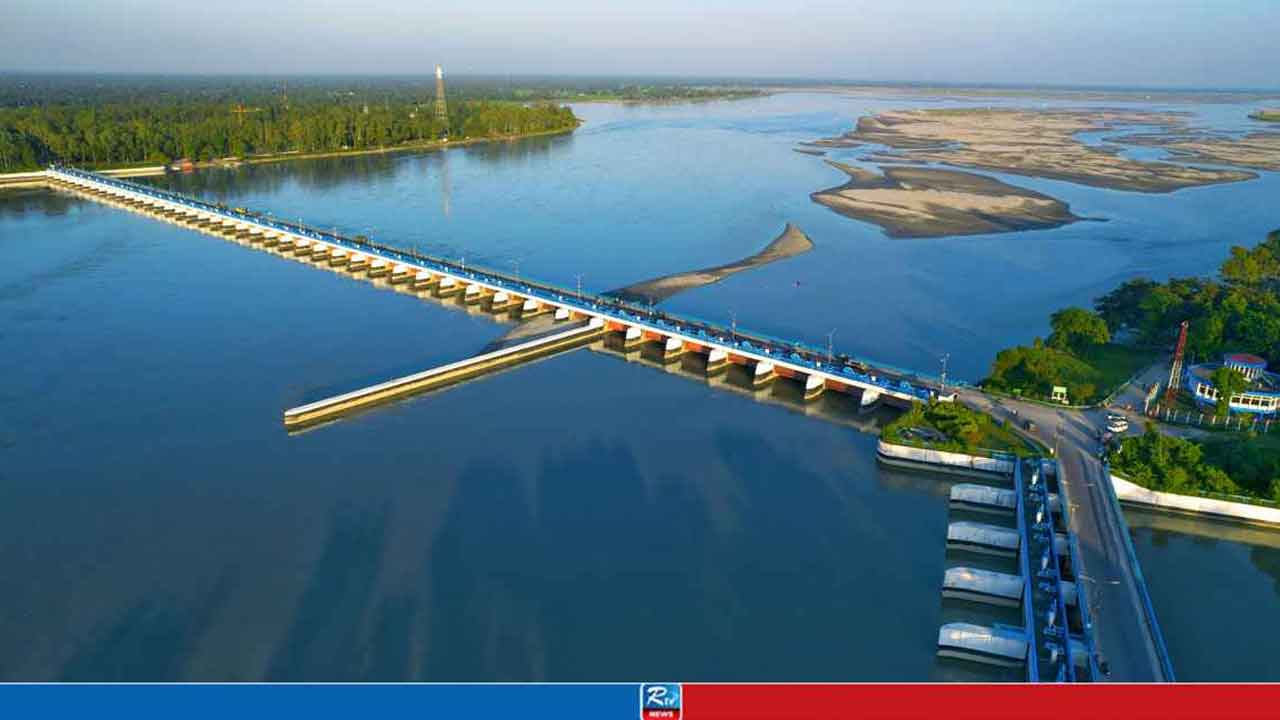
The long-awaited implementation of the Teesta Master Plan for millions of people in the northern region has begun to take concrete shape under the current BNP government.
As part of the government's proactive measures, the preliminary work for executing the core administrative and technical aspects of the master plan has officially commenced.
Officials involved with the project stated that the government has prioritized fulfilling the specific commitment outlined in the BNP's election manifesto regarding the implementation of the Teesta Master Plan.
To determine the necessary technical and economic feasibility prior to the launch of the main project, the Ministry of Water Resources has submitted a feasibility study proposal worth approximately ৳230 million ($23 crore) to the Planning Commission.
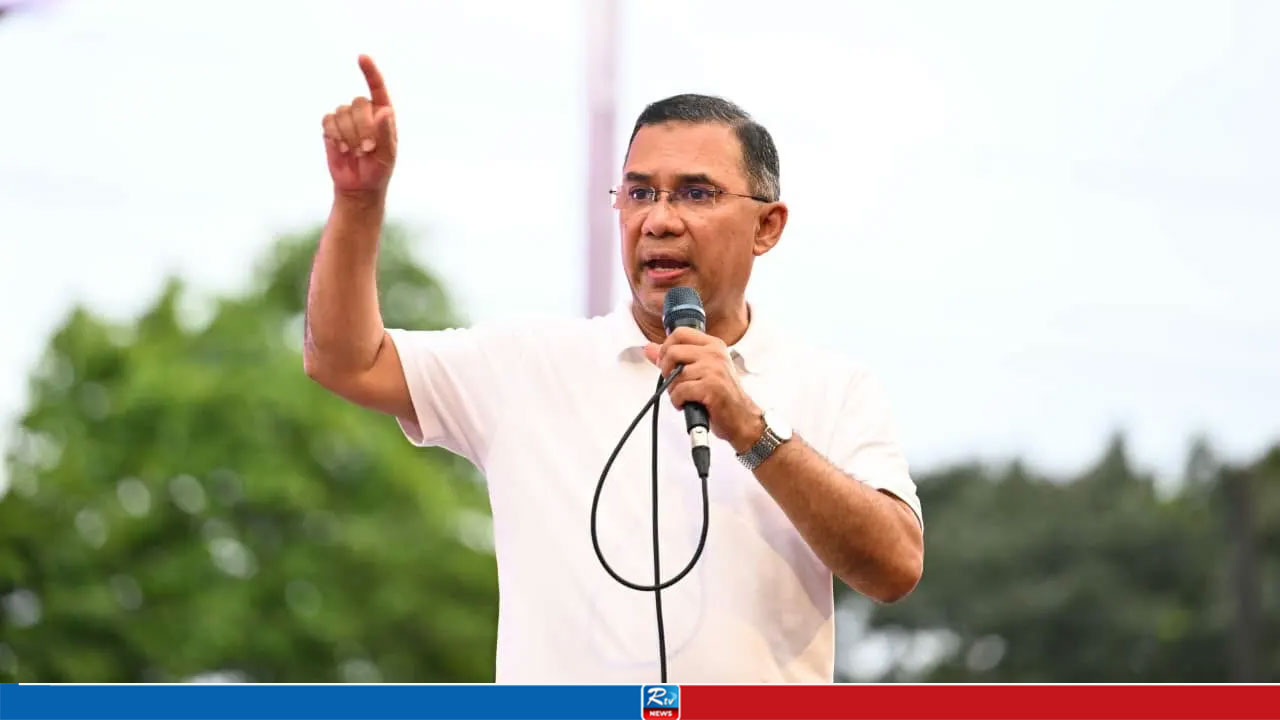
Once this initiative by the BNP government, led by Prime Minister Tarique Rahman, is approved, world-class consulting firms will be appointed through international competitive bidding to ensure the mega-project is executed transparently and sustainably.
The primary objectives of the government's master plan are to ensure a permanent solution to recurrent flooding and river erosion in the northern region and to transform the northwestern part of the country into a key economic driver.
Under the proposed master plan, the government is prioritizing several key interventions: protecting 110 kilometers of riverbanks; constructing and renovating 67 groynes or spurs; restoring navigability and normal water flow through 110 kilometers of river dredging; building 224 kilometers of robust flood control embankments topped with paved roads; and reclaiming approximately 170 square kilometers of new land through river training, paving the way for agricultural and industrial utilization.
Bangladesh Water Development Board (BWDB) Director General Engineer Md. Ruhul Amin said that this integrated plan will not only protect the river but also add a new dimension to regional connectivity and irrigation systems.
He noted that the proposed 224-kilometer-long flood control embankment and the road built upon it will transform the underdeveloped communication network of the northern region.
He expressed hope that in areas traditionally cut off during the monsoon season, this multi-functional embankment will serve simultaneously as a natural defense and an economic corridor.
When contacted, river expert Mohammad Ejaz remarked that the dredging operations can be successfully executed by carefully considering sediment management and river morphology.
Dr. Md. Ataur Rahman, a professor in the Department of Water Resources Engineering at BUET, stated that the project will yield long-term benefits by ensuring upstream-downstream water flow and structural safety.
Welcoming the government's initiative, Water Resources Ministry Secretary Dr. A. K. M. Shahabuddin said that this study will play a highly effective role in swiftly turning the Teesta Master Plan into reality.
It will ensure the technical and economic viability of every component, including barrages, river training, dredging, flood control, and water conservation.
Planning Division Secretary S. M. Shakil Akhter stated that the proposal is being examined on a priority basis by the government. Once approved, it will be possible to proceed to the next phase with the assistance of international experts to guarantee high quality.
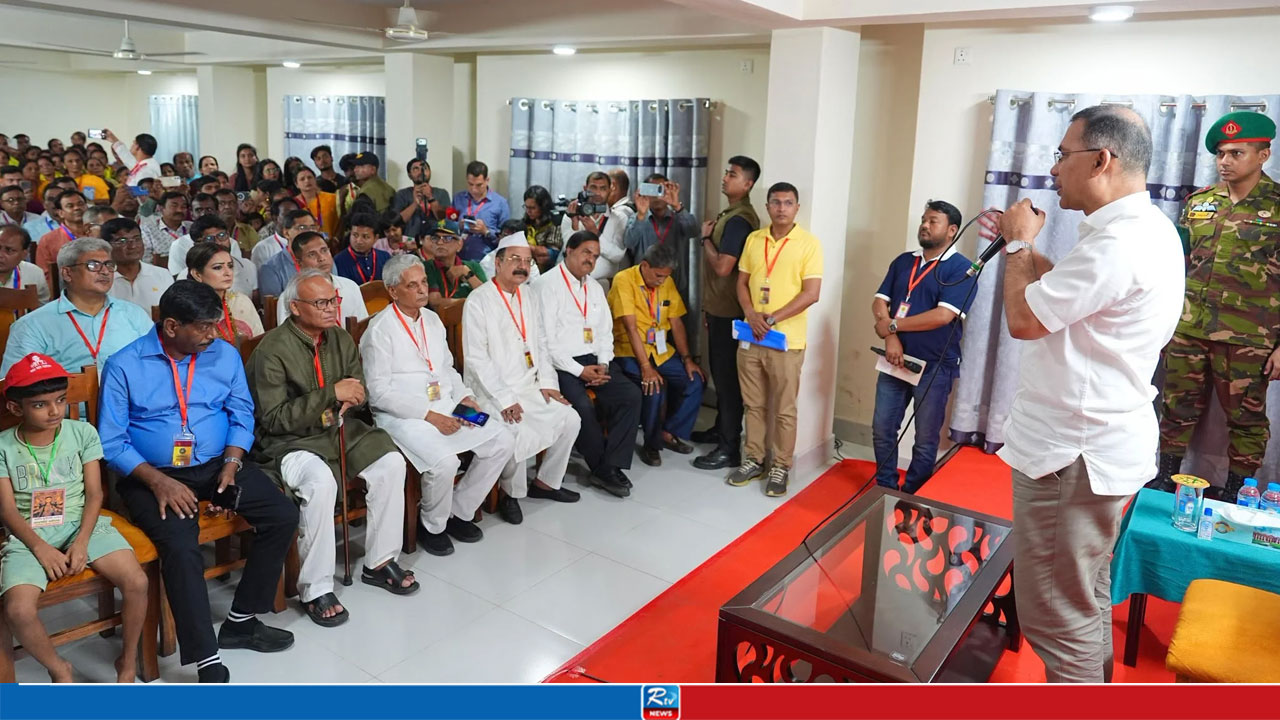
Recently, Minister for Water Resources Shahiduddin Chowdhury Annie highlighted the BNP government's specific roadmap and firm resolve to implement the Teesta Master Plan in the National Parliament, injecting renewed momentum into the project.
Officials from the Ministry of Water Resources noted that the economies of peripheral districts such as Rangpur, Lalmonirhat, Nilphamari, Kurigram, and Gaibandha have suffered for generations due to the erratic nature of the Teesta River.
Acute water shortages in the dry season and devastating erosion during the monsoons have rendered millions homeless.
The implementation of the Teesta Master Plan is expected to radically transform the livelihoods of the people in this region, with the 170 square kilometers of reclaimed land creating fresh opportunities for agriculture and local industries.
Experts opine that the Teesta Master Plan initiated by the BNP government is not merely a river management project, but a milestone achievement toward attaining economic self-reliance for northern Bangladesh.






 Live TV
 RTV Plus