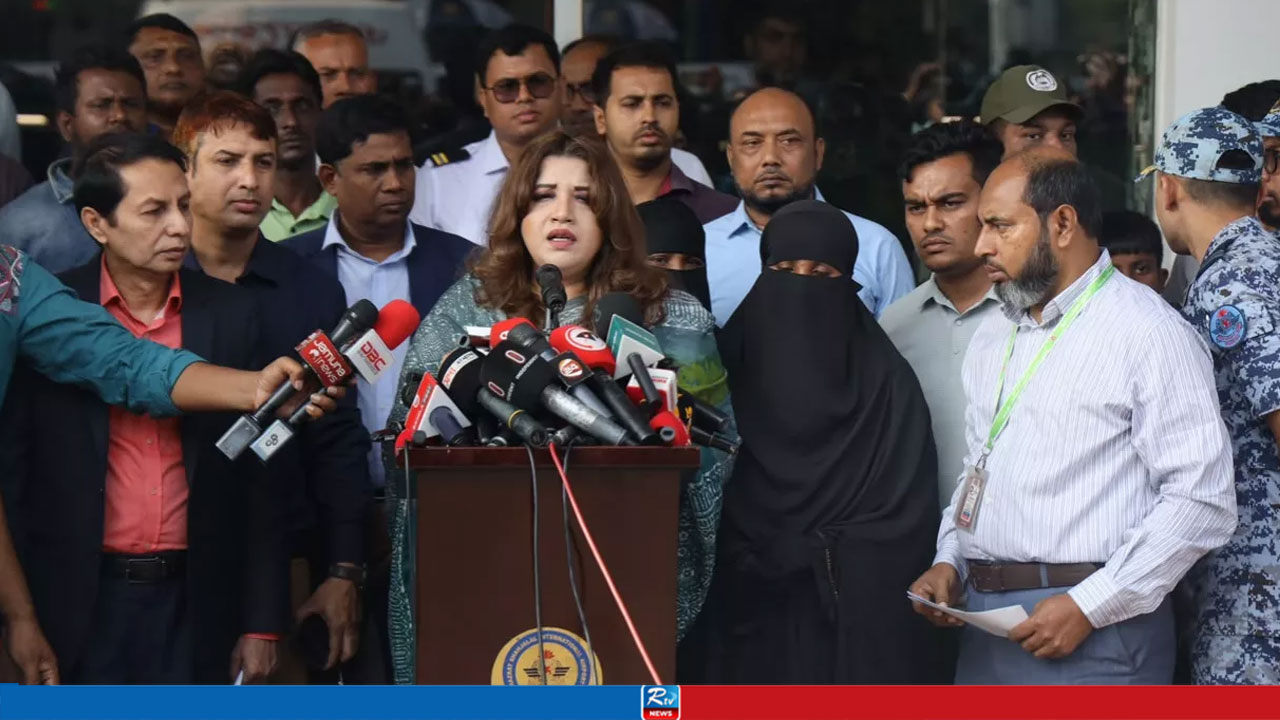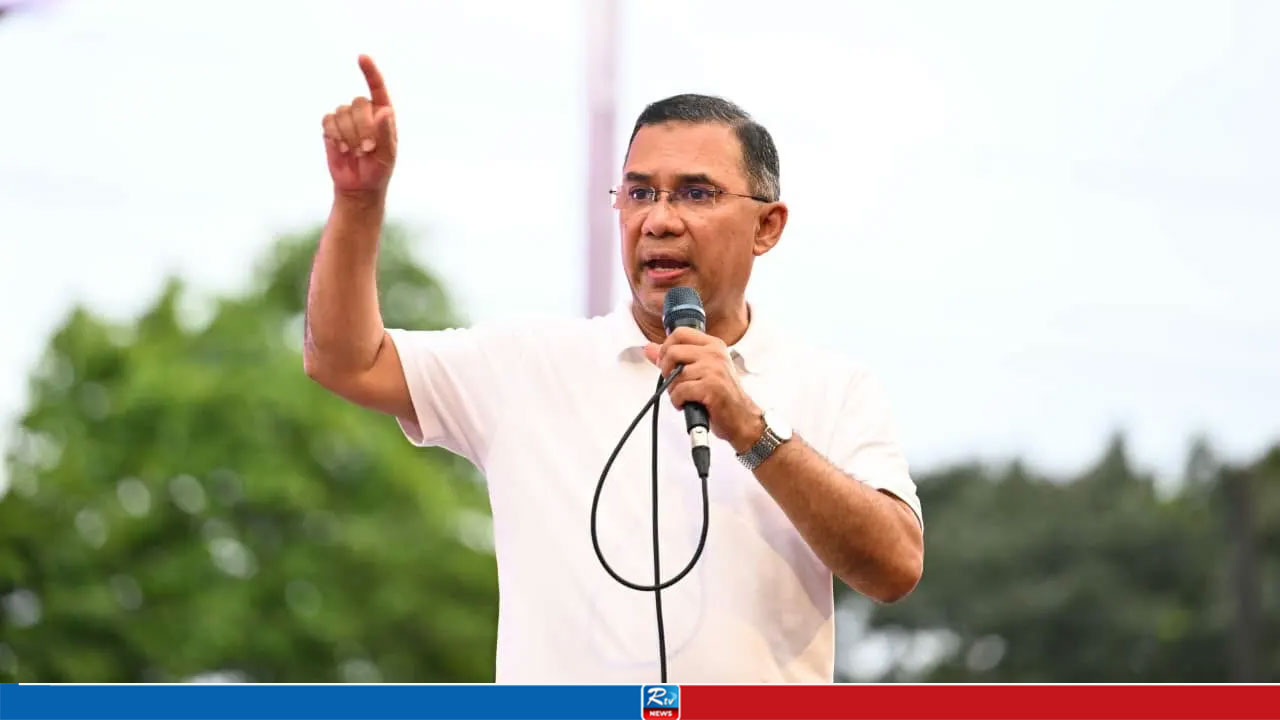
Prime Minister Tarique Rahman has outlined Bangladesh's comprehensive plans to leverage regional cooperation, economy, trade, energy, environment, and maritime potential surrounding the Bay of Bengal.
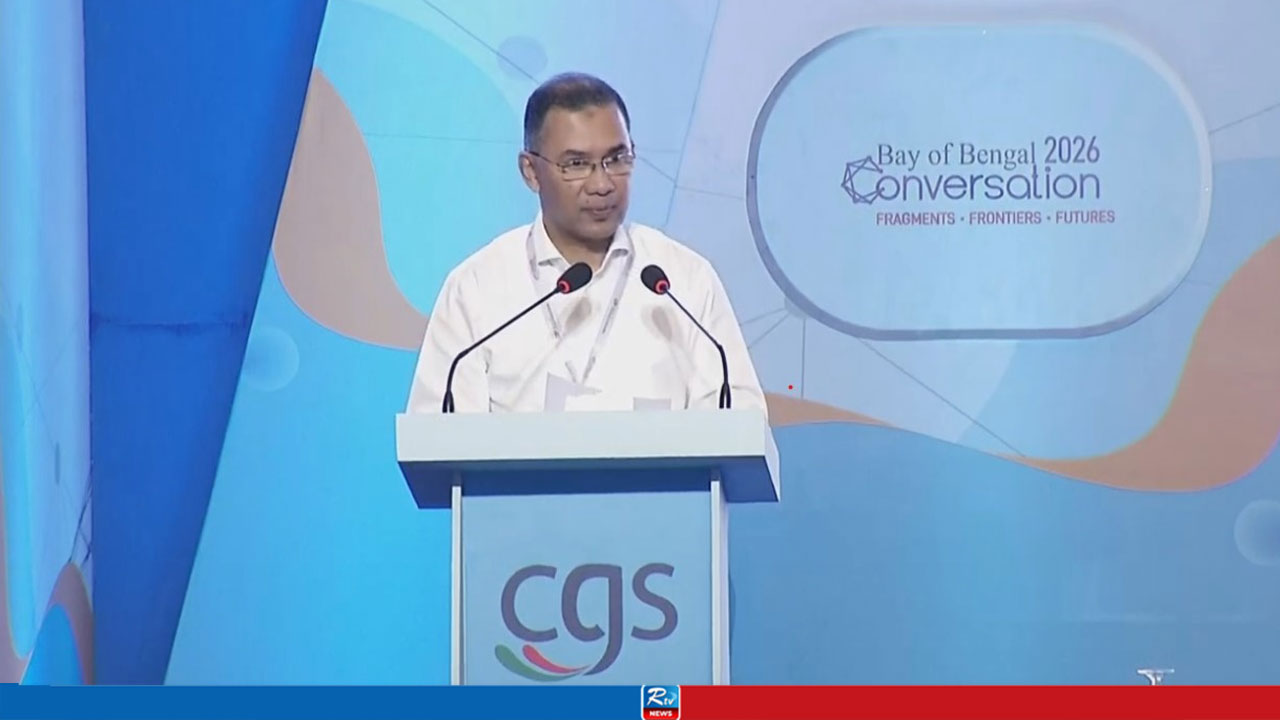
He made these remarks while delivering the inaugural address at the 5th Bay of Bengal Conversation 2026 in Dhaka on Saturday (October 3).
Organized by the Centre for Governance Studies (CGS), the three-day international conference is taking place from October 3 to 5 at the Pan Pacific Sonargaon Hotel.
The Prime Minister stated that the newly elected government's five-year action plan prioritizes national interest protection, policy continuity, economic stability, and institutional reforms, shifting from promises to implementation.
Key Highlights of the Prime Minister's Address
Investment and Economy: Emphasizing long-term policy continuity to build investor confidence, the Prime Minister announced plans to make Bangladesh more attractive for investment and transform the country into a vibrant manufacturing and export hub, boosting employment across production, service, and export sectors.
Social Safety and Welfare: To support disadvantaged communities, the government plans to introduce targeted welfare initiatives:
Family Cards: Direct financial assistance delivered to mothers.
Farmer Cards: Connecting farmers directly to state subsidies and agricultural services.
Health Cards: Ensuring medical accessibility.
Universal Cards: A future integrated system for unified citizen government services.
Healthcare Expansion: The government plans to recruit 100,000 healthcare workers—approximately 80% of whom will be women—to provide grassroots primary care, health counseling, and referral services, with a strong focus on maternal and child health.
Education Reforms: Education policy will focus on practical life preparation, joyful learning environments, and core values. Plans include free school uniforms, bags, midday meals, and stipends from first grade, alongside extended free education for girls up to the undergraduate level, third-language learning, and expanded vocational training.
Youth and Technology: Recognizing youth as a primary driving force, the Prime Minister stressed enhancing technical skills, language proficiency, and artificial intelligence adoption to leverage demographic dividends, foster innovation, and support entrepreneurship.
Agriculture and Water Management: Agriculture remains a core foundation, with enhanced access to technology, irrigation, finance, and cold-chain supply systems, alongside support for fisheries, livestock, and agro-processing. For water security, plans include excavating 20,000 kilometers of canals and waterways over five years, advancing the Padma Barrage project, and formulating the Teesta Master Plan.
Environmental Sustainability: Setting a target to plant 250 million trees over the next five years, the Prime Minister emphasized expanding solar energy, promoting waste recycling, and establishing eco-friendly factories.
Governance and Human Rights: Reaffirming a commitment to institutional transparency, accountability, and the rule of law, the Prime Minister underscored the protection of human rights, democratic values, and freedom of speech.
Rohingya Crisis: Highlighting the plight of nearly 1.2 million displaced Rohingyas sheltered in Bangladesh, he reiterated that their rapid, voluntary, safe, dignified, and sustainable repatriation remains a primary objective, requiring sustained international political support and funding.
Bay of Bengal Cooperation: Positioning the Bay of Bengal as a vital arena for strategic and economic growth, the Prime Minister called for enhanced bilateral and multilateral cooperation in maritime trade, shipping, fisheries, tourism, energy, and regional supply chains to transform shared geography into shared prosperity.





 Live TV
 RTV Plus