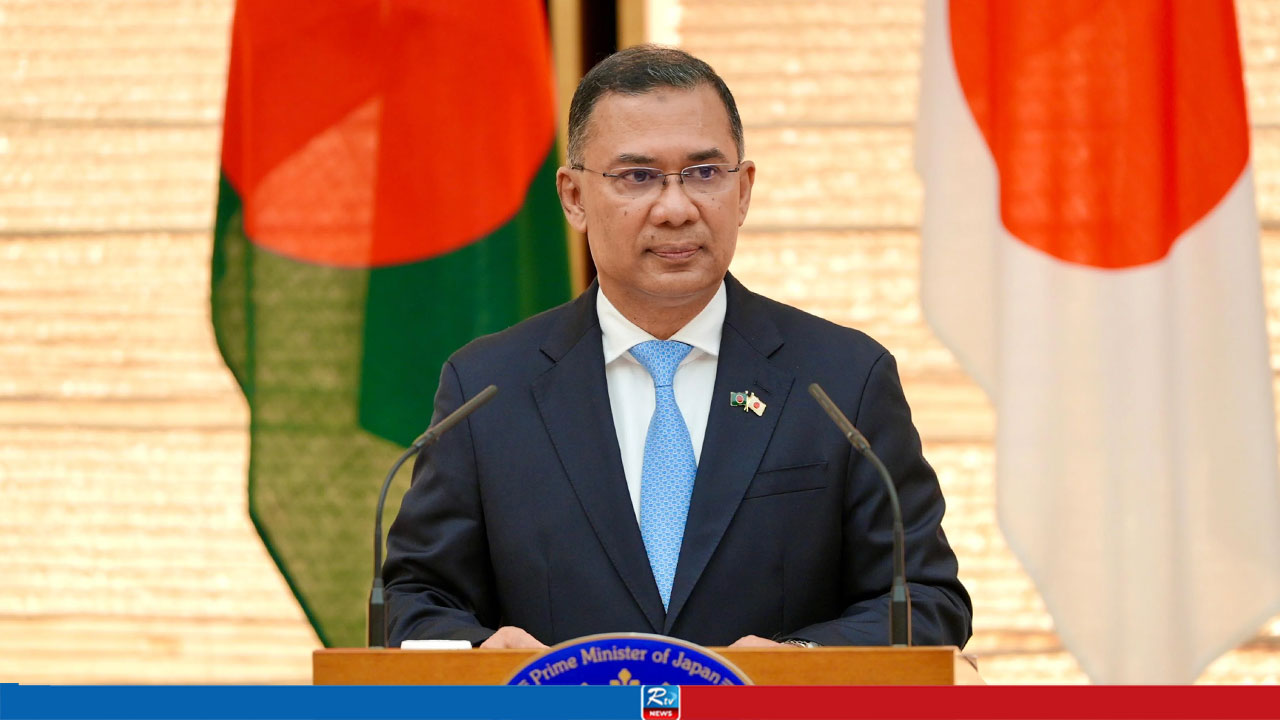
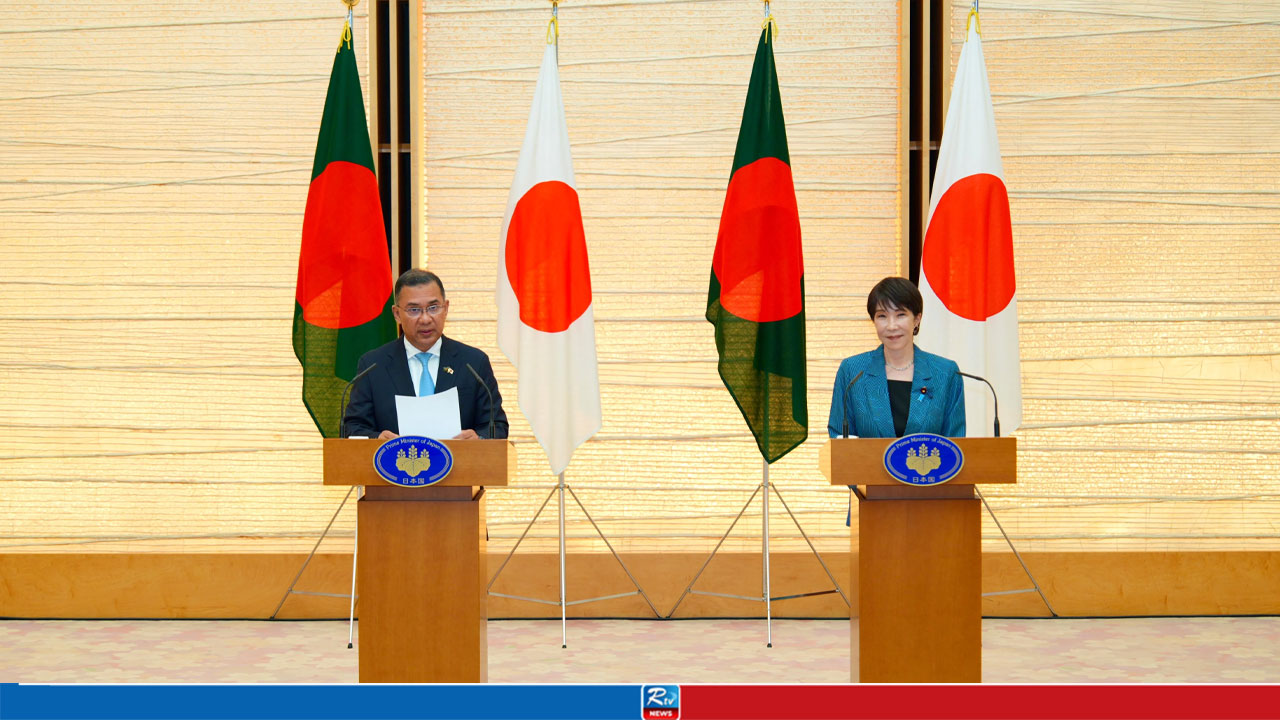
Dr Zubaida Rahman, spouse of Prime Minister Tarique Rahman, on Tuesday urged the Sasakawa Peace Foundation to broaden its collaboration with Bangladesh in healthcare, medical research, maternal and child wellness, and the development of modern medical infrastructure.
She extended the call while addressing a health-focused seminar hosted by the Sasakawa Peace Foundation in Tokyo this afternoon (local time).
Dr Zubaida said, “The present government of Bangladesh has identified healthcare, education and social protection as major policy priorities."
The administration had launched diverse initiatives to guarantee affordable healthcare for everyone, elevate the quality of public health services, recruit medical personnel, and broaden access to health and education for marginalized populations, she added.
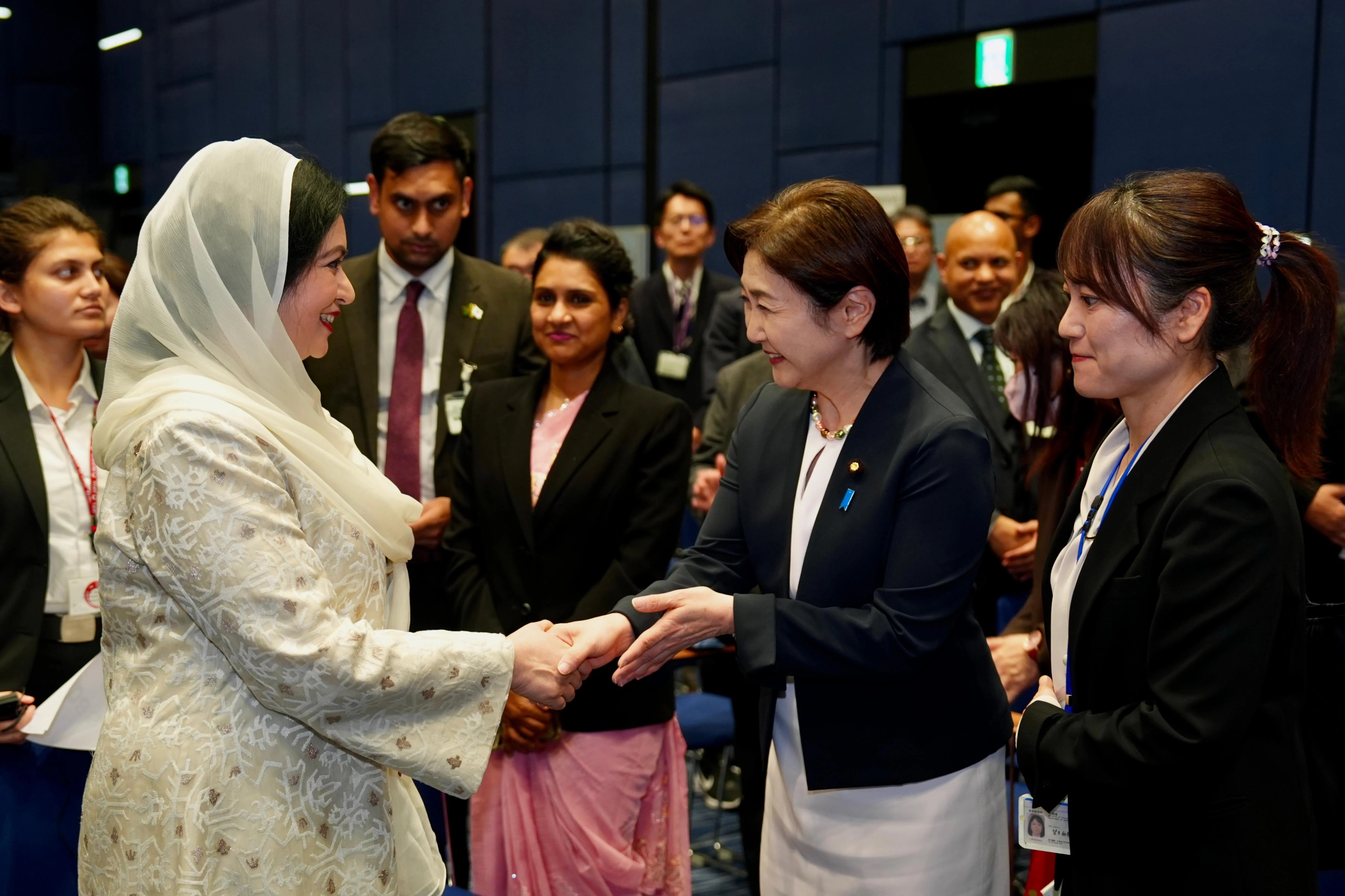
She noted that the government was likewise working to enhance citizens' living standards via employment-oriented education, expanded academic opportunities for underprivileged students, family-centric social assistance schemes, and the rollout of the Family Card.
Characterizing health as a vital domain of her professional and personal dedication, Dr Zubaida remarked that safeguarding people's physical and mental well-being was essential.
“Bangladesh-Japan bilateral relations are continuously evolving. There are opportunities to address emerging challenges in the health and social sectors by utilising the experience, knowledge and capacities of both countries,” she said.
Underscoring the mutual commitment of Bangladesh and Japan to fostering a healthy atmosphere for children to develop and fulfill their complete potential, she stated that sustainable social frameworks, robust economies, high-quality education and safeguards against violence, poverty, and other hazards were indispensable to realizing that objective.
Highlighting the significance of health diplomacy amid rising global interconnectedness, she observed that it could play a vital role in fulfilling the shared aim of securing health for all.
Dr Zubaida additionally highlighted the contributions of non-governmental entities, international bodies, voluntary projects, and philanthropic foundations, alongside state efforts, toward improving maternal and child health in Bangladesh.
Alluding to her professional background as a medical doctor in Bangladesh, she asserted that the nation possessed substantial capability to execute appropriate health policies, advance medical research, and build modern healthcare institutions.
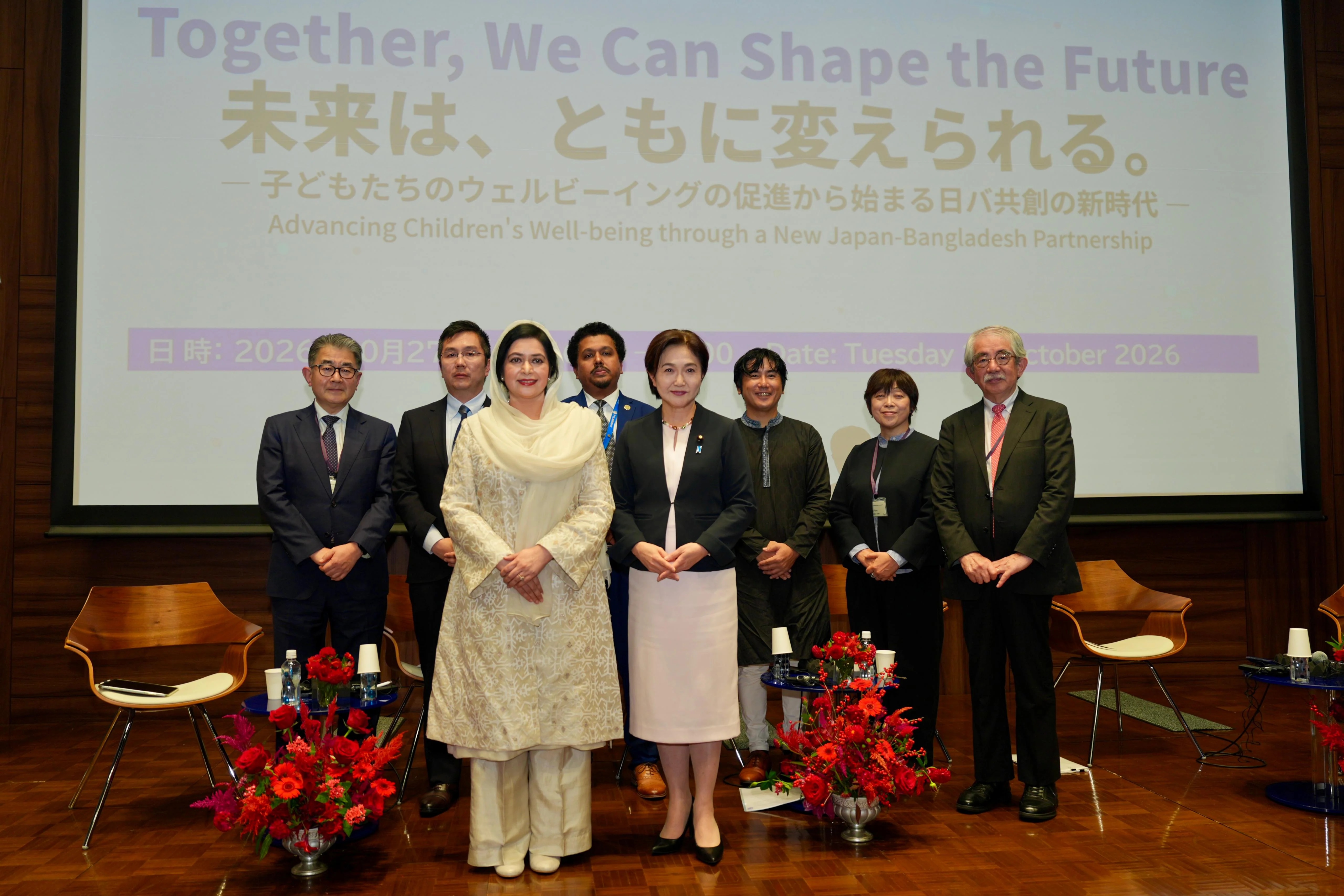
Expressing gratitude for the Sasakawa Peace Foundation’s endeavors to safeguard the health of children and vulnerable populations, she advocated for expanding its activities in Bangladesh and urged the foundation to provide greater resources and collaboration to address the nation's health challenges.
She affirmed that the Bangladesh government stood ready to offer full cooperation and backing to initiatives intended to protect and foster health while ensuring sustainable long-term healthcare services.
Honorary Chairman of the Nippon Foundation and the Sasakawa Peace Foundation Yohei Sasakawa and other eminent guests attended the seminar.




 Live TV
 RTV Plus