Dhaka 26 September, 2026

Human Rights Groups Urge Chief Adviser to Ensure Accountability and Reform

Rtv News

Publish : 21 Oct 2025, 09:22 AM
Photo: Collected

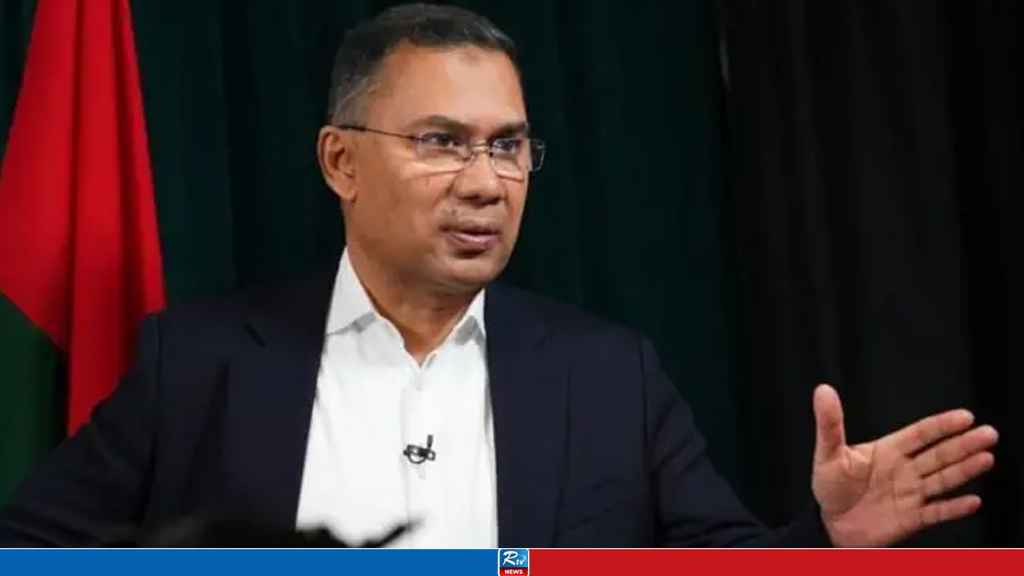
Six international human rights organizations have sent a joint letter to Bangladesh's Chief Adviser, Professor Muhammad Yunus, urging him to ensure accountability for serious abuses committed during the July uprising and over the past 15 years, alongside several other key human rights reforms.

The letter, a follow-up to a meeting during the UN General Assembly session, was published on the website of the US-based organization Human Rights Watch (HRW) on Sunday, October 19 (2025).

The signatory organizations are:

  • Human Rights Watch (HRW)
  • Committee to Protect Journalists (CPJ) (New York-based)
  • CIVICUS (South Africa-based)
  • Fortify Rights (Thailand-based, focused on Rohingya rights)
  • Robert F. Kennedy Human Rights (US-based)
  • Tech Global Institute

Key Concerns and Demands

The letter expresses deep gratitude for the interim government's initial steps following the fall of Sheikh Hasina's Awami League government, such as reinstating fundamental freedoms, proposing legal reforms, and initiating investigations into disappearances.

However, it stresses the need to expand human rights protections and establish strong institutions to guarantee free and fair elections in 2026 and prevent future backsliding.

The organizations highlighted several areas of grave concern and action required from the interim government:

Accountability for Past Abuses: Ensure justice for those responsible for enforced disappearances, extrajudicial killings, and torture during the July uprising and the previous 15 years. They acknowledge steps by the International Crimes Tribunal (ICT) in issuing arrest warrants for current and former members of the RAB and DGFI but urge the Army to fully cooperate. They also called for a moratorium on the death penalty in all cases, including those under the ICT.

Security Sector Reform: Implement reforms, including disbanding the Rapid Action Battalion (RAB) and limiting the powers of the Directorate General of Forces Intelligence (DGFI), arguing that RAB's impunity record puts it beyond reform. They recommend removing all military personnel from civilian law enforcement.

Enforced Disappearances: Criminalize enforced disappearance according to international standards, ensuring the new 'Enforced Disappearance Prevention and Redress Ordinance' complies with the International Convention and excludes the death penalty. They also call for full cooperation with the investigation commission on disappearances.

Legal Reform: Repeal or amend oppressive laws used to curb fundamental rights, such as the Cyber Security Ordinance 2025 (which they find fails to meet international standards), the Anti-Terrorism Act, and the Official Secrets Act. They also advocate for amending the Personal Data Protection Ordinance and the National Data Management Ordinance to prevent state overreach and unwarranted surveillance.

Freedom of the Press: Ensure media freedom, protect journalists from arbitrary arrest and detention, and implement the recommendations of the Media Reform Commission that align with international law.

Political Cases and Arbitrary Detention: Prevent arbitrary arrests and expedite the review and dismissal of politically motivated cases filed before and after August 2024, including those against Awami League members and supporters with a lack of credible evidence.

Political Freedom: Lift the sweeping ban on Awami League activities under the Anti-Terrorism Act, as it restricts freedom of assembly and expression and undermines a return to genuine multiparty democracy.

Civil Society: Reform the NGO Affairs Bureau and lift restrictions on the funding and activities of civil society organizations to ensure their independence.

Rohingya Refugees: Protect the over one million Rohingya refugees from forced repatriation to Myanmar, as no part of Rakhine State is currently safe. They also urge a reduction of restrictions on the refugees' freedom of movement, livelihoods, and access to formal education.

International Criminal Court (ICC): Fully cooperate with the ICC's ongoing investigation into the situation in Bangladesh/Myanmar, including arresting and surrendering any individuals requested by the Court.

The letter concludes by reiterating the call for these rapid steps to protect the rights and freedoms of everyone living in Bangladesh.

The full text of the joint letter to Bangladesh Chief Adviser Muhammad Yunus can be found here: Joint Letter to Chief Adviser Yunus.

Follow google news channel to get RTV news Google News
27 Platoons of BGB Deployed for Khaleda Zia’s Funeral and Burial
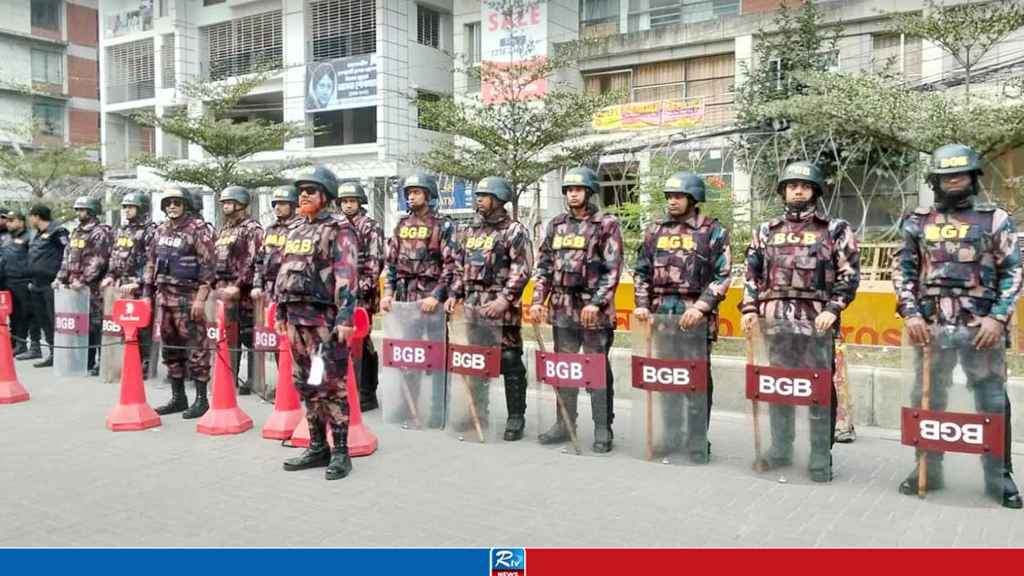
The government has deployed 27 platoons of the Border Guard Bangladesh (BGB) across the capital to ensure foolproof security during the funeral and burial of former Prime Minister and BNP Chairperson Begum Khaleda Zia. The funeral prayer (Janaza) is scheduled to take place after the Zuhr prayer today, Wednesday (December 31), at Manik Mia Avenue. Read More Khaleda Zia’s Funeral Today at 2 PM The Chief Adviser’s Office confirmed late Tuesday night that all logistical preparations for the massive gathering have been completed. Strict Security Measures To maintain law and order and ensure the smooth execution of the services, BGB personnel have been stationed at key points. BGB Public Relations Officer Md. Shariful Islam confirmed the deployment, noting that the 27 platoons are concentrated around: Evercare Hospital The National Parliament (Jatiya Sangsad Bhaban) area Zia Uddan In addition to the BGB, other law enforcement agencies are on high alert to manage the hundreds of thousands of mourners expected to attend the historic leader's final rites. Following the Janaza at Manik Mia Avenue, Begum Zia will be laid to rest with state honors at Zia Uddan in Sher-e-Bangla Nagar.
27 Platoons of BGB Deployed for Khaleda Zia’s Funeral and Burial
Special Assistant to Chief Adviser Prof. Md. Sayedur Rahman Resigns
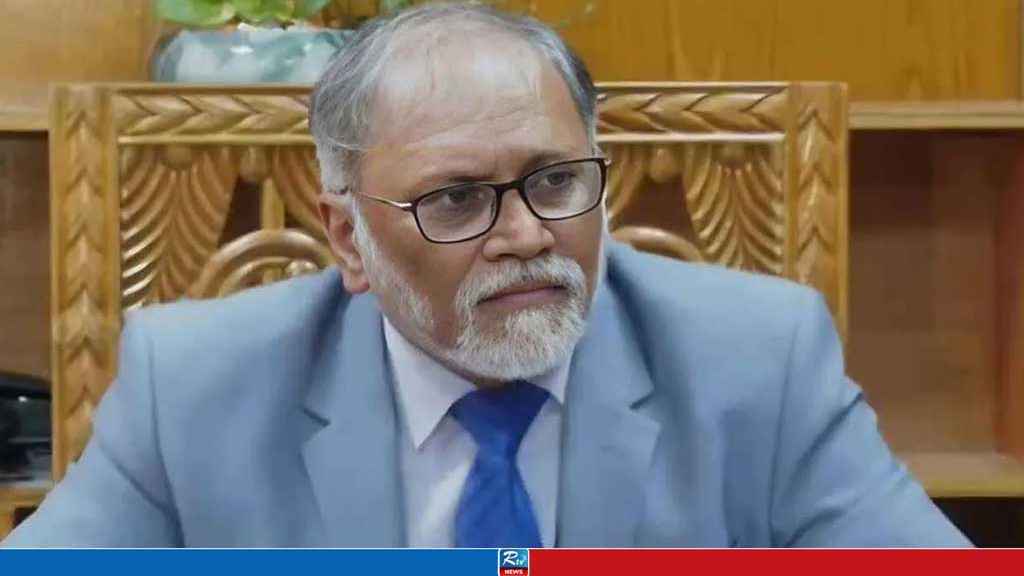
Professor Dr. Md. Sayedur Rahman, the Special Assistant to the Ministry of Health and Family Welfare (holding the rank of State Minister), has resigned from his post. He was one of three special assistants appointed by Chief Adviser Professor Muhammad Yunus. The President accepted his resignation letter on Tuesday night (December 30), according to a statement from the Chief Adviser's Press Wing. A notification issued by the Cabinet Division confirmed the development, stating that the President has accepted the resignation of Professor Dr. Md. Sayedur Rahman, who was entrusted with executive powers as a Special Assistant to the Ministry of Health and Family Welfare of the interim government. Context of Resignations The interim government had previously appointed three special assistants with the status of State Ministers to oversee key ministries: Prof. M. Aminul Islam: Appointed to the Ministry of Education; he resigned several months ago. Khoda Baksh Chowdhury: Former Inspector General of Police (IGP), appointed to the Ministry of Home Affairs; he resigned on December 25. Prof. Dr. Md. Sayedur Rahman: Vice-Chancellor of BMU, appointed to the Ministry of Health; he has now become the latest to step down. With Prof. Sayedur Rahman’s departure, all three initial special assistants appointed to these executive roles have now resigned from their positions.
Special Assistant to Chief Adviser Prof. Md. Sayedur Rahman Resigns
3-Day State Mourning for Khaleda Zia, Public Holiday Today
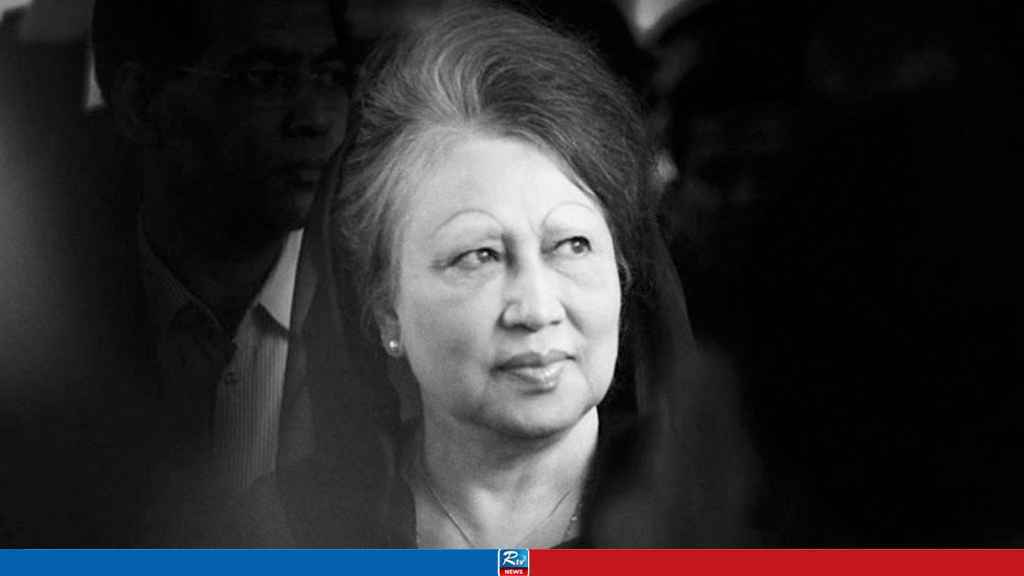
The government has declared three days of state mourning from Wednesday to Friday (December 31 to January 2) following the passing of BNP Chairperson and former Prime Minister Begum Khaleda Zia. Additionally, a nationwide public holiday has been announced for today. Cabinet Secretary Sheikh Abdur Rashid shared the information with journalists at the Secretariat on Tuesday (December 30). A formal notification was subsequently issued by the Cabinet Division. State Mourning and Honors The gazette notification stated that the interim government is deeply saddened by the death of the "uncompromising leader" of the movement to restore democracy. Read More Khaleda Zia’s Funeral Today at 2 PM To honor the memory of the three-time Prime Minister, the government has decided on the following: Duration: State mourning will be observed from Wednesday (December 31) through Friday (January 2, 2026). Flag Protocol: The national flag will be flown at half-mast at all government, semi-government, autonomous, and educational institutions, as well as private buildings and Bangladesh missions abroad. Special Prayers: Special prayers (Dua) for the departed soul will be held at all mosques across Bangladesh on Friday. Other religious institutions will also organize special prayers for her soul. Public Holiday and Exemptions In a separate notification from the Ministry of Public Administration, the government declared a general holiday today (Wednesday, December 31) by executive order. While all offices and private institutions remain closed, the following emergency services are exempt from the holiday: Electricity, water, gas, and fuel supplies. Fire services and port activities. Waste management and cleaning services. Telephone, internet, and postal services. Hospitals, emergency medical services, and vehicles carrying medicine or medical equipment. The notification added that Bangladesh Bank and the Supreme Court would issue specific instructions regarding the operations of banks and courts, respectively. Begum Khaleda Zia passed away at the age of 80 on Tuesday morning while undergoing treatment at Evercare Hospital in Dhaka.
3-Day State Mourning for Khaleda Zia, Public Holiday Today
Jaishankar to Attend Khaleda Zia’s Funeral
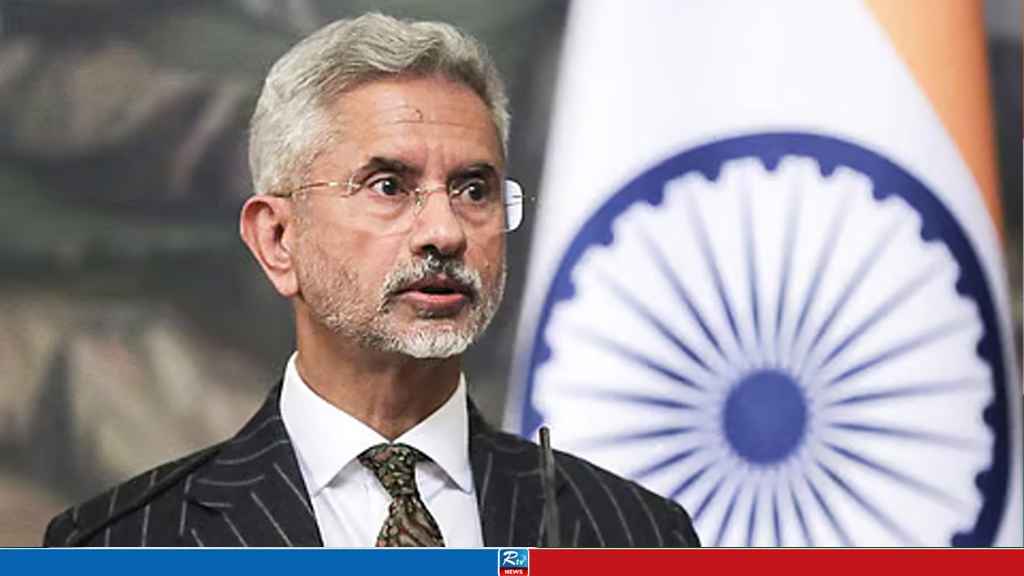
Indian External Affairs Minister, Dr S Jaishankar is to arrive in Dhaka tomorrow to attend the funeral of former prime minister and BNP chairperson Begum Khaleda Zia. “External Affairs Minister, Dr. S. Jaishankar will represent the Government and people of India at the funeral of Begum Khaleda Zia, former Prime Minister of Bangladesh and Chairperson of the Bangladesh Nationalist Party,” the Indian high commission in Dhaka said in a statement this evening. Begum Zia’s Janaza would be held after Zohr prayers while the high commission statement said Jaishankar would accordingly visit Dhaka on December 31. Indian Prime Minister Narendra Modi earlier in the morning expressed deep sorrow at Begum Zia’s demise, recalling her contributions to Bangladesh and bilateral relations. “Our sincerest condolences to her family and all the people of Bangladesh. May the Almighty grant her family the fortitude to bear this tragic loss,” he said. The Indian premier recalled her political legacy saying “as the first woman Prime Minister of Bangladesh, her important contributions towards the development of Bangladesh, as well as India-Bangladesh relations, will always be remembered”. “I recall my warm meeting with her in Dhaka in 2015. We hope that her vision and legacy will continue to guide our partnership,” Modi said.
Jaishankar to Attend Khaleda Zia’s Funeral
Chinese Ambassador Sends Condolences to Tarique Rahman Over Khaleda Zia’s Passin
Yao Wen, the Chinese Ambassador to Bangladesh, has expressed profound grief and condolences to BNP Acting Chairman Tarique Rahman following the death of former Prime Minister and BNP Chairperson Begum Khaleda Zia. The ambassador conveyed his sympathies in a formal letter sent to Tarique Rahman on Tuesday (December 30). The Chinese Embassy in Dhaka later shared the contents of the letter on their official Facebook page. In his message to Tarique Rahman, Ambassador Yao Wen wrote: "It is with deep sorrow and a heavy heart that I extend my profound condolences on the passing of your beloved mother, Khaleda Zia, the Chairperson of the BNP and former Prime Minister of Bangladesh." The ambassador’s gesture follows official diplomatic protocols, as Chinese Premier Li Qiang and Foreign Minister Wang Yi also sent separate condolence messages to Chief Adviser Professor Muhammad Yunus and Foreign Affairs Adviser Md. Touhid Hossain, respectively. A "Steadfast Pioneer" of Democracy Describing her legacy, Yao Wen noted that Khaleda Zia served as a long-standing symbol of democratic aspirations in Bangladesh and was a "steadfast pioneer" of the nation’s independence. "Her leadership played a pivotal role in shaping the country’s history, and her resilience inspired the people," the letter stated. The Ambassador further emphasized her role in international relations, calling her a "dear friend of the Chinese people" whose contributions left a lasting impact on bilateral ties. He noted that the people of China would remember her with "deep gratitude and the highest respect." Future Cooperation Looking forward, Ambassador Yao Wen assured the BNP Acting Chairman that the Communist Party of China (CPC) remains committed to maintaining its long-standing friendly relations with the BNP under Tarique Rahman's leadership. The letter concluded with a wish for the peace of Khaleda Zia’s soul, stating, "May her contributions to Bangladesh and the China-Bangladesh relationship be remembered forever."
Chinese Ambassador Sends Condolences to Tarique Rahman Over Khaleda Zia’s Passin
Read More
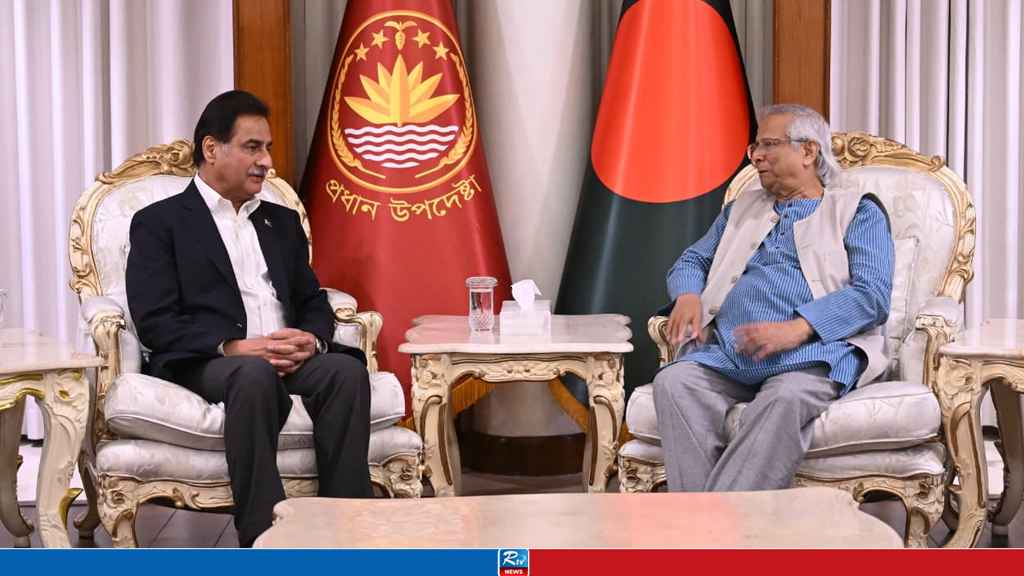
Pakistan’s National Assembly Speaker Calls on CA
CA, CJ and Other Dignitaries Join Namaz-e-Janaza of Begum Zia
Special Assistant to Chief Adviser Prof. Md. Sayedur Rahman Resigns
Chief Adviser to Address the Nation at Noon