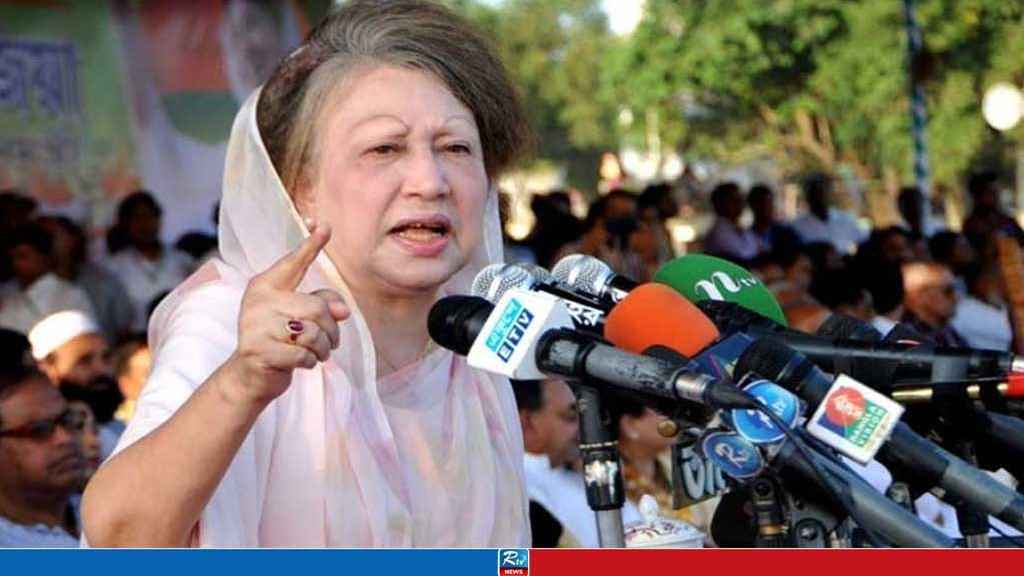
Begum Khaleda Zia, the first female Prime Minister in the history of Bangladesh, remained a central figure in the nation's politics for over four decades.
Following her passing at Evercare Hospital at 6:00 AM this Tuesday, the nation reflects on her remarkable journey from a private citizen to a pillar of the state.
The Early Years: 'Putul'
Long before she was a stateswoman, she was born Khaleda Khanam. To her family and close relatives, she was affectionately known by her nickname, "Putul." In 1960, while her husband, Ziaur Rahman, was serving as a Captain in the Pakistan Army, they were wed.
According to her sister, Selina Islam, it was after her marriage that she adopted the name Khaleda Zia, aligning it with her husband’s name. However, it was only upon her entry into the political arena that the name became a household staple.
The Reluctant Politician
In 1981, when BNP founder and President Ziaur Rahman was assassinated, Khaleda Zia was 36 years old. At the time, she was a traditional homemaker, entirely devoted to raising her two sons, Tarique Rahman and Arafat Rahman
Her sister, Selina Islam, recalls that Khaleda Zia had no initial aspirations for a political career. Even during Ziaur Rahman’s presidency, she remained strictly behind the scenes, never engaging in political activities or public policy.
It was only the vacuum left by her husband's death and the persistent demands of party activists that eventually drew her into the public eye.
A Life of Hardship and Resilience
Khaleda Zia’s later years were marked by significant physical and political struggle. During the 16-year rule of the Awami League, she faced what her supporters describe as systematic persecution and imprisonment.
Denied access to advanced medical care for years, she developed a suite of chronic illnesses, including heart disease, diabetes, liver cirrhosis, and kidney complications.
Though granted conditional release during the pandemic, she remained confined to her Gulshan residence, "Firoza," for years.
The Final Transition
Her official freedom was restored on August 6, 2024, following the student-led mass movement and the departure of Sheikh Hasina. Despite seeking specialized treatment in London earlier this year and returning with some improvement in May, the cumulative impact of her long-term illnesses and age proved terminal.
She was admitted to Evercare Hospital on November 23, where she spent her final month under medical supervision before her death this morning.



 Live TV
 RTV Plus