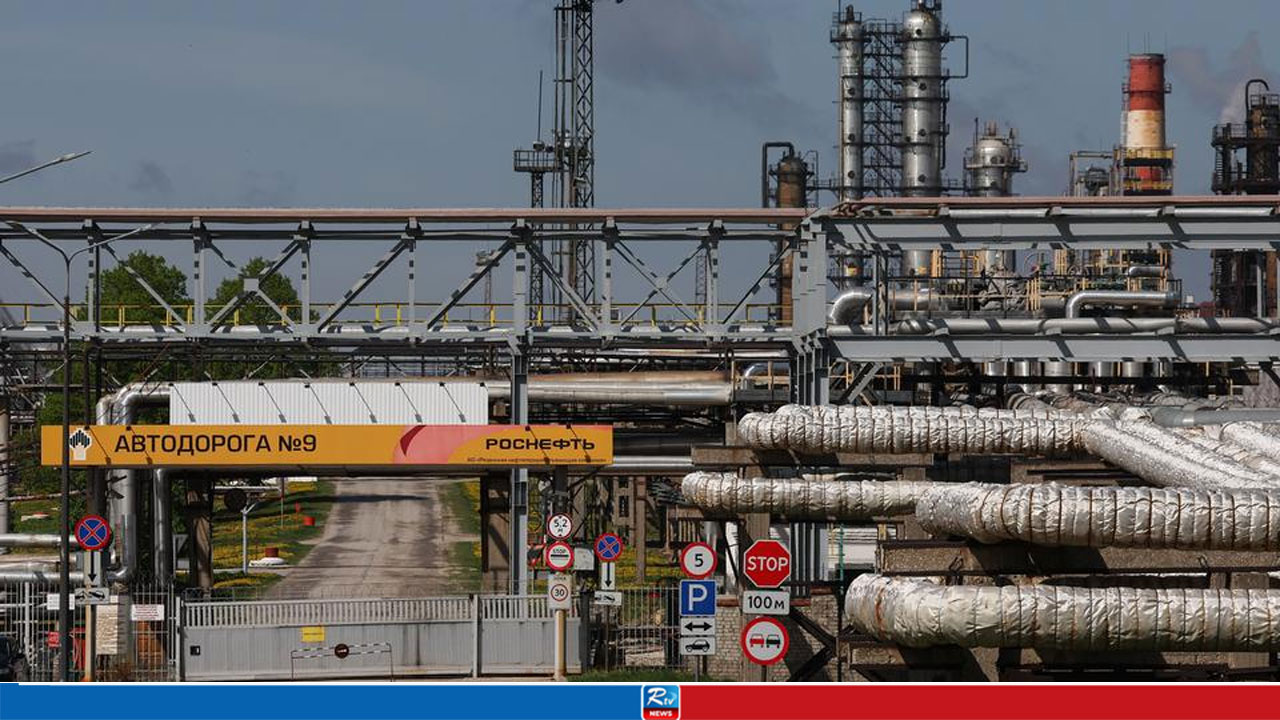
In a decisive procedural step, the US Senate has advanced bipartisan legislation aimed at ratcheting up economic pressure on Russia through stringent sanctions and authorizing President Donald Trump to impose tariffs reaching as high as 100 percent on top importers of Russian oil and gas, including India and China.
The draft measure, which incorporates expanded punitive provisions against Iran's weapons and energy sectors at President Trump's request, cleared a major procedural hurdle in an 86-12 vote, easily exceeding the 60-vote threshold necessary to move forward. The action saw near-unanimous support from Senate Republicans alongside a majority of Democrats.
The vote unfolded shortly after lawmakers paid tribute to the late Senator Lindsey Graham, who had dedicated over a year to constructing bipartisan consensus around the legislation.
The Senate's action also coincided with a Capitol Hill appearance by Ukrainian President Volodymyr Zelensky, who traveled to Washington to honor the late senator—a prominent critic of Moscow's aggression—and met with lawmakers.
Under its current provisions, the legislation levies targeted penalties against Russian officials, prominent oligarchs, financial institutions, and maritime vessels comprising the "shadow fleet" utilized by Moscow to circumvent international oil export caps.
Crucially, the bill empowers President Trump to slap tariffs of up to 100 percent on commercial imports from the world's five largest purchasers of Russian crude or natural gas, a group that prominently features China and India.
The statutory language includes specific carve-outs for nations that obtain under 15 percent of their natural gas supplies from Russia and are actively executing plans to diminish their energy reliance on Moscow.
Formally named in memory of Senator Graham, the refined text reflects an agreement reached between the White House and the late lawmaker shortly prior to his passing earlier this month.
Proponents argue that the framework will effectively drain Russia's energy revenue streams, directly curtailing President Vladimir Putin's capacity to finance the ongoing war in Ukraine as the conflict enters its fifth year.
"There is no greater way to honor Senator Graham's legacy than to move forward with this bipartisan agreement," declared a coalition of six Democratic and Republican senators in a joint statement.
Despite broad congressional agreement on the necessity of penalizing Moscow, a segment of Democratic lawmakers has raised alarms regarding the potential expansion of executive authority.
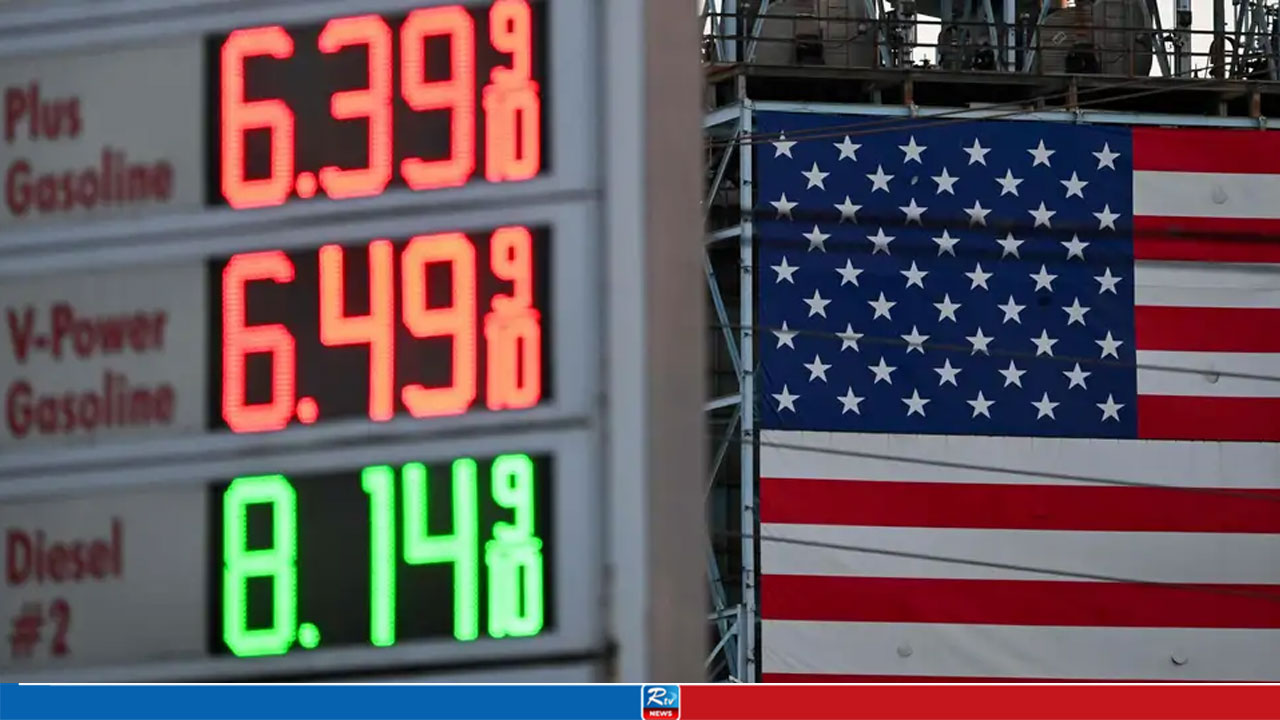
Opponents warn that granting broad tariff powers could inflate consumer prices inside the United States while inadvertently straining relations with European allies.
The bill must now navigate final Senate passage before being taken up by the House of Representatives.
However, with the House having already adjourned for its summer recess, formal consideration is unlikely to occur before lawmakers return in September.





 Live TV
 RTV Plus