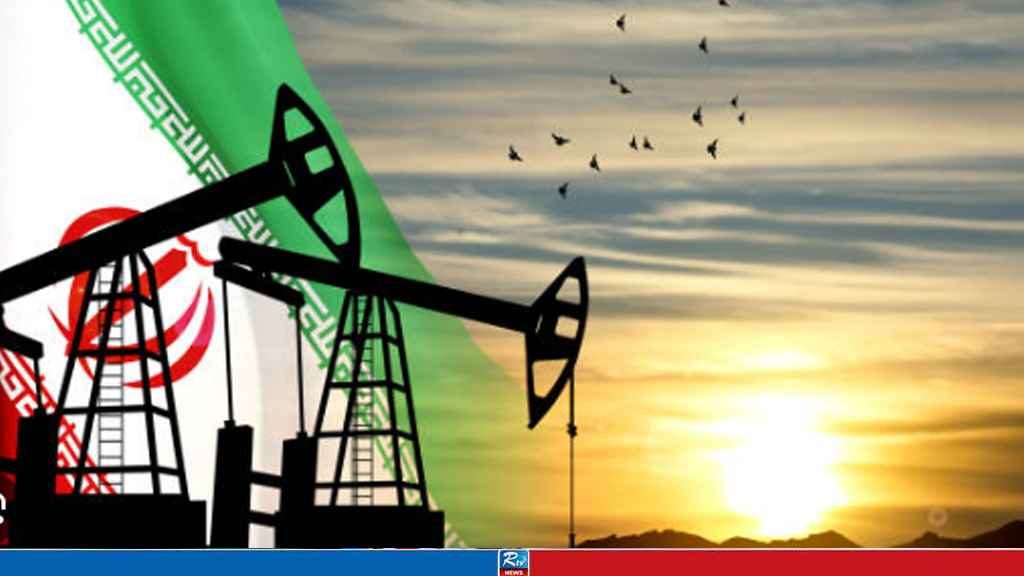
In a major enforcement action, the United States has imposed sanctions on over 50 entities and ships for actively aiding Iran’s illicit petroleum trade.
The enforcement network explicitly targeted by the US Treasury includes shipments that reached South Asian countries, notably Bangladesh and Sri Lanka.
The US Treasury’s Office of Foreign Assets Control (OFAC) announced the measures as part of Washington's ongoing "maximum economic pressure" campaign aimed at degrading Iran’s cash flow and cutting off funding to designated terrorist groups.
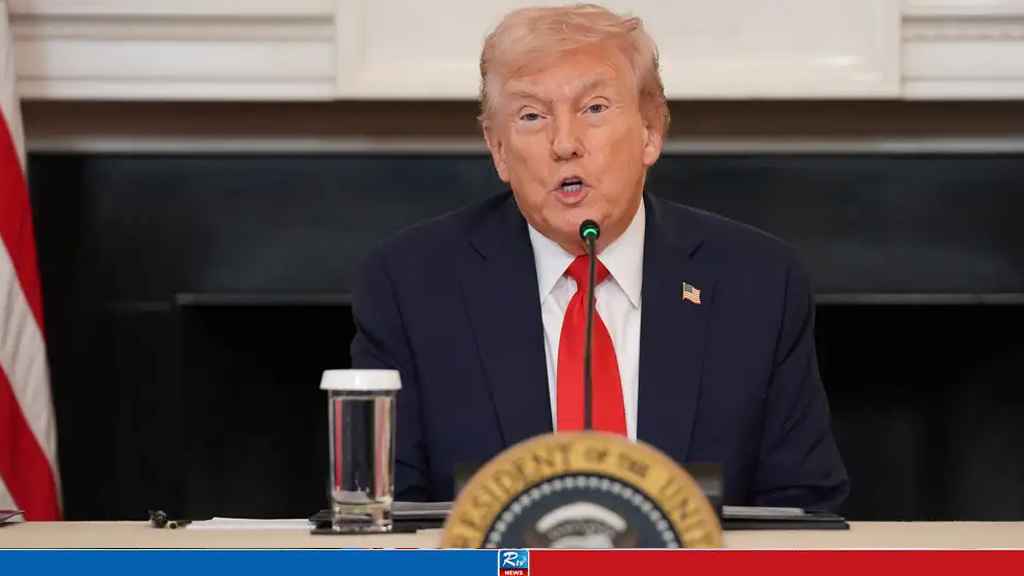
Treasury Secretary Scott Bessent stated that the new sanctions aim to dismantle Iran's "energy export machine."
Bangladesh Shipments Named in Action
The Treasury Department’s statement cited two specific Iranian LPG deliveries to Bangladesh that involved newly sanctioned vessels and entities:
In early 2025, the Panama-flagged vessel Gas Dior delivered over 17,000 tonnes of Iranian LPG to Bangladesh for Octane Energy FZCO, which has also been sanctioned.
In late 2024, the Comoros-flagged vessel Ada (formerly Captain Nikolas) carried Iranian LPG to several customers in Bangladesh.
This vessel, which caught fire at Chattogram Port last year, and its owner are now listed as "blocked property" under the sanctions.
The network also includes UAE-based firms like Slogal Energy DMCC and Markan White Trading Crude Oil Abroad Co LLC, accused of facilitating Iranian LPG shipments to South Asia since 2024.
Global Implications
The newly sanctioned firms, which are based in the UAE, Hong Kong, the Marshall Islands, and China, are accused of concealing the oil's origin through "shadow fleet" operations—including vessel-to-vessel transfers and shell companies.
Two Chinese firms, Shandong Jincheng Petrochemical Group and Rizhao Shihua Crude Oil Terminal, were also targeted for importing Iranian crude.
While no Bangladeshi company or government body was named, the mention of these deliveries signals Washington's intent to expand enforcement against intermediaries across Asia.
Under US law, foreign firms involved in sanctioned trades risk secondary sanctions, including exclusion from the US financial system.
Analysts warn the move may disrupt parts of the South Asian fuel trade and force local importers to recheck their supply channels for spot LPG purchases.







 Live TV
 RTV Plus