
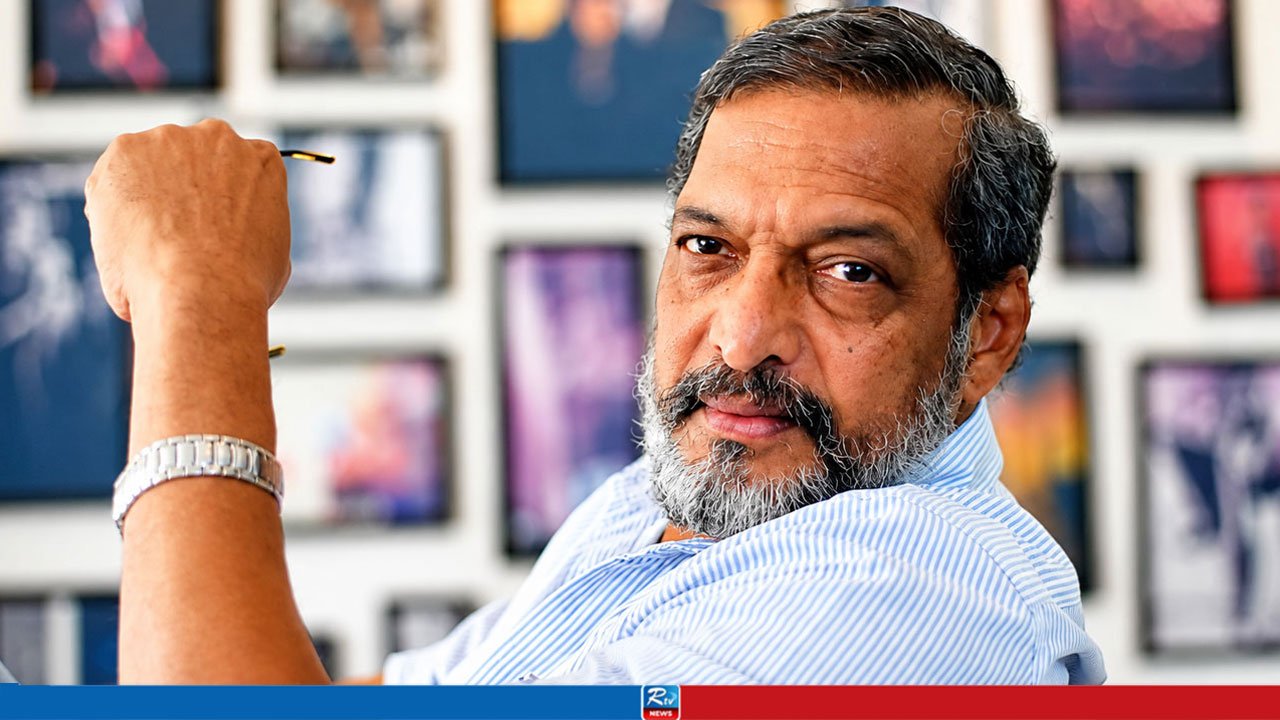
From sold-out comedy specials to award-winning scripted television, Palestinian-American creator Mo Amer is transforming the entertainment landscape by centering his storytelling on the raw, often humorous realities of his own life. It is a creative choice that has struck a profound chord with global audiences and critics alike.
Amer, a comedian, writer, and actor, has gained significant acclaim for his Netflix series “Mo.” The show’s second season continues the journey of the fictional Mo Najjar and his family as they navigate the bureaucratic and emotional labyrinth of seeking asylum in the United States after fleeing Palestine as refugees. The series is a cornerstone of a growing movement led by Arab and Muslim American voices who are moving beyond tired Hollywood tropes to explore identity with unprecedented depth and realism.
Amer believes that grounding stories in authentic cultural experiences makes them universally relatable. In the latest season, the protagonist is seen operating a falafel taco stand in Mexico—a plotline born from a failed attempt to recover stolen olive trees, which represent his family’s dream of starting an olive oil business.
The series has been a critical triumph; its first season earned the prestigious Peabody Award, and Amer’s third Netflix stand-up special, “Mo Amer: Wild World,” debuted to strong reviews this past October. While the show’s timeline concludes before the events of October 7, 2023, it unflinchingly addresses the complexities of Israeli-Palestinian relations, the humanitarian crisis in Gaza, and the harsh realities of U.S. immigration detention centers.
The success of “Mo” coincides with a broader diversification of Muslim-led content. Other recent programs include “Muslim Matchmaker,” which explores the nuances of faith-based dating, and the animated series “#1 Happy Family USA.” Created by Ramy Youssef and Pam Brady, the latter focuses on an Egyptian-American family in New Jersey navigating the aftermath of the 9/11 attacks.
Media scholars point out that for decades, portrayals of Arabs and Muslims were dictated by political agendas. Post-9/11 television frequently cast Muslims as villains or relied on "orientalist" imagery that viewed Middle Eastern culture through a colonial lens. Experts argue that while recent shows represent significant progress, there is still an urgent need for more diverse decision-makers in Hollywood boardrooms.
Research indicates that these shifts in representation have real-world consequences, often reducing public support for anti-Muslim policies by humanizing a community long marginalized by the media.
For Amer, the biggest obstacles are no longer the lack of talent or stories, but the "gatekeepers" who greenlight projects. While he views the current success of Muslim-led shows as a promising sign, he insists it is only the beginning of a much larger journey toward true inclusivity.
Source: AP





 Live TV
 RTV Plus


