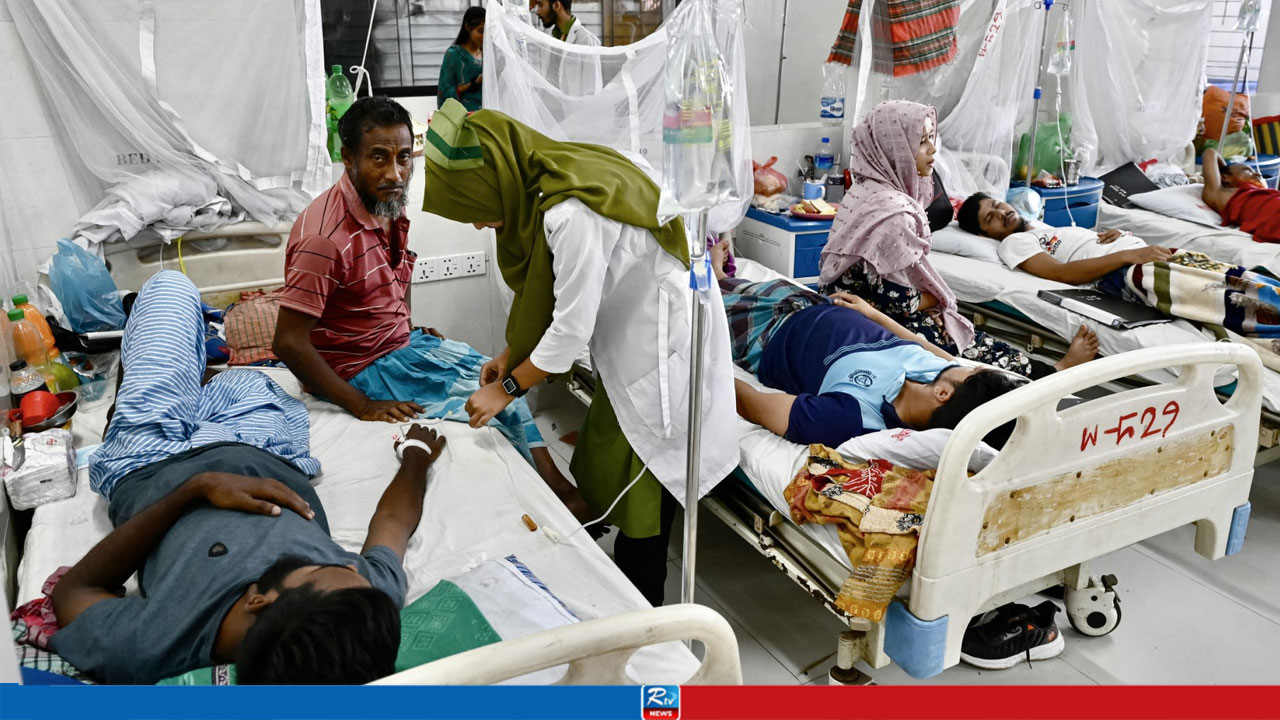
More than 94 million people globally are suffering from cataracts, and over half of them lack access to necessary surgical procedures, according to the World Health Organization (WHO).
Reports from AFP indicate that while cataracts are a leading cause of blindness, the solution remains one of the most cost-effective and successful medical interventions available.
A Simple Solution to a Global Crisis
The WHO defines a cataract as the clouding of the eye's natural lens, which typically occurs with age. If left untreated, it leads to permanent blindness. Experts emphasize that:
Procedure: Cataract surgery is a simple, safe, and affordable 15-minute procedure.
Result: It can rapidly and permanently restore vision.
Regional and Gender Disparities
Stuart Keel, the WHO’s technical lead for eye care, highlighted a staggering gap in service delivery. The situation is most critical in the Africa region, where three out of every four people requiring surgery do not receive it.
Specific concerns raised include:
Kenya: Approximately 77% of those needing surgery are at risk of living out their lives with visual impairment or total blindness.
Gender Bias: Globally, women receive cataract treatment less frequently than men, reflecting a significant inequality in healthcare access.
The Call for Equity
The WHO reports that while fewer than 20% of those affected are completely blind, the vast majority suffer from severe vision impairment that hinders their daily lives and economic productivity.
The organization is calling for urgent global action to ensure accessible and equitable eye care for all, regardless of geography or gender, to eliminate preventable blindness.





 Live TV
 RTV Plus