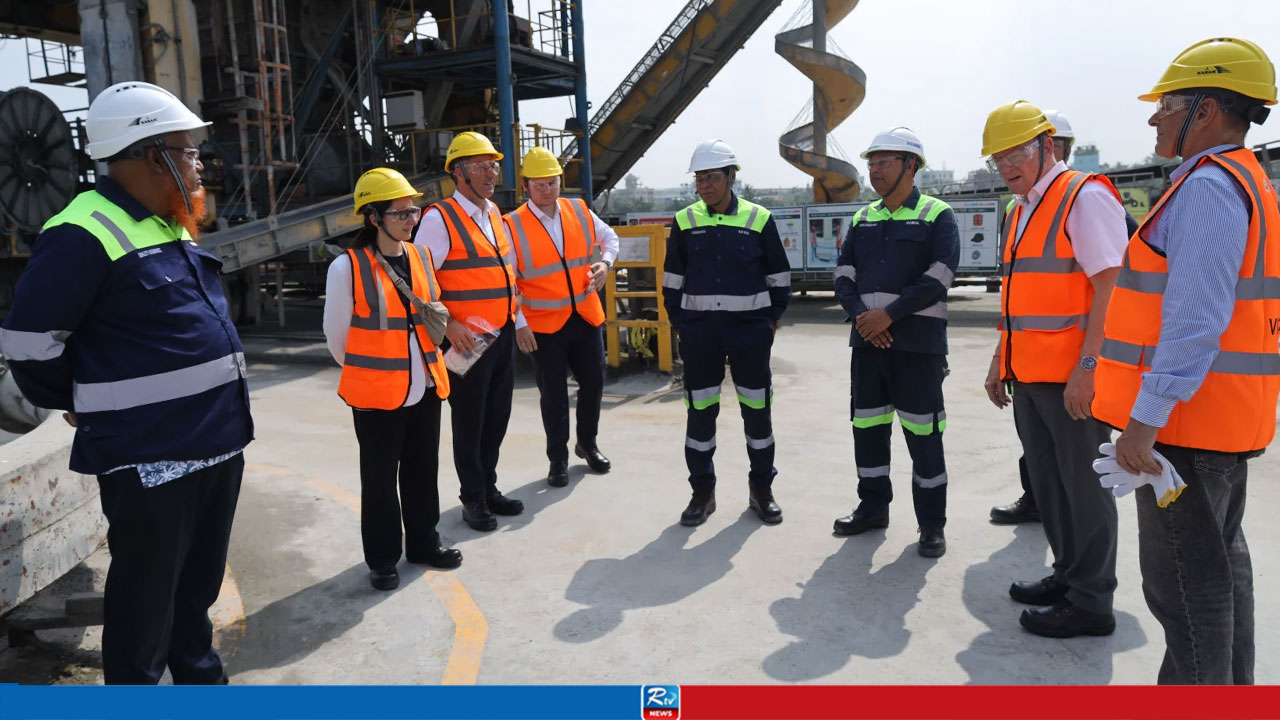
German Foreign Minister Johann Wadephul has hailed the successful conclusion of the European Union–India Free Trade Agreement (FTA) as a transformative milestone for global commerce.
In a statement shared widely by diplomatic channels, Wadephul described the pact as a "strong sign" of a deepening partnership that offers immense opportunities for economic diversification and growth, noting that nearly two billion people stand to benefit from the resulting prosperity.
The agreement, dubbed the "mother of all trade deals" by European Commission President Ursula von der Leyen, marks the end of negotiations that began nearly two decades ago.
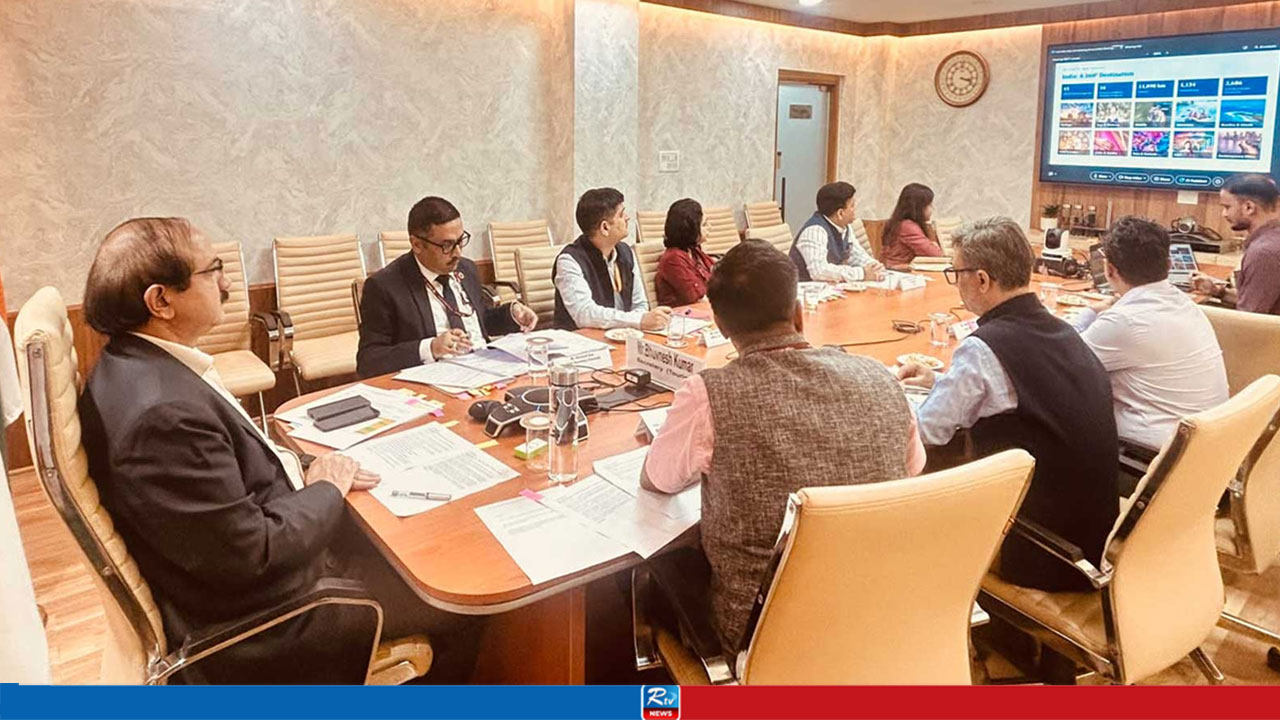
The breakthrough was finalized during a high-profile state visit to New Delhi, where Prime Minister Narendra Modi held extensive discussions at Hyderabad House with von der Leyen and European Council President António Costa.
The pact aims to eliminate or significantly reduce tariffs on over 90 percent of goods, a move expected to save European exporters up to 4 billion euros annually while granting India unprecedented access to the European market.
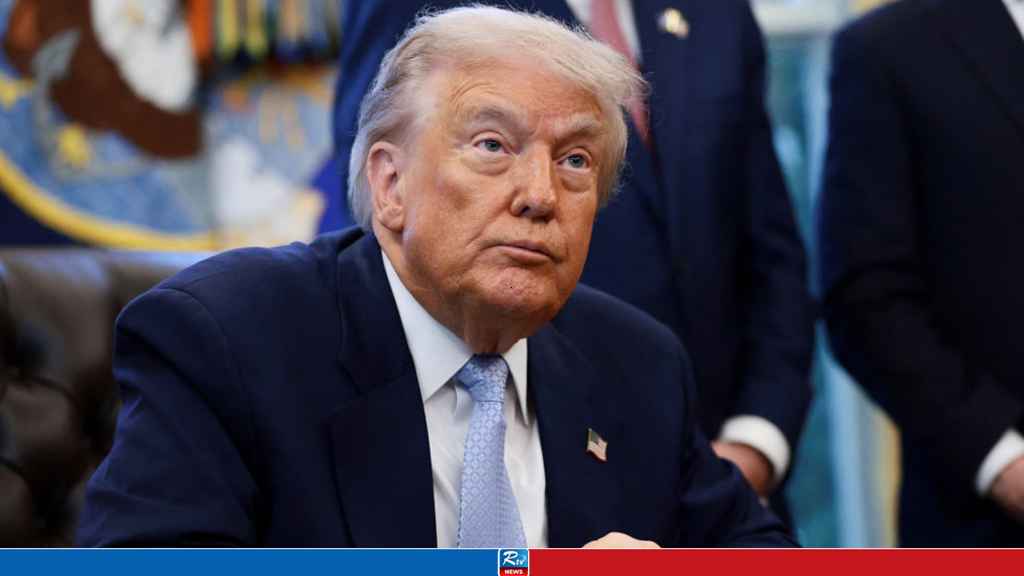
The timing of the deal is strategically significant, occurring amidst heightened global trade tensions and the implementation of aggressive tariff policies by the Trump administration in the United States.
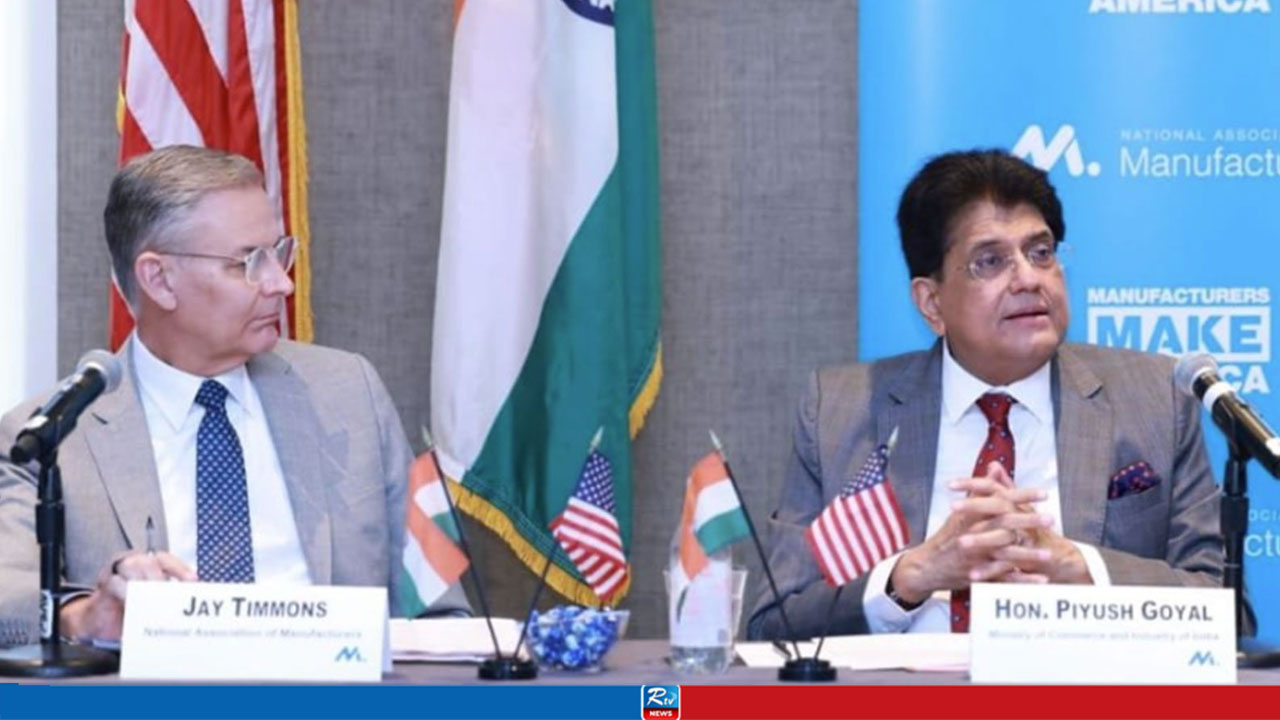
While the EU and India move toward a duty-free trade zone, Washington has expressed sharp reservations. US Treasury Secretary Scott Bessent criticized the agreement, suggesting that it allows European nations to indirectly finance the conflict in Ukraine by purchasing refined oil products from India that originated in Russia.
Despite these objections, EU officials emphasized that the pact includes robust chapters on sustainable development, intellectual property, and secure supply chains.
The formal signing of the FTA is expected within the next six months, with implementation potentially beginning in early 2027.
Once operational, the agreement will not only slash duties on sectors ranging from machinery and aerospace to wine and spirits but will also simplify customs procedures and enhance mobility for students and skilled professionals.
For India, the deal provides a critical buffer against market volatility and strengthens its position as a global manufacturing hub, placing its exporters on equal footing with major regional competitors.
Source: ANI






 Live TV
 RTV Plus