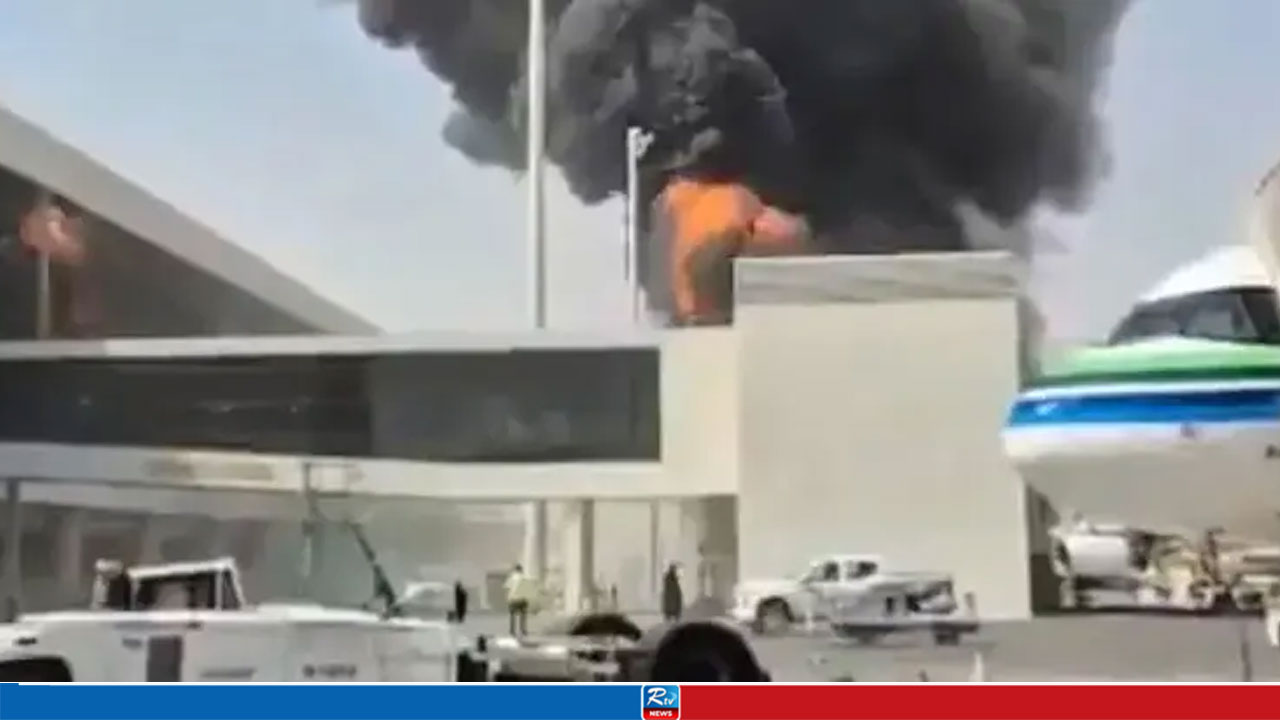
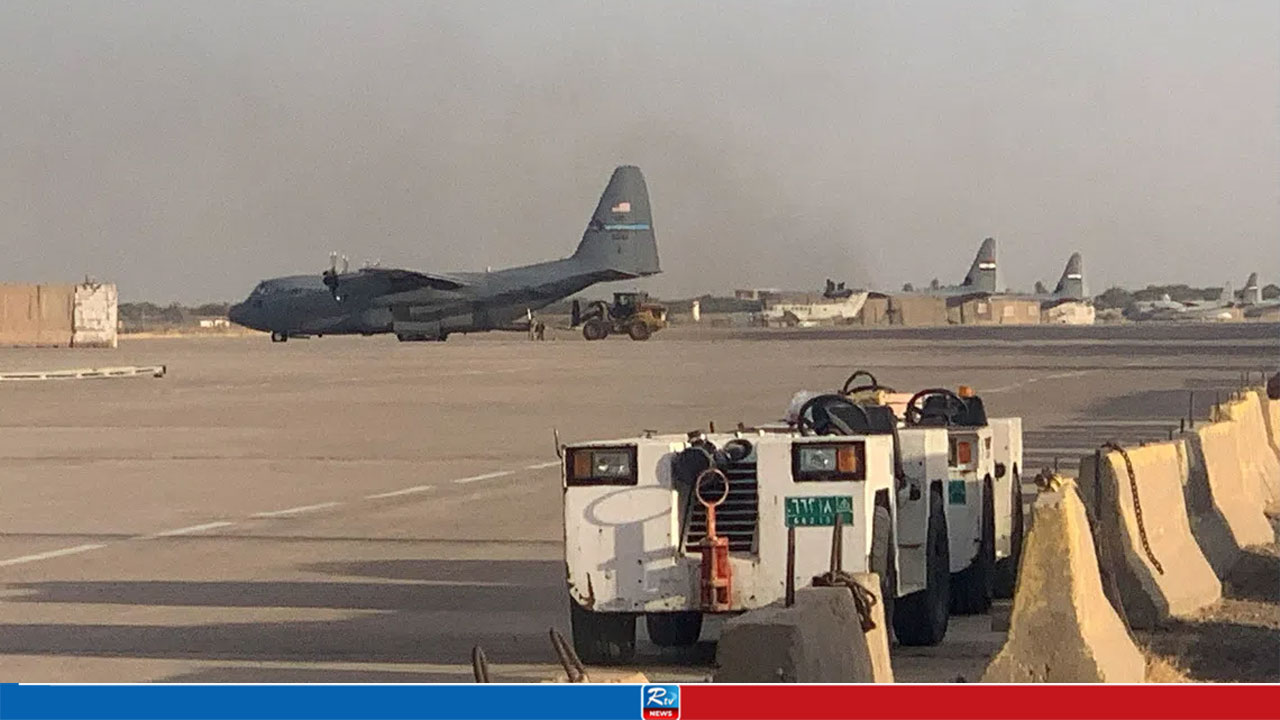
A burgeoning global fertilizer crisis triggered by the ongoing war in Iran is threatening to destabilize food prices and crop yields worldwide.
Following USand Israeli airstrikes, Tehran’s near-total shutdown of the Strait of Hormuz has choked off essential supply lines for nitrogen and phosphate, leaving farmers in the Northern Hemisphere struggling as the critical planting season begins.
The blockade of the Strait—a passage that typically handles nearly a third of the global fertilizer trade—has particularly devastated the supply of urea.
Liquefied natural gas (LNG), a key ingredient for nitrogen production, has seen prices skyrocket, leading to a 30% restriction in global urea trade.
Experts warn that even if the conflict ends, security concerns and surging insurance costs will likely hinder a swift recovery of Gulf shipments.
The impact is being felt acutely in developing nations. In Ethiopia, which relies on the Gulf for 90% of its nitrogen, the planting window is closing without necessary inputs.
In India, the government has budgeted USD 12.7 billion for urea subsidies to protect smallholders, yet domestic plants are running below capacity due to gas shortages.
Meanwhile, in East Africa, a one-week window of dry weather has left millions of farmers unable to fertilize their fields, a delay that researchers suggest could slash maize yields by 4% per season.
Even in the United States and Europe, the crisis is forcing difficult choices.
With grain prices lower than they were during previous global shocks, farmers face tighter margins and may be forced to switch to less fertilizer-intensive crops like soybeans or reduce applications entirely, which inevitably leads to lower yields.
With major producers like China prioritizing domestic supply and Russian plants already at full capacity, there are few alternative sources to fill the gap.
As the World Food Program warns of potential crop failures and higher consumer prices next year, some advocates are calling for a shift toward organic fertilizers and agroecology to reduce dependence on volatile energy-linked supply chains.
For now, however, the global food system remains precariously tethered to a stable fertilizer supply that is currently under siege.
Source: AP






 Live TV
 RTV Plus