Global oil prices have spiked following reports that the United States is preparing to impose "long-term" blockades on Iran. On Wednesday, Brent crude briefly surged past $122 per barrel—the highest level since 2022—before settling at $120 on Thursday morning.
White House Strategy and Market Reaction
The price hike follows a high-stakes meeting Tuesday at the White House between President Donald Trump and top energy executives, including Chevron CEO Mike Wirth.
While the administration framed the talks as a routine discussion on domestic production and natural gas, market analysts interpreted the meeting as a signal that the closure of the Strait of Hormuz may be prolonged.
The Wall Street Journal reports that President Trump has directed officials to prepare for an extended blockade of Iranian ports to maximize economic pressure.
Tehran countered by reiterating its commitment to obstructing maritime traffic through the Strait, a vital artery through which nearly 20% of the world’s oil and liquefied natural gas flows.
Standoff in the Strait
Volatility has defined the energy market since the conflict began on February 28. In response to U.S. and Israeli military actions, Iran imposed strict controls on the Strait of Hormuz, warning that any approaching vessels could be targeted.
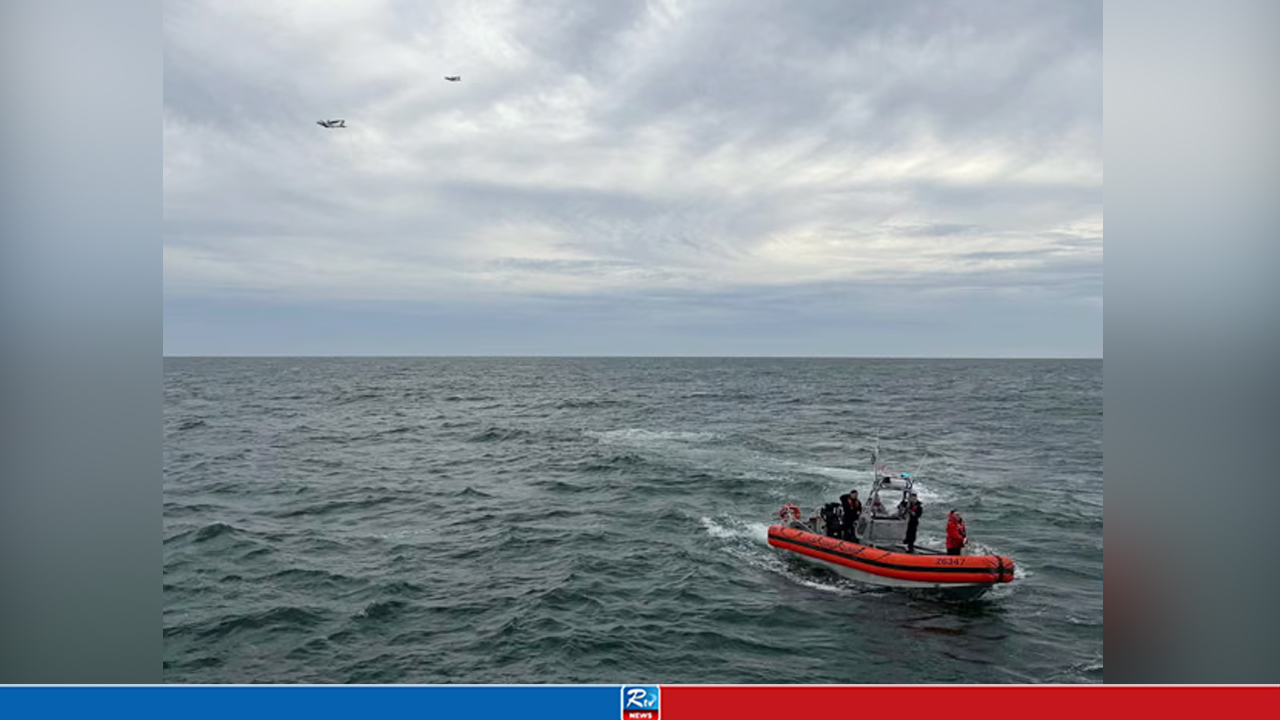
The U.S. subsequently declared it would intercept or turn back any ships traveling to or from Iranian ports.
Despite these tensions, a BBC Verify analysis confirmed that at least four vessels departing from Iranian ports managed to bypass the U.S. blockade.
While Brent prices had briefly dipped to $90 per barrel following the Israel-Lebanon ceasefire on April 17, they have climbed steadily over the last 12 days as the naval blockade remains firmly in place.
Iran’s Economy at a Breaking Point
The sustained pressure has plunged Iran into a severe economic crisis. According to the Statistical Center of Iran:
Inflation: Annual inflation has skyrocketed to 53.7%.
Currency: The Rial has hit record lows against the dollar.
Employment: The Iranian government disclosed last week that approximately 2 million people have lost their jobs, directly or indirectly, due to the war.
In a post on Truth Social, President Trump urged Tehran to make a "smart decision soon," suggesting that the regime is struggling to maintain its footing.
Analysts suggest Trump is opting for economic strangulation over renewed bombardment to avoid the risks associated with total military escalation.
Global Financial Impact
The World Bank has warned that even if major disruptions end by May, energy prices could rise by up to 24% in 2026—the sharpest increase since the start of the Ukraine war.
The news sent ripples through global markets yesterday:
UK: FTSE 100 dropped by 1.2%.
France: CAC fell 0.39%.
Germany: DAX declined 0.27%.
Asia: Markets showed slight upward movement despite European losses.
Kathleen Brooks, Research Director at XTB, noted that "Financial markets are now pricing in the reality that sanctions and blockades on Iran are likely to be a long-term fixture."
Source: BBC







 Live TV
 RTV Plus