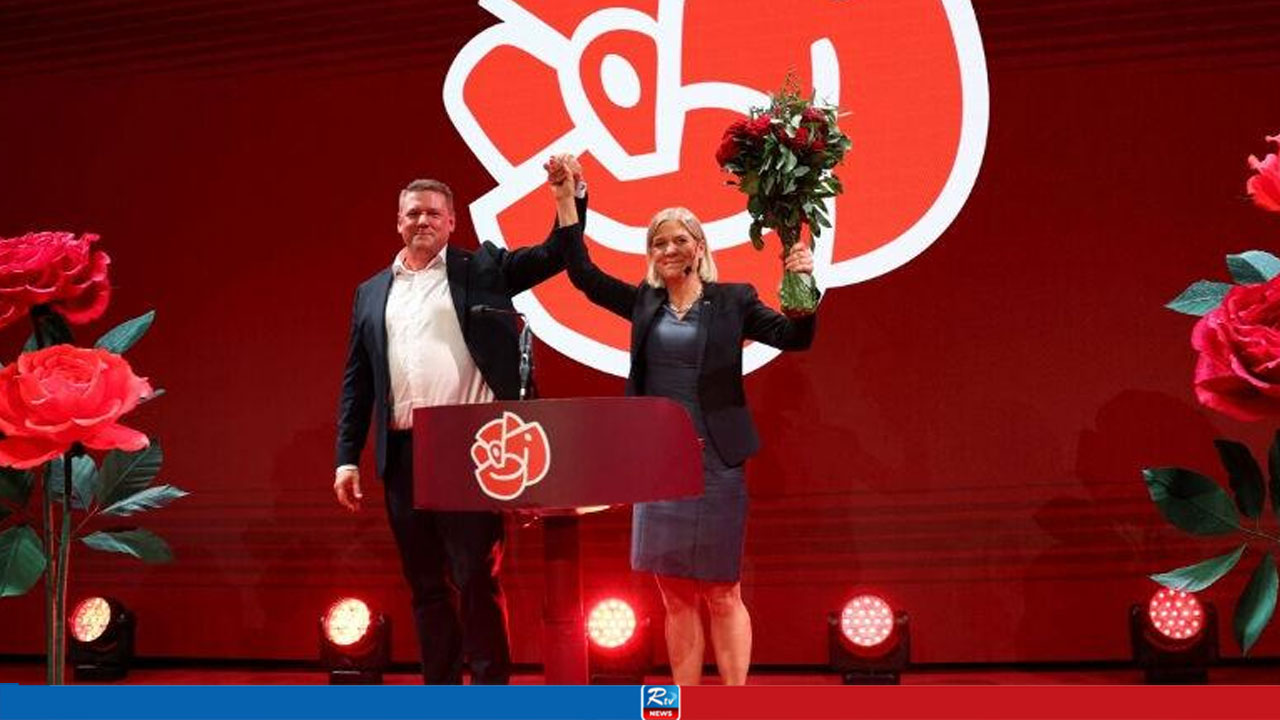
Sweden's left-wing opposition clinched a razor-thin parliamentary majority following Thursday's finalized general election vote count, setting the stage for protracted coalition formation talks.
Magdalena Andersson's four-party left bloc secured a slim three-seat edge within the 349-seat Riksdag over outgoing Prime Minister Ulf Kristersson's right-wing alliance (anchored by the anti-immigration Sweden Democrats), separated by roughly 50,000 votes nationwide among 10.6 million inhabitants.
Factional ideological fractures within the left alliance—comprising the Social Democrats, Left Party, Greens, and Centre Party—will rigorously test Andersson.
The 59-year-old former prime minister (2021–2022) and seven-year finance chief faces acute friction reconciling the socialist Left Party's demand for cabinet seats against the liberal Centre Party's veto of ministerial berths for the Left, alongside Andersson's own preference for parliamentary support over formal Left inclusion.
Prolonged bargaining could span weeks. Should Andersson falter, Kristersson—who resigned following the outcome—stands ready to probe non-socialist majority options, targeting the kingmaker Centre Party despite its hardline stance against far-right Sweden Democrat dominance.
Parliamentary prime ministerial voting opens September 29 at the earliest. Historical timelines reflect government formation periods of 37 days (2022) and 134 days (2018).
Spanish Prime Minister Pedro Sanchez celebrated the result via X, citing voter endorsement of welfare, social justice, and green policies.
Electoral shifts saw historic lows for the dominant Social Democrats at 28.0% (marking a century-worst baseline), while the Sweden Democrats suffered their inaugural vote share contraction since entering parliament in 2010, sliding three points to 17.5%.
Source: AFP





 Live TV
 RTV Plus