Pakistani Prime Minister Shehbaz Sharif also took aim at India in his speech as he discussed the limited military clashes between the uneasy neighbors last year.
"A year ago, Pakistan faced external aggression from India under a false pretext," the prime minister alleged. "Pakistan exercised its inherent right of self-defense under Article 51 of the United Nations charter."
He praised the country's military saying, "They silenced the enemy, repulsed its attack, and taught it a lesson it shall never ever forget," as the UN's TV feed cut to an Indian observer in the assembly shaking his head as he listened.
Pakistan considers Indian missile strikes on May 7 to be the start of the low-level conflict, that ran for less than a week, while India contends that the strikes were retalliation for an attack in Indian-administered Jammu and Kashmir in late April. New Delhi had accused Pakistan of supporting cross-border terrorism, which Islambad denied.
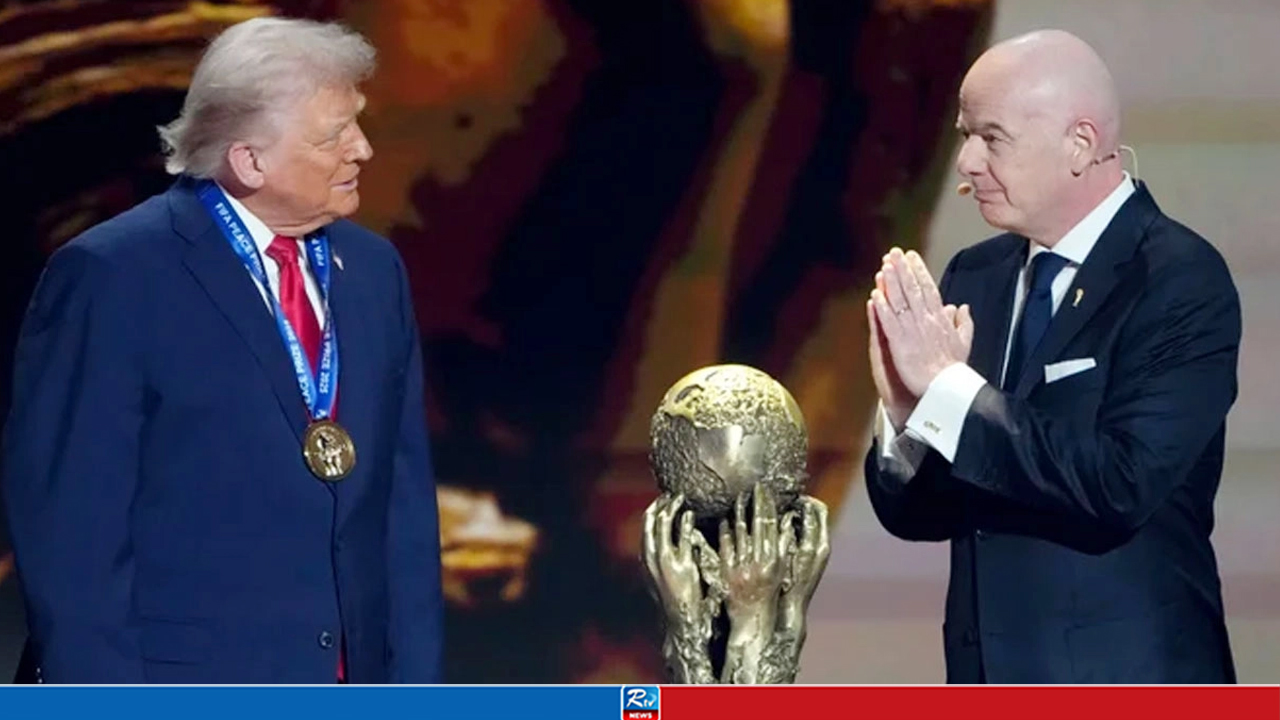
Sharif praised US President Donald Trump's "resolute and visionary leadership," crediting it with saving "hundreds of millions of lives in South Asia" by intervening and helping to broker a truce "when two nuclear neighbors stood at the brink of all-out war."
Sharif asked "who knows the extent of devastation that could have taken place" without Trump's "clarity of thought and action" at a critical moment.
He said it was necessary to ensure that South Asia "never reaches this precipice again," and said that doing so would require "a just and fair resolution of the Kashmir dispute."
He said Kashmiri people had been waiting eight decades for the UN to "fulfill its solemn commitment of a free and impartial plebiscite under its auspices." He also criticized recent "attempts to alter the legal status of Jammu and Kashmir through demographic reengineering and other illegal measures."
He also criticized India for its decision to hold a treat on the Indus River System in abeyance, saying this move had "no legal basis whatsoever."





 Live TV
 RTV Plus