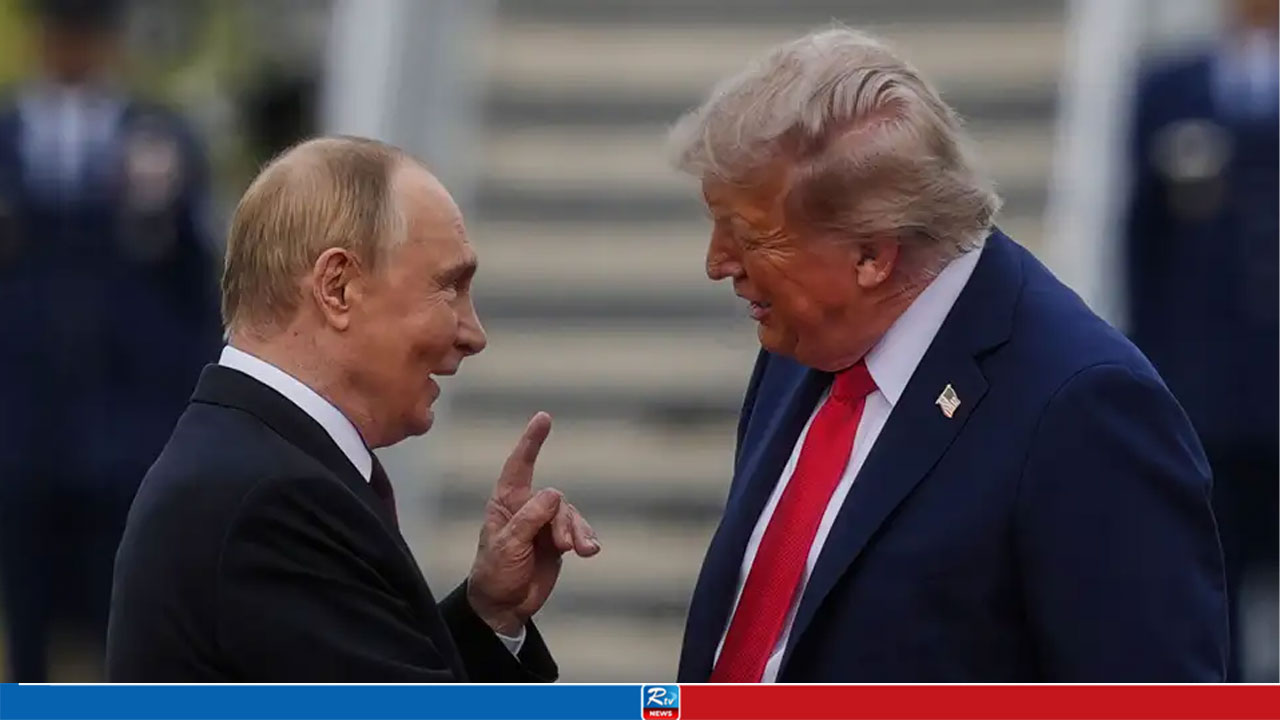
US President Donald Trump on Friday said Russian President Vladimir Putin had agreed to release Russian diesel to US and global markets.
The move, which aims to address rising fuel costs before the US midterm elections, marks a dramatic turnaround in US policy toward Moscow since the start of the war in Ukraine.
In a social media post, Trump wrote he had made a deal with Putin during a phone call that was supposed to be about a suspected plague outbreak in Russia.
What did Trump say?
According to Trump, Russia would immediately supply more than 300,000 tons of diesel, followed by an additional 500,000 tons in November and 1 million tons "immediately thereafter."
Trump wrote that Russia would deliver another 3 million tons "within a short period of time" after that.
The US Treasury Department issued a temporary license that will allow Russian diesel to reach global markets through April 2027.
Trump's announcement follows his signing of a broad Russia sanctions law last month. The law is intended to clamp down on Russia’s energy sector and other areas that fuel its war against Ukraine.
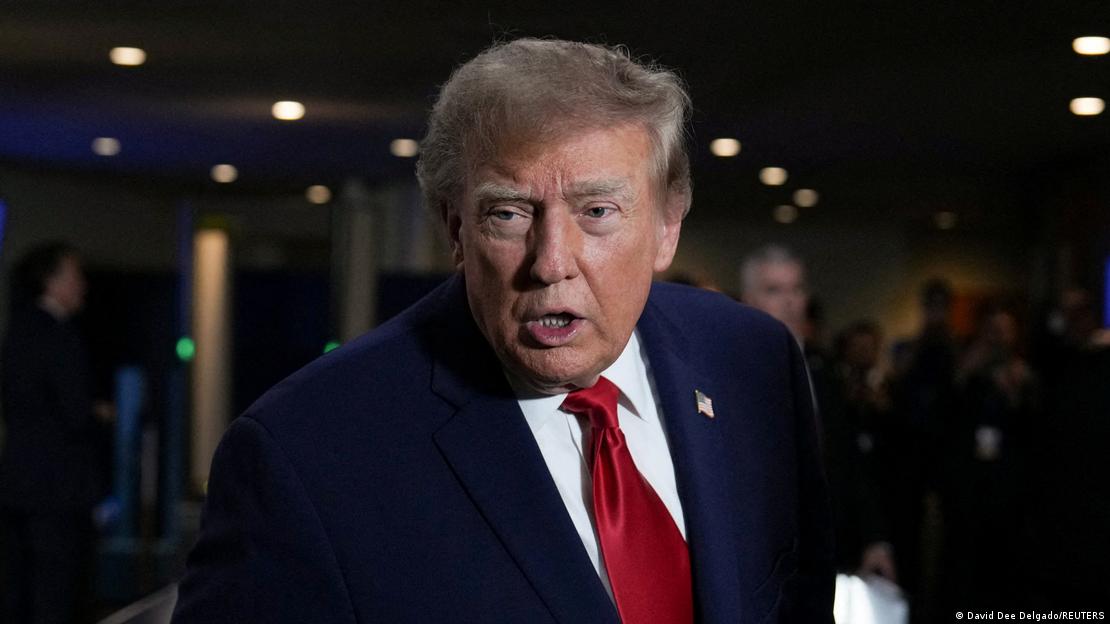
What did Russian officials say?
Kirill Dmitriev, the Russian presidential envoy, reposted the Treasury Department's announcement on X, saying that "Russia-US cooperation on diesel and energy will benefit the world."
Alexander Novak, Russia's Deputy Prime Minister, said that the country was ready to start supplying additional volumes of diesel to the United States and other countries from October.
He also said that Russia's exports are expected to rise further in November and December as refineries resume operations after maintenance.
Later, the Kremlin released a statement from Putin saying that, during their call, he and Trump had also devoted "significant attention to the prospects of resolving the Ukrainian crisis" and had discussed "the situation around Iran and various aspects of bilateral relations."
How has Ukraine reacted?
Ukrainian President Volodymyr Zelenskyy has condemned the agreement, saying that any easing of sanctions without a clear and lasting de-escalation agreement with Russia is an obvious sign of "weakness."
"Gifts to Putin will not bring peace or any benefit to the civilized world. Russia will 'repay' the diesel with further terror and perfidy," he wrote on social media.
"Allowing Russia to sell petroleum products is an investment in a war that must be ended, not prolonged. What is needed is real de-escalation with Russia on a reciprocal basis," the Ukrainian president stressed.
Zelenskyy added that Ukraine hopes the US will have a strong conversation with Russia: "A strong one, not a weak one."
Sanctions against Russia
Since its 2022 full-scale invasion of neighboring Ukraine, Moscow has been hit with rounds of sanctions by the United States and its Western partners.
But as the war has continued with no resolution in sight, Washington's commitment to that approach has appeared to waver.
Earlier this year, temporary US sanctions waivers that allowed the sale of Russian oil raised concerns because they could hinder efforts to deprive Moscow of funds for its war in Ukraine.
Last month, Trump blamed Ukrainian strikes on Russian oil refineries for soaring diesel prices, and even publicly told Zelenskyy to stop the attacks.
Trump's announcement on Friday came just as US, Ukrainian, and European officials were meeting in Miami for new diplomatic talks aimed at ending Russia's war in Ukraine.
According to US envoy Steve Witkoff, Ukrainian, European, US and NATO representatives held "constructive" discussions in Miami, and agreed to continue diplomatic efforts to end the conflict.
What is behind Trump's deal with Putin?
According to Ines Pohl, the chief of DW's Washington D.C. bureau, the diesel deal is mainly about domestic politics.
With the midterms only weeks away, Trump is under heavy pressure over high energy prices. The deal allows him to show that he is taking action and appeal to voters who feel the rising cost of fuel directly, while the war in Ukraine seems far away.
Politically, that is significant: Trump is accepting a loosening of sanctions on Russia, even though Washington had actually wanted to increase pressure on Putin.
It also makes one thing crystal clear: when push comes to shove, Trump consistently chooses what benefits him personally over what Congress has decided.
He appears to be betting that, for many Americans, prices at the pump matter more in the end than the geopolitical consequences. Whether the promised deliveries will actually bring noticeable relief, however, remains doubtful.





 Live TV
 RTV Plus


