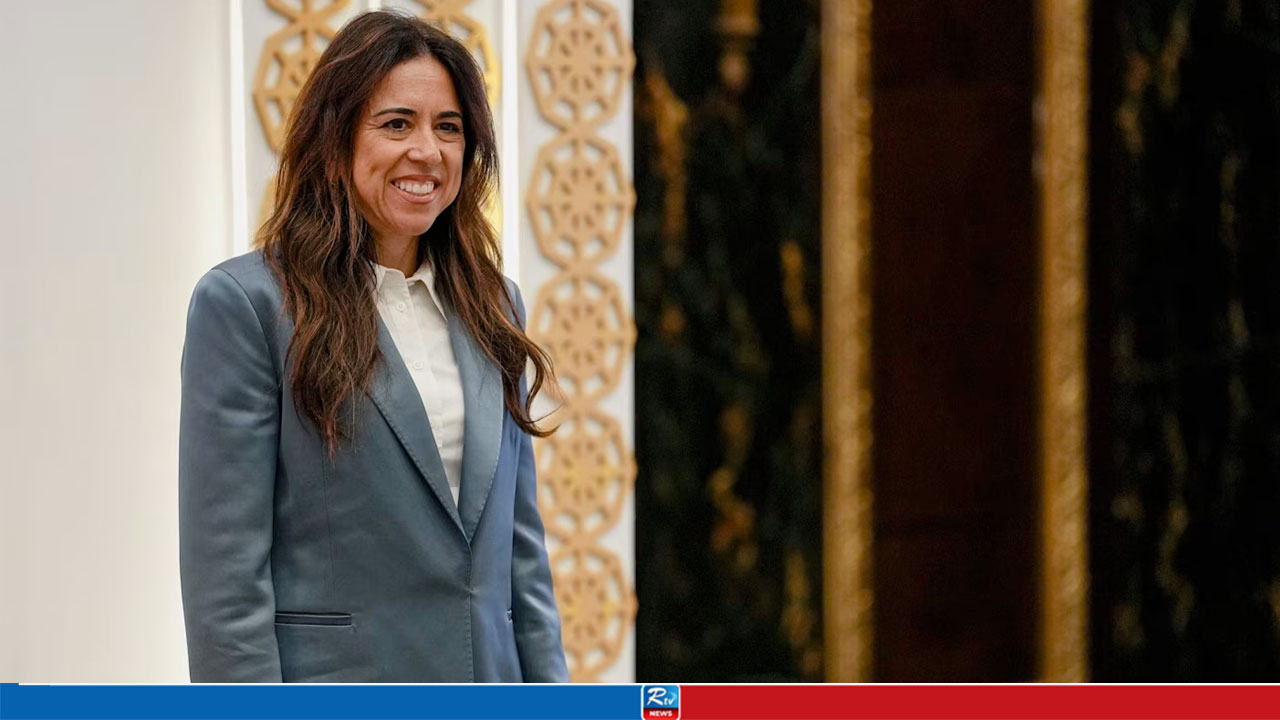
The name of senior United Arab Emirates diplomat Lana Nusseibeh has surfaced in discussions for the post of the next United Nations Secretary-General, as current chief António Guterres' term draws to a close in late 2026.
However, the race to elect the new Secretary-General is growing increasingly complex due to differing views among the permanent members of the UN Security Council, according to a report by the Financial Times.
Citing diplomatic sources, the report revealed that supporters of Nusseibeh have been sounding out delegates from various UN member states to gauge backing for her potential candidacy.
She currently serves as the Minister of State for Foreign Affairs for the UAE and previously held the post of UAE’s Permanent Representative to the UN from 2013 to 2024.
Meanwhile, among the official candidates, Rebeca Grynspan—former Vice President of Costa Rica and current head of the UN Conference on Trade and Development (UNCTAD)—remains in a leading position. She received nine favorable votes in the Security Council's latest straw poll.
However, two veto-wielding permanent members voted against her candidacy. Rafael Grossi, head of the International Atomic Energy Agency (IAEA) who placed second, also encountered opposition from two permanent members.
Regional geopolitical dynamics add another layer of complexity to Nusseibeh’s potential candidacy. The UAE has faced scrutiny over allegations of supporting the paramilitary Rapid Support Forces (RSF) in Sudan's civil war—an accusation Abu Dhabi has firmly denied, maintaining it does not supply arms to any warring faction.
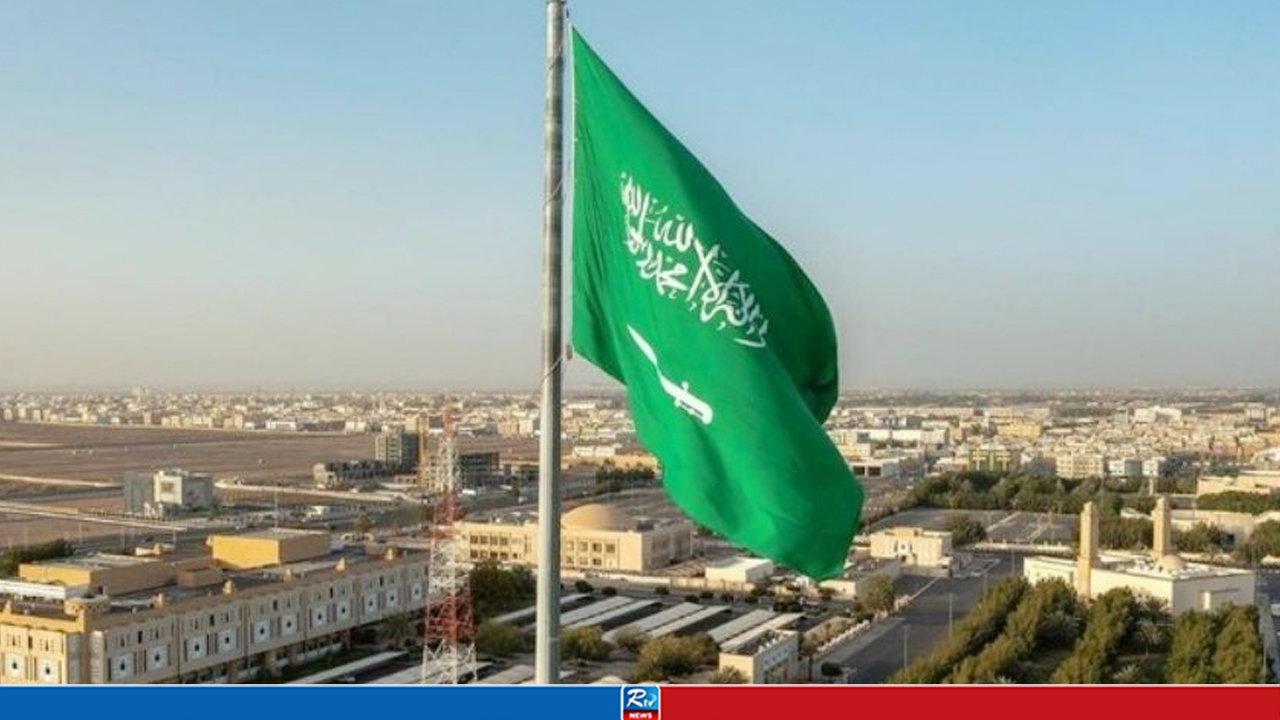
Questions also loom over how Saudi Arabia might view her candidacy, given the ongoing regional influence competition between the two Gulf nations, according to analysts.
Within the UN, there is an informal expectation that the next Secretary-General should be chosen from Latin America, along with calls to appoint a woman to the top post following decades of male leadership.
The United States, however, has stated that candidate qualifications should take precedence over regional origin or gender considerations.
The incoming Secretary-General will assume leadership amid severe UN budget constraints, escalating global conflicts, and mounting pressure for institutional reform.






 Live TV
 RTV Plus