Dhaka 29 September, 2026

What does Elon Musk want with Twitter?

Deutsche Welle

Publish : 29 Oct 2022, 10:56 AM

The world's richest man now controls one of the most influential social media platforms. What's his plan? And how will he use that power?

The richest man in the world became even more powerful this week.

Late Thursday evening, billionaire Elon Musk completed his $44 billion takeover of social media giant Twitter. "The bird is freed," he tweeted, a reference to the firm's logo.

The acquisition gives Musk control over one of the world's most influential online platforms. It turns him into the gatekeeper of what can and cannot be said on the world's "digital town square." And it supercharges his political power, as the 51-year-old is increasingly weighing in on geopolitical conflicts from Ukraine to Taiwan.

Who is this self-declared "free speech absolutist"? What's his plan for Twitter? And how could the platform change under his ownership?

Like no tech mogul before
Born in South Africa in 1971, Musk moved to Silicon Valley in the mid-1990s and co-founded the online software company Zip2. Just a few years later, the firm was sold for over $300 million.

In the two decades since, Musk has made a fortune by founding numerous businesses, in fields ranging from online payment to neurotechnology. This year, Forbes magazine named him the world's wealthiest person.

At the same time, Musk emerged as a public figure like no tech mogul before him.

Nowhere is that more apparent than on Twitter, the social media giant he now calls his own. Musk regularly takes to the platform to tweet to his over 110 million followers, whether to broadcast his political views, weigh in on public debates, or just post memes.

And more than once, he has clashed with what is okay to say on the platform.

In 2018, in what appeared to be a reference to a number used to celebrate the use of marijuana, Musk tweeted that he was mulling taking his car company Tesla private at a price of $420 a share.


The tweets prompted chaos on the markets and led to an investigation by US regulators. After finding that the tweets had no basis in fact, they charged both the company and Musk with fines of $20 million each.

A year later, Musk was sued by a British cave expert after labeling him as a "pedo guy" on Twitter. A US court later found Musk not liable for defamation.

Will Twitter now have fewer rules?
That communication style stands in stark contrast to other tech executives, including Twitter's discreet former CEO Jack Dorsey.

It isn't the only difference between the two: Under Dorsey's leadership, the platform introduced measures to moderate content, such as labeling false information or banning the misgendering of transgender people.

Musk, on the other hand, has pledged to restore "free speech" on Twitter. This has led many to believe that he could plan to loosen some of Twitter's community guidelines.

As one of his first moves, Musk this week reportedly fired some of Twitter's top executives, including officials in charge of the firm's policies on harmful speech.

But observers say that his efforts to scale down content moderation could be slowed down by concerns over advertisers withdrawing from the platform. And policymakers have already signaled they will keep a close eye on whether Twitter continues to enforce existing laws.

"In Europe, the bird will fly by our … rules," tweeted Thierry Breton, the European Union's Internal Market Commissioner, in response to Musk's "freed bird" post. Rajeev Chandrasekhar, India's Minister of State for Electronics and Information Technology, struck a similar tone when he tweeted that his country's "rules and laws for intermediaries remain the same regardless of who owns the platform."

Whether that will impact Musk's plan to scale back content moderation is unclear — just like what he will do about the account of former US President Donald Trump. His account was permanently suspended following the January 2021 insurrection at the US Capitol over concerns that he would use it to incite more violence.

Vis-à-vis governments
To understand Elon Musk's ever-growing power, it is important to understand that over the last few years, some technology manufactured by his firms has become vital for running entire societies.

No other company within Musk's business empire illustrates that better than spacecraft manufacturer SpaceX. In late February, after Russian tanks began rolling into Ukraine, Musk activated the company's satellite network Starlink to help reinstall internet access in the besieged country. Military experts say this has been a crucial tool for Ukraine's forces to coordinate their fight.

As the provider of such critical digital infrastructure, Musk has become an important partner for governments. He makes no secret that he is in contact with countries around the world. And Musk is also increasingly weighing in on geopolitics.

This month alone, he caused turmoil by suggesting that some control of Taiwan should be handed over to China; by pitching a plan for how to end the war in Ukraine; and by tweeting about how to circumvent internet censorship in Iran that exposed some protesters to hacking attempts.

As the acquisition of Twitter allows Musk to take ownership of yet another powerful sphere of influence, many expect him to become even more vocal.

It is still unclear what Musk wants to do with the platform in the long run. Some believe that he plans to turn the platform into an "everyday app" — similar to China's popular WeChat app, where users can communicate, pay for things, get news, and more.

The coming months will show where Twitter under Elon Musk is headed. And the plans of the mercurial businessman could, of course, change anytime.

Follow google news channel to get RTV news Google News
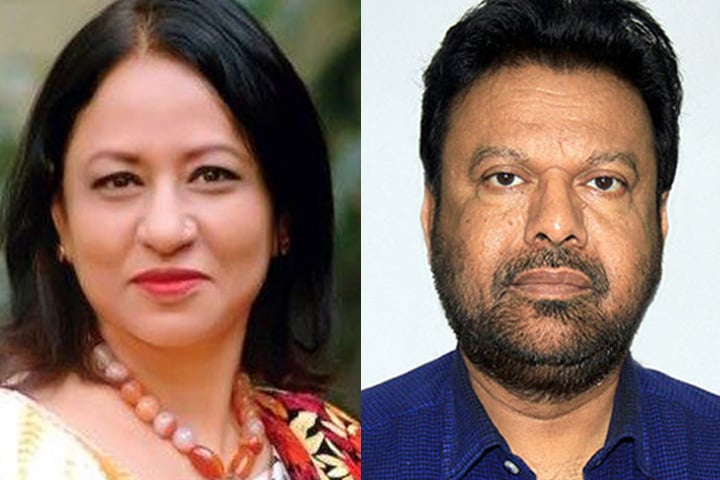
President Farida Yasmin, General Secretary Shyamal Dutta
National Press Club President Farida Yasmin, General Secretary Shyamal Dutta. Farida Yasmin became the president again in the press club elections and Shyamal Dutta was elected as the general secretary. Farida Yasmin got 567 votes and Shyamal Dutt got 496 votes.
President Farida Yasmin, General Secretary Shyamal Dutta
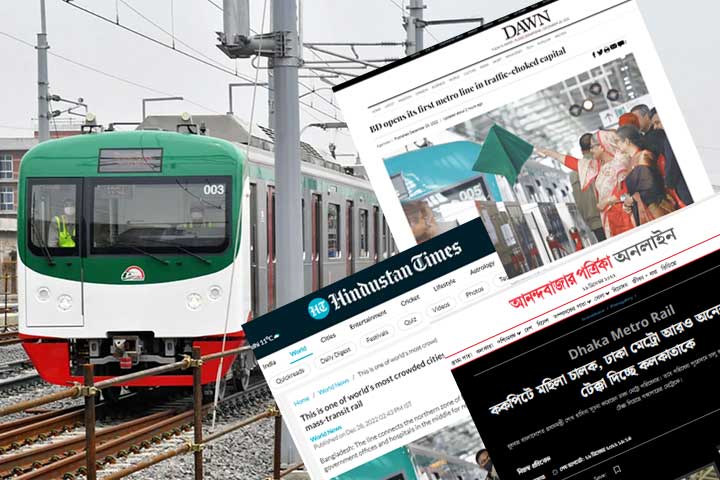
'Bangladesh's Metro Rail News' in the Eye of World Media
For the first time Bangladesh has set foot in the era of Metro Rail. On Wednesday, December 28, the Metro rail first phase was inaugurated by Prime Minister Sheikh Hasina. A new epoch of metropolitan started. The News of Metrorail inauguration in Dhaka has been circulated in various newspapers around world. The French AFP news agency titled, 'Bangladesh opens first metro line in traffic-choked capital Dhaka'. According to this report, Bangladesh's sprawling capital inaugurated its first ever metro rail line on Wednesday as authorities work to ease congestion that has throttled growth and inflamed tempers in the gridlocked metropolis. United States based media outlet Bloomberg titled, "One of World’s Most Crowded Cities Gets First Mass-Transit Rail." According to the Bloomberg report, "Bangladesh’s capital now has its first metro rail, a Japanese-funded project that aims to ease commuting in one of the most congested cities in the world.  A section of the over 20-kilometer (12.427 miles) urban rail project, known as Line 6, was inaugurated by Prime Minister Sheikh Hasina Wednesday. The line connects the northern zone of Dhaka to a hub of government offices and hospitals in the middle for now. Eventually it will cut through the city to the financial district of Motijheel in the south." The Saudi based media Al-Arabiya titled, "Bangladesh’s congested capital Dhaka gets first mass-transit rail." According to this report, "Bangladesh’s capital now has its first metro rail, a Japanese-funded project that aims to ease commuting in one of the most congested cities in the world. A section of the over 20-kilometer (12.427 miles) urban rail project, known as Line 6, was inaugurated by Prime Minister Sheikh Hasina on Wednesday. The line connects the northern zone of Dhaka to a hub of government offices and hospitals in the middle for now. Eventually it will cut through the city to the financial district of Motijheel in the south." The Indian based newspaper 'Times of India' also published AFP report on metro rail. Another Indian  media outlet NDTV also published Bloomberg report. One of the popular West Bengal Bengali daily 'Anandabazar Patrika' titled,  Dhaka metro rail  inauguration, 'Relief from traffic jams, Metro service started in Dhaka, start off by Sheikh Hasina.' According to the report, Metro rail service begun in Dhaka. Prime Minister Sheikh Hasina waved the green flag and the country's first-ever metro began to roll.  In addition to, Singapore's English daily "The Straits Times", India's "Business Standard", Hindustan Times, Pakistan's "Dawn", "UrduPoint", and many more media outlets around the world published Bangladesh's Metrorail inauguration News.
'Bangladesh's Metro Rail News' in the Eye of World Media
Elon Musk says he will step down as Twitter CEO
Previously, Musk posted a poll on Twitter asking the platform's users whether he should stay on as CEO. More than 57% of the millions who voted said he should step down from his role. Elon Musk said Tuesday he will step down as chief executive of Twitter as soon as a replacement is found. "I will resign as CEO as soon as I find someone foolish enough to take the job! After that, I will just run the software and servers teams," Musk wrote on Twitter. What else has Musk said about stepping down? Earlier this week, Musk received a clear indication from Twitter users that the majority of them would like to see him step down from the job after weeks of controversy surrounding the social media platform. Around 57.5% of the 17.5 million people who took part in a poll he posted on Twitter with the question, "Should I step down as head of Twitter?" answered in the affirmative. Plumbing to new depths After months of lawsuits and the near miss of a full-blown trial, Musk finally took control of Twitter at the end of October. Just before the $44 billion (€41.45 billion) acquisition was finalized, Musk entered Twitter headquarters with a sink in his hands — tweeting the picture with the words, "Let that sink in." The ensuing two months have seen mass layoffs, rows over blue check marks, Donald Trump's account restored, several journalists banned from the platform, the prohibition of promoting other social media outlets and Twitter hemorrhaging millions of dollars per day. There have also been calls from Wall Street for Musk to step down from Twitter, which some investors see as distracting the billionaire from his work at Tesla, the electric vehicle company he also runs. 
Elon Musk says he will step down as Twitter CEO
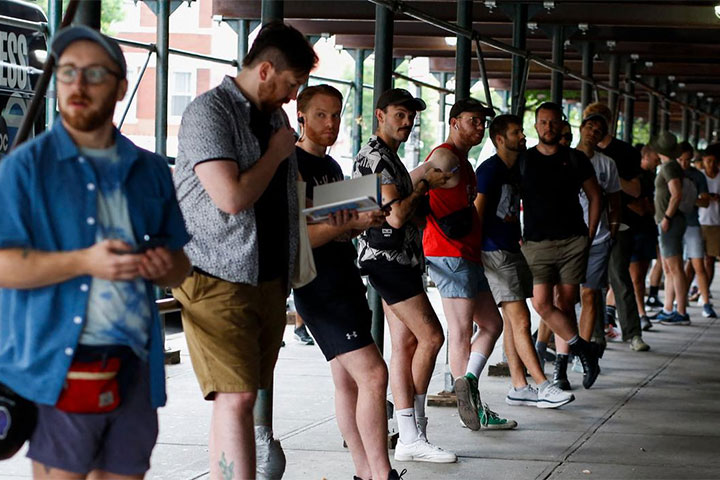
US to end mpox state of public health emergency
The mpox public health emergency was declared over the summer, as the country struggled to contain the soaring number of infections. However, cases have receded since, with vaccination going strong. The United States will likely end in late January the state of public health emergency declared last summer over the large number of mpox cases. Over 29,000 people were infected in the outbreak. However, cases shrank in recent weeks, after an effective vaccination strategy. The virus was initially known as monkeypox, but the WHO changed this name to mpox earlier this week, as it searched for a "neutral, non-discriminatory, and non-stigmatizing" name. Mpox in the US is most common among men who had sex with infected men. How did the US contain the virus? The US struggle to contain the mpox outbreak started to recede in August, after the declaration of the public health emergency. The White House tasked two top health officials, Robert Fenton and Dr. Demetre Daskalakis, with leading the response. The new strategy centered around targeting local clinics and Pride events with the two-dose Jynneos vaccine. The virus has killed 17 people to date in the US. The Health and Human Services Secretary Xavier Becerra said on Friday that the department expected there will no need to renew the emergency declaration on January 31. "But we won't take our foot off the gas,  we will continue to monitor the case trends closely and encourage all at-risk individuals to get a free vaccine,'' Becerra said. How serious is mpox? In July, the WHO declared the worldwide mpox outbreak a Public Health Emergency of International Concern (PHEIC). Typical mpox symptoms include a rash, headache, fever and chills, among others. The WHO has urged gay and bisexual men to limit their number of sexual partners in order to prevent the spread of the disease. Though endemic to Africa, mpox has spread to several parts of the world this year, claiming lives.    
US to end mpox state of public health emergency
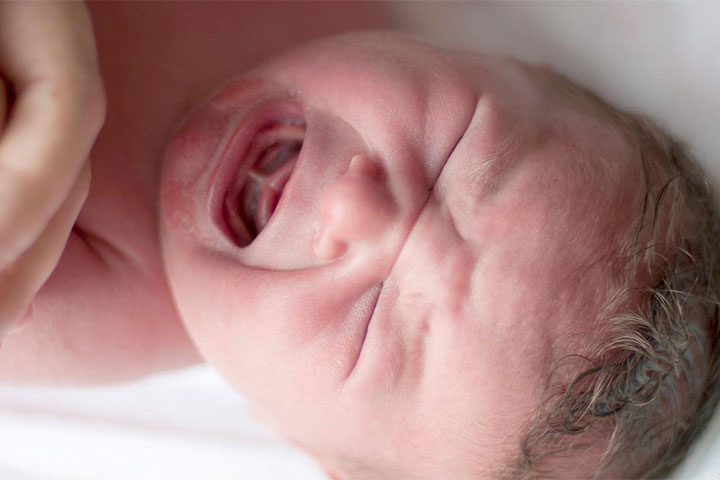
For children, serious respiratory infections are on the rise
Germany's public health agency reports more than 7 million cases of respiratory illnesses in a month. Babies and children have been infected by a virus that could threaten lives. Why are there so many cases this year? Doctors' offices across Germany are full of coughing, sniffing patients who don't just look miserable but probably feel that way, too.  According to the Robert Koch Institute, the country's public health agency, more than 7 million people have come down with various respiratory illnesses within a month. With cases skyrocketing in such a short stretch of time, doctors are barely able to cope. It's not unusual for cases of infectious disease to increase during the winter months. But this time around, the number is extremely high, and medical and care staff are reaching their limits. Altogether, researchers have identified around 200 different cold pathogens. Four of them are particularly rife in Germany and Europe at the moment, according to the Robert Koch Institute: influenza viruses, rhinoviruses, SARS-CoV-2 and the respiratory syncytial virus (RSV), which can be be dangerous particularly for babies and toddlers. RSV can lead to serious symptoms Many of the children who have been infected by the highly contagious RSV have been sent to the hospital for respiratory support. In some regions of Germany, pediatric wards are completely full. RSV is a common virus, and occurs on a seasonal basis. It can lead to bronchiolitis, which mainly affects children under the age of 2, causing their small airways to become inflamed and swell up. The airways become narrower, reducing air flow to and from the lungs, which can result in breathlessness and pneumonia. Mucus builds up in the fine bronchioles, the smaller branches of the airways, and can leave them seriously damaged. Fever and coughing are also typical of an RSV infection. Some children develop symptoms that resemble those of whooping cough, which can also lead to a life-threatening situation. Adults, for their part, tend to get over such infections without major problems — unless they have serious underlying medical conditions or an immune system that isn't functioning as well as it could. Lax COVID restrictions leading to more cold infections During the worst phases of the COVID-19 pandemic, infections by cold viruses — including RSV — were relatively rare. Most people observed the strict hygiene precautions put in place to stop the spread of COVID: frequent hand-washing, mask-wearing and social distancing. This made it considerably more difficult for viruses of all types to spread far and rapidly. This year, however, the anti-coronavirus measures aren't as strict, both in Germany and many other countries. Cold viruses don't need to overcome distance or face masks to spread their infection, and all those children who escaped infection during the pandemic are now getting sick, creating many more cases than there would be in a typical year. Many of the babies and toddlers who weren't infected two years ago are now getting sick this winter. The same goes for those who avoided illness last year, and the newborns who are just now experiencing their first wave of colds. All these cases are adding up, causing the overall number to explode. All these children have not previously had a chance to build up antibodies against RSV, or many other types of cold virus. Such antibodies help the body to fight off viruses and protect itself from pathogens. The hygiene measures to combat the coronavirus meant that the immune systems of babies and toddlers have, until now, never had to deal with cold viruses — making the current wave of infections all the more serious. What should parents look out for? A major alarm signal for parents is when a child has difficulty breathing, or makes rattling breath sounds. Whistling noises in the lungs or a sort of crackling can also be an indication of a respiratory illness, such as an RSV infection. The Robert Koch Institute has said that children with RSV often don't want to eat or drink, and may vomit. Tiredness can also be a symptom; children sometimes become apathetic and lose interest in everything. Where the symptoms come from exactly, how serious the illness is or whether it could even be life-threatening for a child are best assessed by medical experts. The most important thing to do in such a case is to go to a pediatric doctor, even if making an appointment isn't all that easy at the moment. The RKI has warned that the danger of infections is far from over, with worldwide case numbers possibly rising even further. France already made an emergency plan for a bronchiolitis epidemic in early November. Other countries may soon be forced to follow its example. This article has been translated from German.
For children, serious respiratory infections are on the rise
Read More
Elon Musk says he will step down as Twitter CEO
Twitter bans journalists covering the platform and Elon Musk
Warning to Twitter aimed at 'securing internet' in India: Govt sources