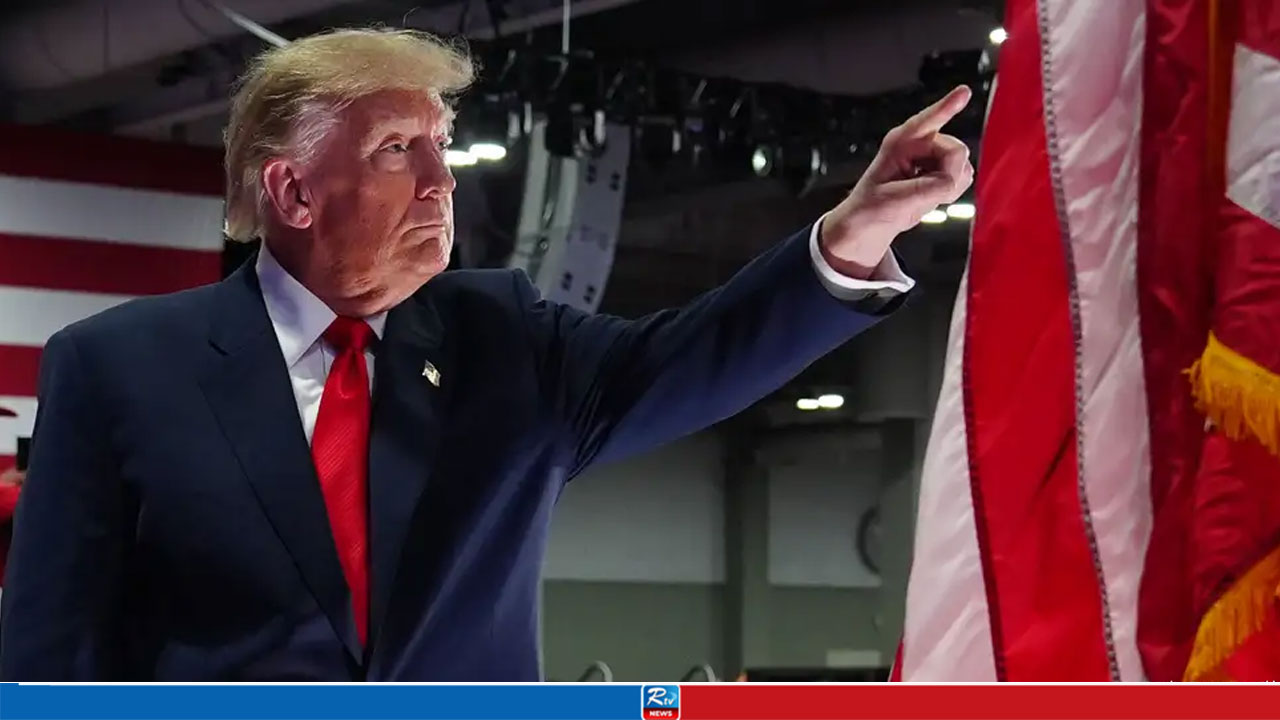
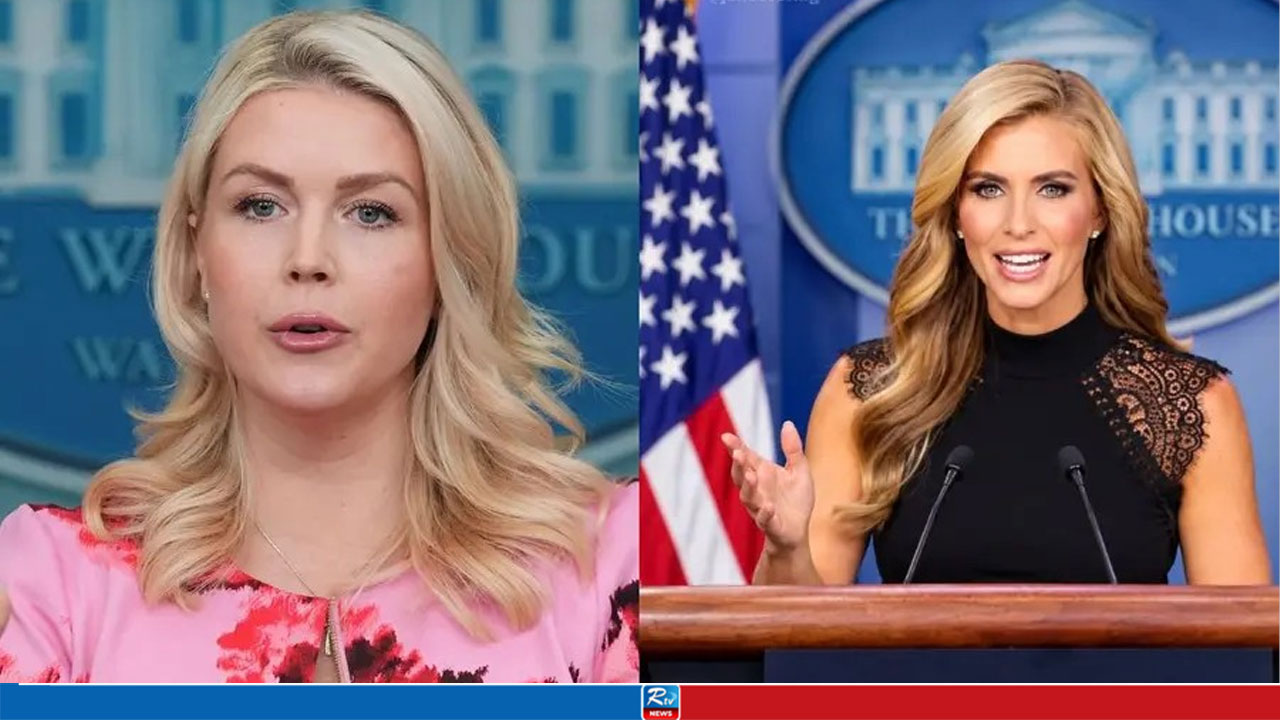
US President Donald Trump has announced plans to appoint a new AI advisor and establish an 'AI Force' focused on artificial intelligence.
However, in a social media post on Saturday (September 19), he did not provide specific details on how these two initiatives will function or be implemented.
According to a Reuters report, lawmakers in Washington are increasingly concerned about the potential risks AI technology poses to people and resources.
Earlier this month, Jacob Coxon, a former researcher at Anthropic, made explosive remarks on the matter, stating, "Those building AI sincerely believe it could kill us all by the end of this decade."
Yet, Trump has repeatedly downplayed concerns regarding AI, arguing that excessive regulation is unnecessary.
Writing on his social media platform, Truth Social, Trump stated,
"We will in no way impede or stifle the growth of this incredible industry. Rather, as it develops, we will nurture it, support it, and keep an eye on it! However, we will also monitor harmful or bad actors, and we can easily address that through our existing criminal and civil justice systems."
If implemented, this plan would mark Trump's second appointment of an 'AI czar or chief'.
Venture capitalist David Sacks previously held the role before stepping down in the spring. Sacks also echoed Trump's skepticism toward imposing new AI regulations, stating at a Politico event on Wednesday that AI developers must take responsibility for ensuring the safety of their products and should be held liable if issues arise.
This new plan comes to light just days ahead of Trump's scheduled meeting with Chinese President Xi Jinping, set for next Thursday.
Washington and Beijing are locked in a race for leadership in artificial intelligence, with both governments viewing the technology as vital to their economic and military strength.
Trump and tech executives believe that overly restrictive regulations will slow down AI development in the United States and weaken the competitiveness of American companies against Chinese rivals.
However, AI safety advocates frequently push back against this claim.




 Live TV
 RTV Plus