
Raghu Rai, the internationally acclaimed master of Indian photography, passed away on Sunday at the age of 83.
His family announced his demise in a statement paying tribute to "our beloved," marking the end of a prolific career that spanned over half a century.
Born in a village in Pakistani Punjab before the partition of the Indian subcontinent, Rai was a construction engineer by training before becoming an iconic photographer who documented the complex social and political life of India.
His son, Nitin Rai, revealed that the photographer had battled cancer for two years, recently facing complications as it spread to his brain alongside other age-related issues.
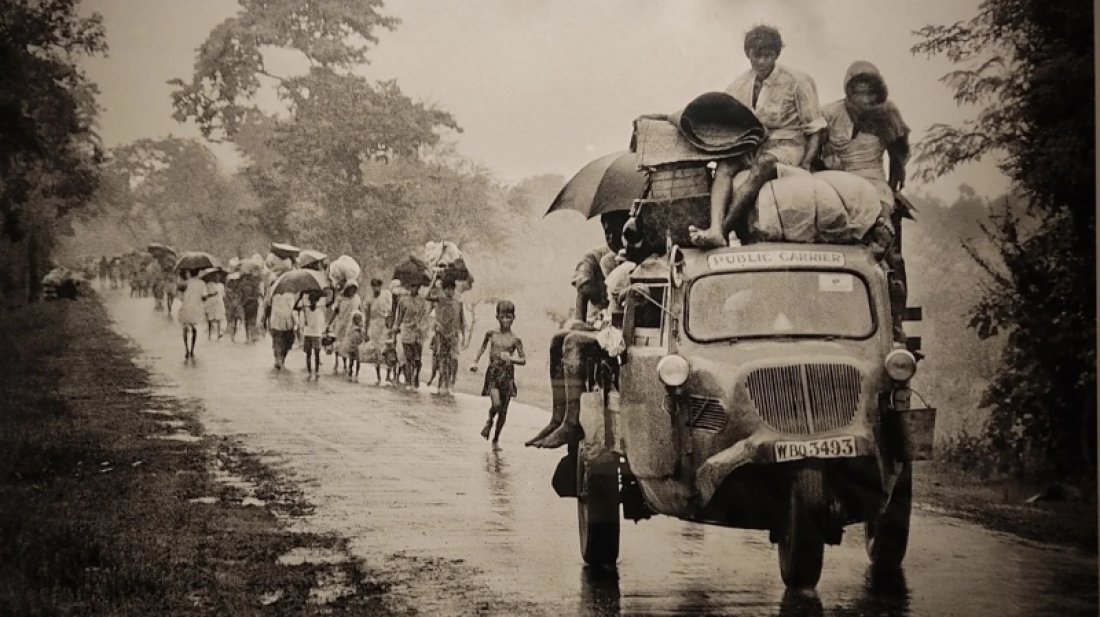
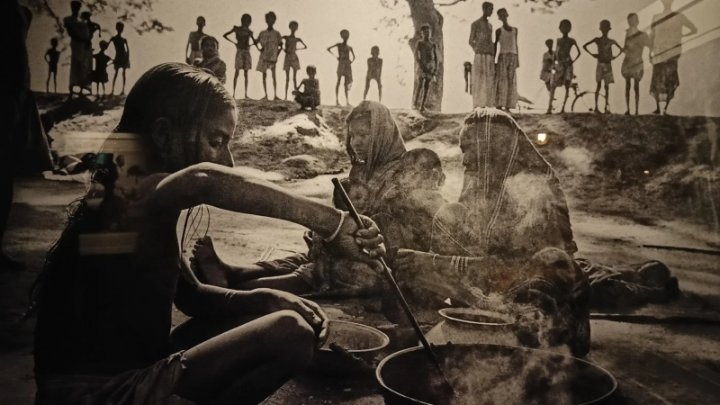
Rai’s legendary portfolio includes some of the most defining visual records of the region’s history, most notably his documentation of the 1971 Bangladesh Liberation War and the 1984 Bhopal gas leak, India's worst industrial disaster that killed an estimated 25,000 people.
In recognition of his exceptional work, he was awarded the Padma Shri in 1972, one of India's highest civilian honors, and later won the inaugural Academie des Beaux-Arts Photography Award.
“To the world, he was an incomparable master of photography, the visionary who captured the pulsating heart and soul of India,” lawmaker Shashi Tharoor said in a heartfelt tribute.
“Your vision will forever be the lens through which India is seen.”Known for his ability to photograph India’s political elite and its masses with equal alacrity, Rai published dozens of photo-books, including works on the Taj Mahal and intimate portraits of Mother Teresa, which hold a special place in his archive.
His career was significantly influenced by the legendary Henri Cartier-Bresson, who nominated Rai to the prestigious New York-based cooperative, Magnum Photos.
Rai’s professional journey began in the 1960s and 70s with some of India's leading media houses before he transitioned to independent work to better capture his country’s vast complexity.
Spanning film and digital, black-and-white and color, his work remained rooted in his homeland. Reflecting on his lifelong passion, Rai once said, “I can never be true to my experiences without a camera.”





 Live TV
 RTV Plus


