Kingdom of Saudi Arabia has expressed a firm desire to expand its economic partnership with Bangladesh beyond the traditional labor exchange, targeting multi-sector investment opportunities in areas including fisheries, food production, conventional and renewable energy, solar power, information technology, and artificial intelligence.
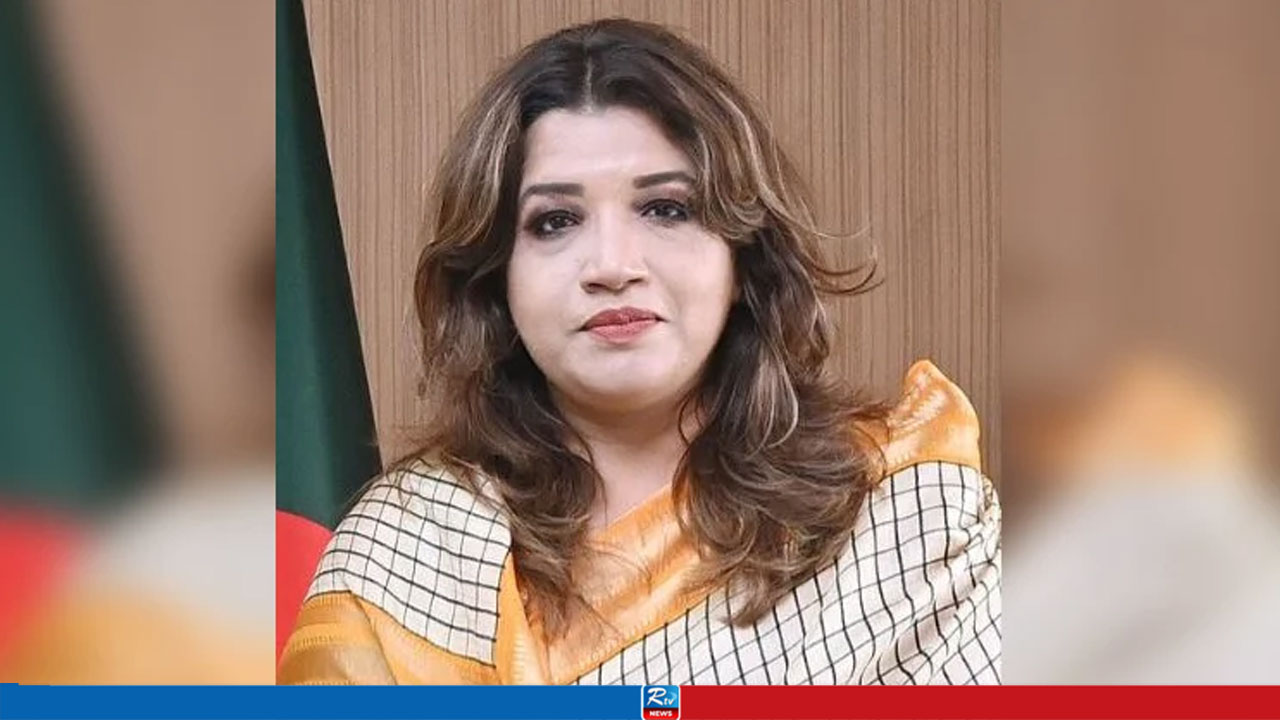
Relaying the message conveyed by a visiting high-level Saudi delegation, State Minister for Foreign Affairs Shama Obaed Islam told journalists at the Ministry of Foreign Affairs that Saudi officials repeatedly emphasized their intention to diversify their engagement with Bangladesh rather than restricting cooperation to a single sector.
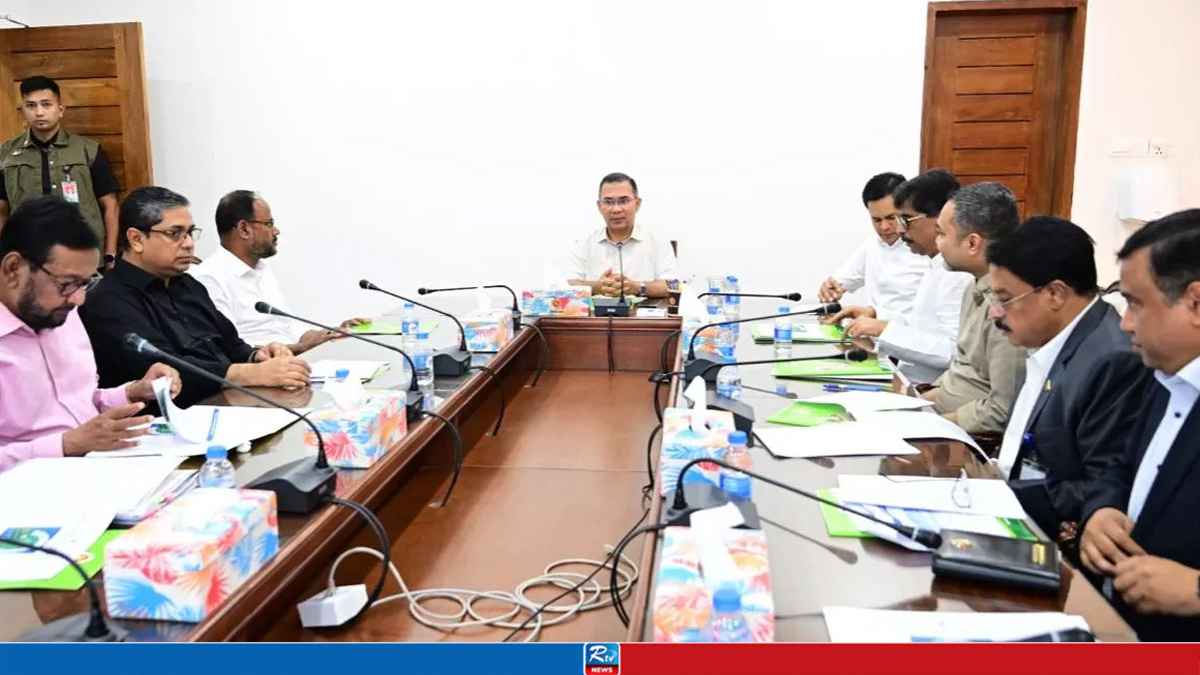
The state minister’s remarks followed a high-level bilateral meeting held at State Guest House Padma.
The Saudi delegation was led by Vice Minister for Foreign Affairs Eng. Waleed Elkhereji, alongside two deputy ministers.
Representing Bangladesh were Foreign Minister Dr. Khalilur Rahman, Home Minister Salahuddin Ahmed, State Minister for Foreign Affairs Shama Obaed Islam, and Prime Minister’s Foreign Affairs Adviser Humaiun Kobir.
State Minister Shama Obaed Islam noted that the Saudi delegation expressed strong confidence in Bangladesh's elected government following its democratic polls, reaffirming Riyadh's dedication to deepening bilateral relations.
Characterizing the discussions as "very successful and fruitful," she emphasized that both nations focused heavily on broadening economic collaboration.
According to Shama Obaed Islam, the Saudi government intends to invest in Bangladesh by leveraging its specialized knowledge across diverse industries such as fisheries, food security, power generation, solar and renewable energy, IT, and AI.
She added that Riyadh remains keen on recruiting a greater number of skilled Bangladeshi workers, identifying human resources as another key topic of discussion.
During the talks, Bangladesh extended gratitude to Saudi authorities for their full cooperation in repatriating the remains of three Bangladeshi nationals who lost their lives during recent regional conflict, an gesture acknowledged by the Saudi delegation, who paid tribute to the deceased.
Mutual invitations have also been extended between the leadership of both nations; Saudi Crown Prince Mohammed bin Salman previously invited Prime Minister Tarique Rahman to visit the Kingdom, while Bangladesh has formally invited the Saudi Crown Prince to Dhaka.
Shama Obaed Islam indicated that Prime Minister Tarique Rahman’s visit to Saudi Arabia will take place at a mutually convenient date following further official discussions.
Looking ahead, Shama Obaed Islam expressed optimism that a joint Bangladesh-Saudi investment meeting will be convened soon, featuring participation from the Bangladesh Investment Development Authority alongside relevant stakeholders. She also announced that political consultations and a Joint Working Group session are slated to take place in Bangladesh later this year.
Describing the Saudi delegation's visit as highly productive, Shama Obaed Islam highlighted Saudi Arabia's confidence that ties between both countries will continue to strengthen under the leadership of Prime Minister Tarique Rahman.
When asked about administrative issues involving passport documentation for Rohingya refugees or illegal stays by certain Bangladeshi workers in Saudi Arabia, she clarified that those topics were not central to the discussion, noting that Bangladeshi diplomatic missions in Jeddah and Riyadh are actively engaged with Saudi officials to address passport-related concerns.
Saudi Vice Minister Eng. Waleed Elkhereji arrived in Dhaka on Monday night for a two-day visit, where he was received at Hazrat Shahjalal International Airport by Prime Minister’s Foreign Affairs Adviser Humaiun Kobir, and is scheduled to depart Bangladesh on Tuesday afternoon.
Highlighting the economic horizon, Saudi Ambassador to Bangladesh Dr. Abdullah Zafer H. bin Abiyah recently stated in an interview with UNB that the next five years could represent a "transformative phase" in bilateral economic relations, emphasizing strategic investments, industrial partnerships, and technology transfers.
Ambassador Dr. Abdullah Zafer H. bin Abiyah noted that Bangladesh represents one of South Asia's most dynamic investment hubs with its 170-million-strong market strategically positioned between South and Southeast Asia, highlighting energy infrastructure, LNG, oil refining, healthcare, pharmaceuticals, and food security as exceptionally promising sectors.





 Live TV
 RTV Plus