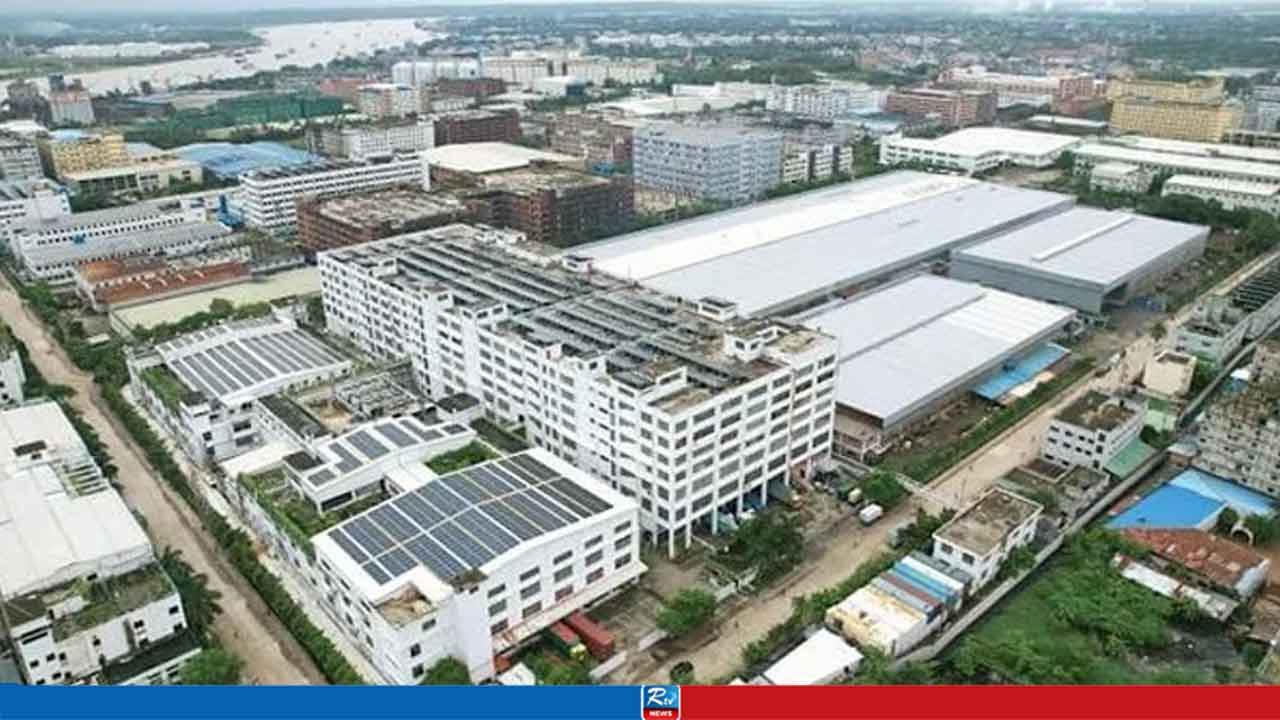
A proposal for a 442-megawatt (MW) solar power project is expected to receive approval at the upcoming Executive Committee of the National Economic Council (ECNEC) meeting this week.
Once approved, the project will be implemented in phases in Rampal, Bagerhat.
According to the Bangladesh Power Development Board (BPDB), the estimated cost of the project is 2,502.40 crore BDT. It will be constructed adjacent to the existing 1,320 MW coal-fired power plant in Rampal. Because site development work—including land filling and boundary security—has already been completed, construction costs and implementation time are expected to be significantly lower compared to a greenfield project.
Lower Tariff: The potential tariff for electricity generated from this plant is set at 6.18 BDT per unit, which is about 43% lower than the estimated 8.87 BDT per unit tariff proposed for the 220 MW solar plant in Sonagazi, Feni.
Land & Financing: The photovoltaic (PV) plant will be built on 918.5 acres of unused land originally acquired for the coal project, utilizing the Power Development Fund.
Grid Integration: The plant will connect to the national grid via a new 230 kV transmission system linked to the substation of the Bangladesh-India Friendship Power Company Limited (BIFPCL).
Implementation Timeline: According to BPDB Chairman Engineer Rezaul Karim, the Planning Commission has already cleared the project, and phased implementation is scheduled to begin in 2028.
Strategic Impact and Sustainability Goals
Feasibility studies conducted by the Infrastructure Investment Facilitation Company (IIFC) indicate that utilizing existing infrastructure will drastically cut capital expenditures.
Experts note that the project aligns with Bangladesh's target to generate 20% of its annual electricity demand from renewable sources by 2030.
Shafiqul Alam, Lead Energy Analyst at the Institute for Energy Economics and Financial Analysis (IEEFA), remarked that converting land initially designated for coal into a solar facility reflects Bangladesh's shifting energy priorities.
The initiative is expected to reduce carbon emissions, ease environmental pressure on the nearby Sundarbans, curb reliance on imported fossil fuels, and support commitments under the Paris Agreement, Sustainable Development Goals (SDGs), and the Integrated Energy and Power Master Plan (IEPMP)-2023.






 Live TV
 RTV Plus