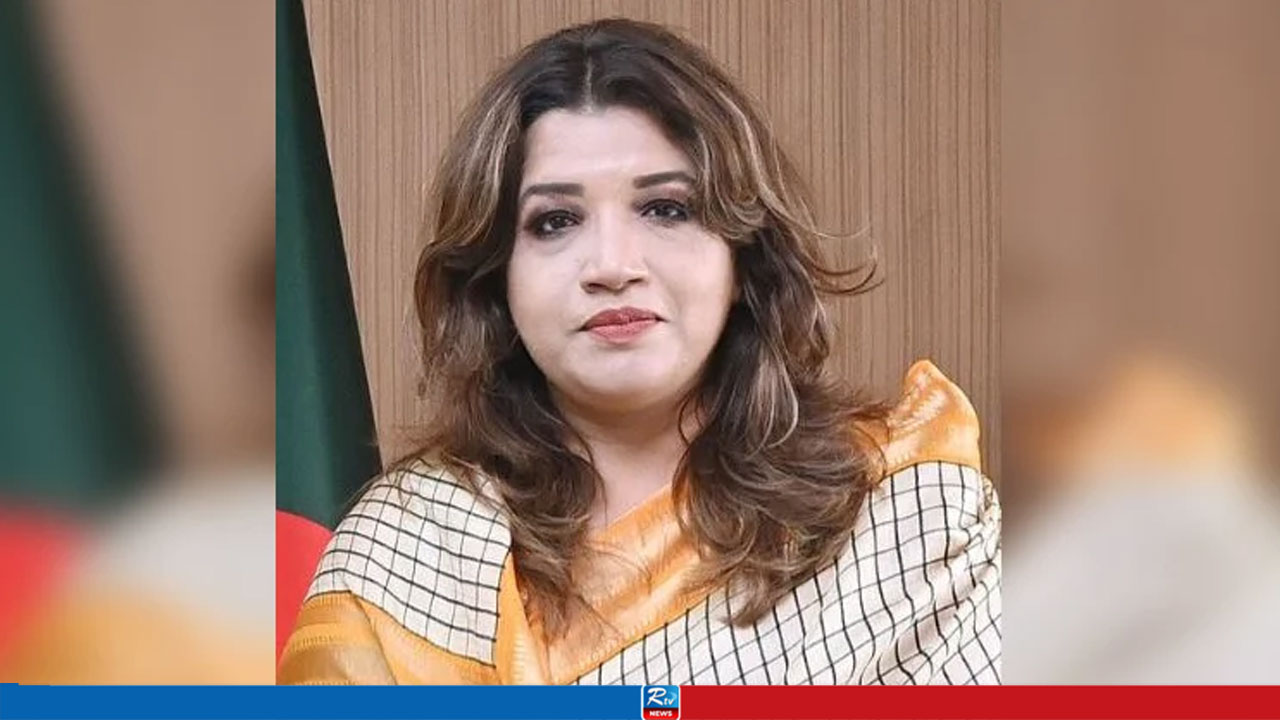
Dr. Zubaida Rahman has urged the global community to foster enhanced international partnerships and establish innovative financial models to fundamentally transform women's healthcare across Bangladesh.
"Traditional development assistance alone cannot meet the healthcare demands of our growing population. Innovative financing combined with national commitment, concessional investment, grant-supported technical assistance and sustainable domestic resources are needed," she asserted.
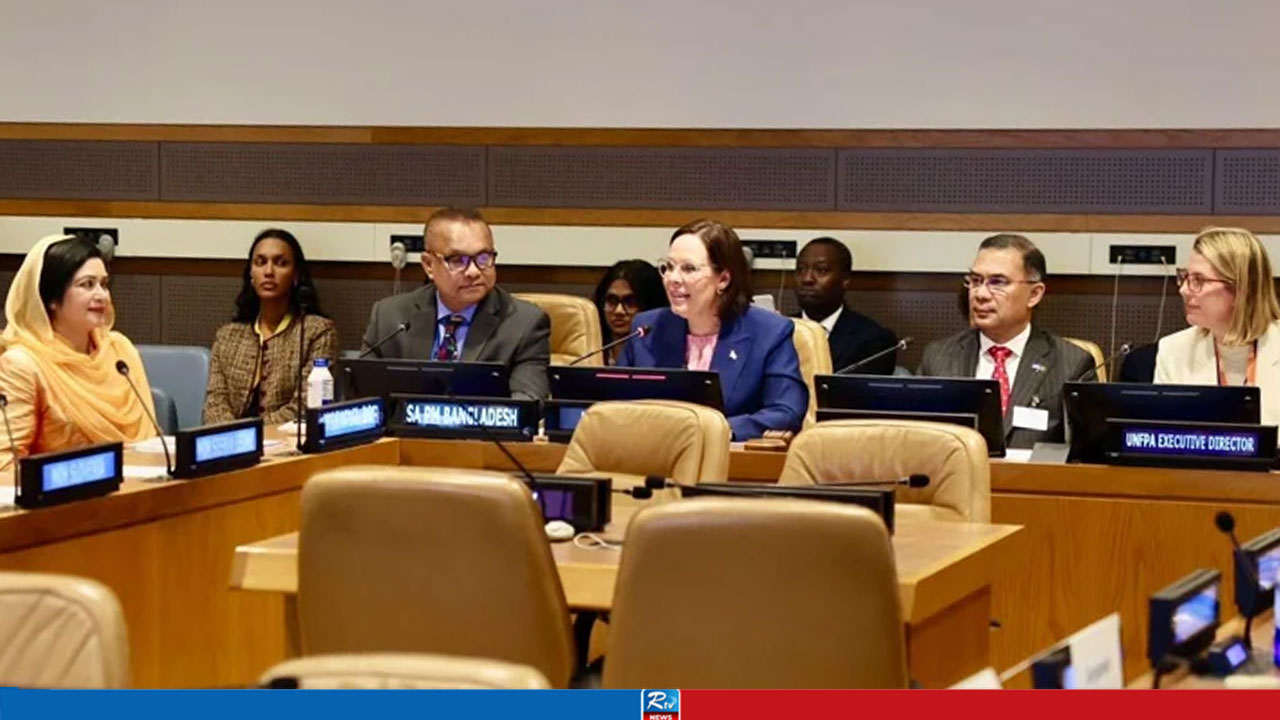
She delivered these remarks while addressing a high-level assembly titled "The Moment is Now: Unlocking New Capital for Women's Health Beyond Aid" at the World Health Summit held in Berlin on Sunday.
"Our country will, Insha'Allah, demonstrate how political commitment, innovative financing and international partnerships can transform women's health," stated Dr. Zubaida, who serves as the Vice-President of the Ziaur Rahman Foundation and is the spouse of Prime Minister Tarique Rahman.
She appealed to global development partners, development finance institutions, philanthropic entities, and private sector leaders to collaborate with Bangladesh in reinforcing its female healthcare infrastructure.
"A shift from fragmented projects to stronger health systems, from short-term aid to sustainable investments, and from political commitments to measurable results is required," she stated.
Highlighting that women constitute nearly 51 percent of Bangladesh's total population, Dr. Zubaida emphasized that investing in female health represents an investment in human capital, national economic prosperity, and the country's long-term future rather than a mere healthcare expense.
She detailed that under the leadership of Prime Minister Tarique Rahman, the administration remains dedicated to broadening health investments for women beyond basic maternal care to tackle critical issues including adolescent anaemia, maternal malnutrition, preventable infant and maternal deaths, and life-threatening cancers affecting women.
Furthermore, she noted that broader government interventions, such as Family Cards, Farmer Cards, and tuition-free education up to the graduation level, are empowering girls and women with expanded socio-economic opportunities.
Emphasizing the imperative to bolster maternal and neonatal health services, Dr. Zubaida announced plans to recruit 100,000 community health and well-being personnel—nearly 80 percent of whom will be women—alongside 25,000 additional professional midwives to scale up coverage nationwide.
These measures are engineered to encourage safe, natural childbirth, minimize unnecessary clinical procedures, and guarantee that every mother receives skilled, empathetic maternity care, she explained.
"No woman in any corner of Bangladesh should need to travel beyond her upazila health complexes, sub-district tier, or district hospitals to receive comprehensive essential maternal and newborn healthcare," she remarked.
She underscored that a mother's survival during childbirth must never hinge on her capacity to travel to Dhaka or afford exorbitant private medical care, defining this objective as an obligation to equity, human dignity, and social justice.
Dr. Zubaida also acknowledged the historic contributions of Shaheed President Ziaur Rahman and former Prime Minister Begum Khaleda Zia toward rural advancement, family planning, female literacy, and women's empowerment.
She noted that the former president's focus on rural development, civic participation, and family planning laid a resilient groundwork for social progress, while Begum Khaleda Zia's initiatives to expand female education—notably through secondary school stipends—opened transformative pathways for generations of young women.
Additionally, Dr. Zubaida highlighted Bangladesh's newly inaugurated Women's Health Initiative, which prioritizes the prevention of avoidable deaths stemming from female cancers.
She expressed appreciation to the United Nations Population Fund (UNFPA) and the European Investment Bank (EIB) for their strategic cooperation in advancing female healthcare nationwide.
"Every girl in Bangladesh deserves a safe childhood, every mother in every household deserves safe childbirth, and every woman in both rural and urban areas deserves the opportunity to live a long and productive life," she affirmed.
Attending the session as the guest of honour, Dr. Zubaida joined a distinguished gathering of state officials, development finance executives, international health agencies, and corporate figures exploring novel avenues to mobilize capital for female health beyond conventional foreign aid.
Notable attendees included UNFPA Executive Director Diene Keita, Ghana's Health Minister Kwabena Mintah Akandoh, EIB Vice-President Marek Mora, Birgit Pickel of Germany's Federal Ministry for Economic Cooperation and Development, and Dr. S. M. Ziauddin Hyder, Special Assistant to the Prime Minister on Health Affairs.
Meanwhile, Bangladesh's engagement at the World Health Summit was marked by the announcement of an agreement to redirect a 250-million-euro sovereign loan from the EIB toward the dedicated Women's Health Initiative.
The initiative is designed to impact approximately 47 million women and girls between 2027 and 2031, with UNFPA collaborating directly with the government to execute the rollout.
Throughout the summit, the Bangladeshi delegation engaged in strategic panels covering sustainable healthcare financing and South-South technical cooperation in midwifery.
The delegation also conducted targeted meetings with international medical institutions and private sector leaders, including Bayer, Roche, the Berlin Institute of Health, and Charite - Universitatsmedizin Berlin, to deepen operational collaboration in women's healthcare and reproductive health services.






 Live TV
 RTV Plus