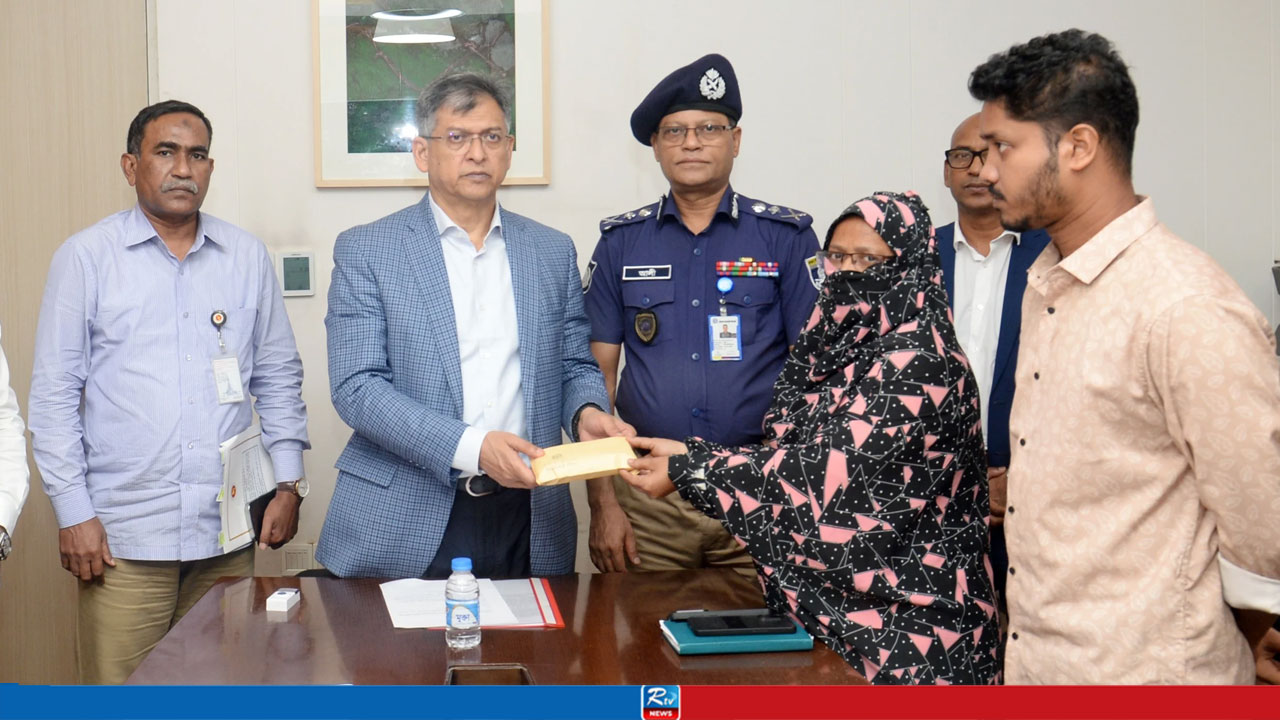
Home Minister Salahuddin Ahmad has assured that the Wage Board formed to determine the minimum wage for garment sector workers will start its work promptly.
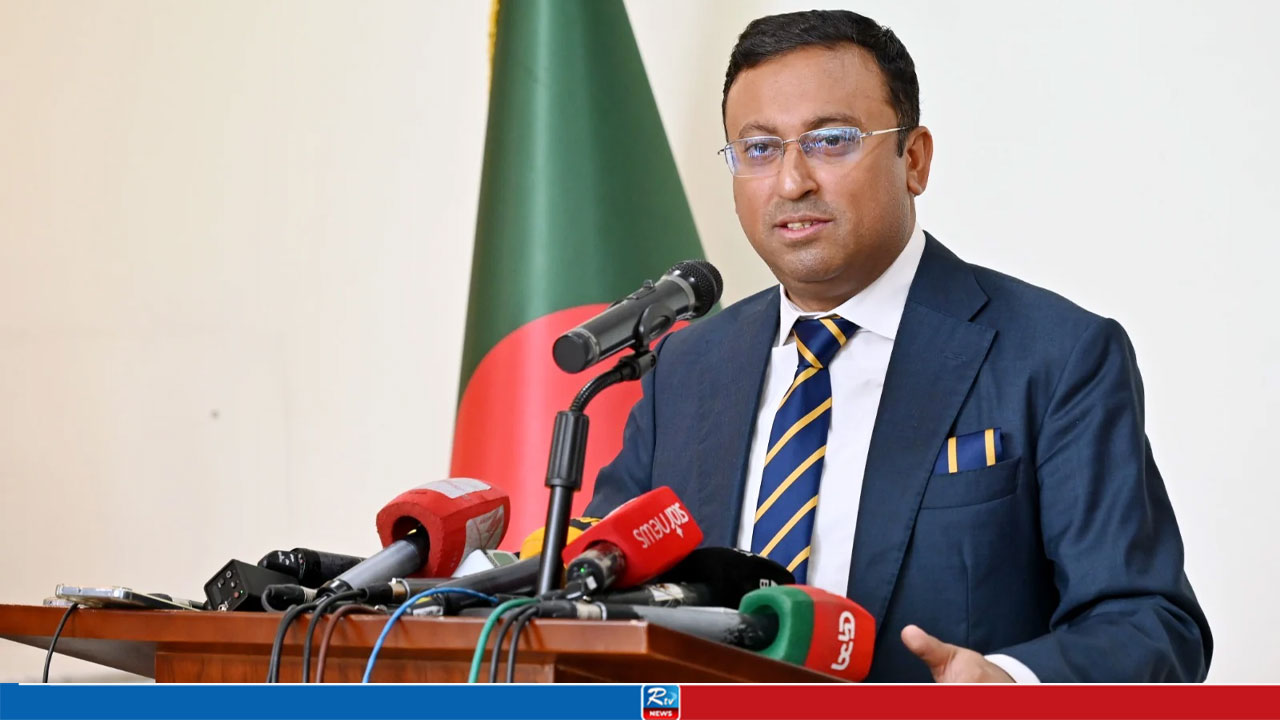
He shared this assurance with journalists on Monday afternoon (November 2) following separate meetings with representatives of labor leaders and factory owners.
The Home Minister stated that the Wage Board was constituted in response to the workers' demands. "The board was formed yesterday (Sunday) morning. The first meeting of the board could have taken place today, but even if it didn't, it is expected to meet very soon," he said.
He explained that the workers had demanded the quick formation of a wage board to fix their minimum wages.
In response, the Labor Minister consulted with factory owners and asked for their designated representative.
While the owners provided a name promptly, it took some time to finalize the workers' representative after consulting various labor unions.
"Once their representative was finalized on Saturday night, the wage board was formed yesterday itself. There was no delay," he added.
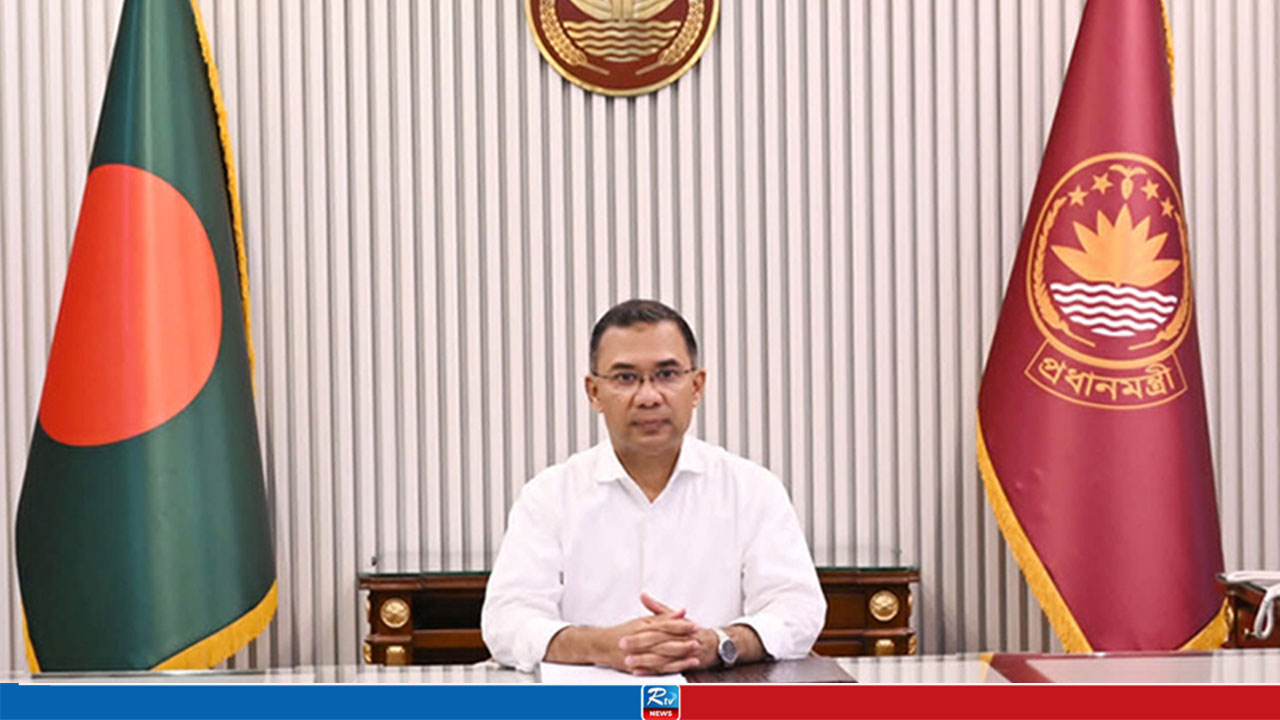
The Minister noted that the Prime Minister has instructed that the Wage Board's decisions be made keeping in mind the improvement of the living standards of working-class people.
At the same time, the interests of the factory owners and the industry must be considered so that production and exports are not disrupted.
However, the government will ensure that workers' interests receive greater protection.
He further mentioned that the Prime Minister has instructed the relevant ministers to adopt industry-friendly and worker-friendly policies.
Regarding the workers' movement, Salahuddin Ahmad said that workers may have demands and the right to protest, but initially, demands should be submitted to the relevant directorate and ministry through memorandums, followed by discussions among stakeholders.
Institutional frameworks, including the Wage Board, provide opportunities to raise workers' demands.
He added that law enforcement agencies have consistently been instructed to clear workers from the roads through dialogue and consensus.
The Home Minister claimed that workers and labor leaders have no connection with those engaging in recent violent street protests.
Analysis of video footage from recent days revealed the presence of masked individuals, whose actions pose a risk of harming workers and their interests.
Regarding arrested workers, he assured that the government would look into the legal release of labor leaders and workers detained during various incidents.
Additionally, proper investigations will be conducted and action taken regarding those injured in protests and clashes.
"Our call to everyone is: from now on, let us return to industry, return to production, return home, and return to our workplaces," the Minister urged.
"Those who intentionally create instability on roads and highways even after the formation of the Wage Board certainly cannot be friends of the workers."
Appealing to labor leaders, Salahuddin Ahmad said, "I urge you to call upon the workers to return to work. Representatives of both workers and owners are on the Wage Board, where there is an opportunity to voice workers' demands."
He stressed that industries operate through the combined efforts of both workers and owners. Capital from owners and labor from workers come together to build industries, enrich the economy, and boost productivity.
Therefore, everyone must work together to keep industries operational, increase worker employment, and sustain the country's exports.
He further emphasized that factories must remain open to prevent unemployment from rising further.
Workers, owners, and the government must work collectively to maintain industrial productivity and keep the wheels of the economy moving.
Earlier, at 9:30 AM, the Home Minister held a meeting with representatives from BGMEA and BKMEA, the apex associations of garment manufacturers.
The meeting was attended by the Labor Minister, Prime Minister's Advisor Mahdi Amin, labor leader and Member of Parliament Shimul Biswas, the Cabinet Secretary, the Home Secretary, top intelligence officials, and senior police officers.




 Live TV
 RTV Plus