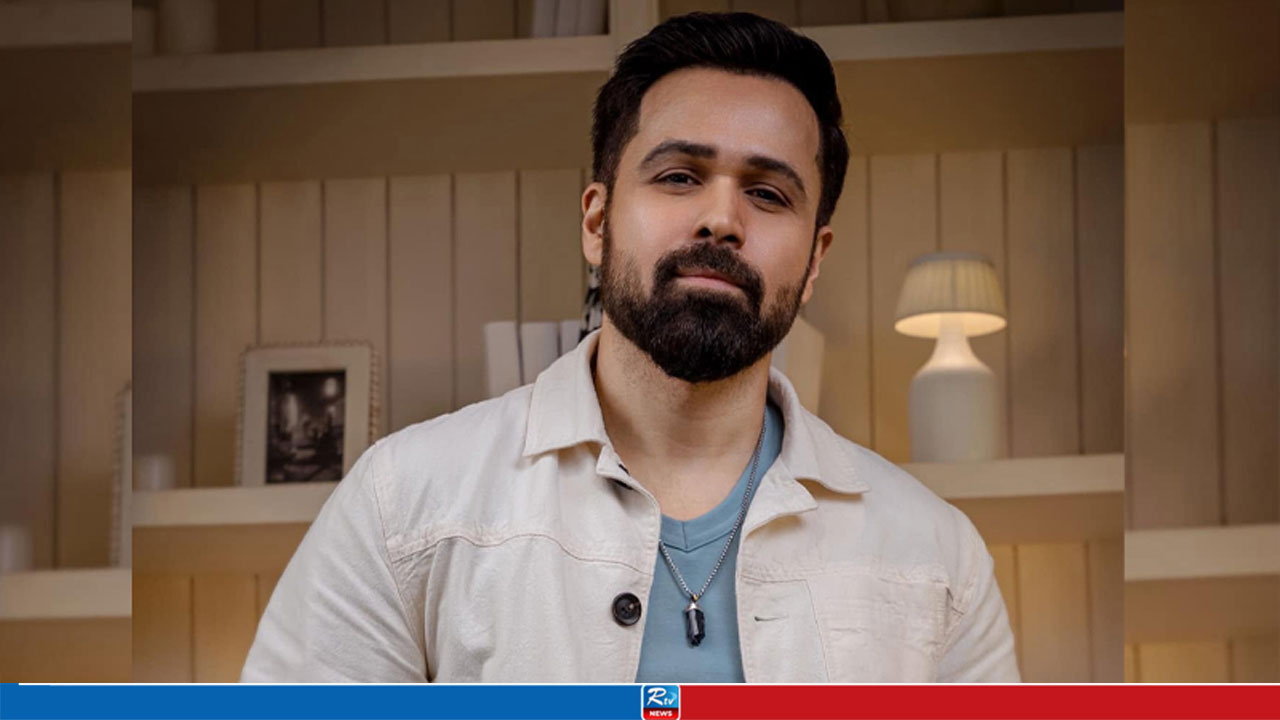
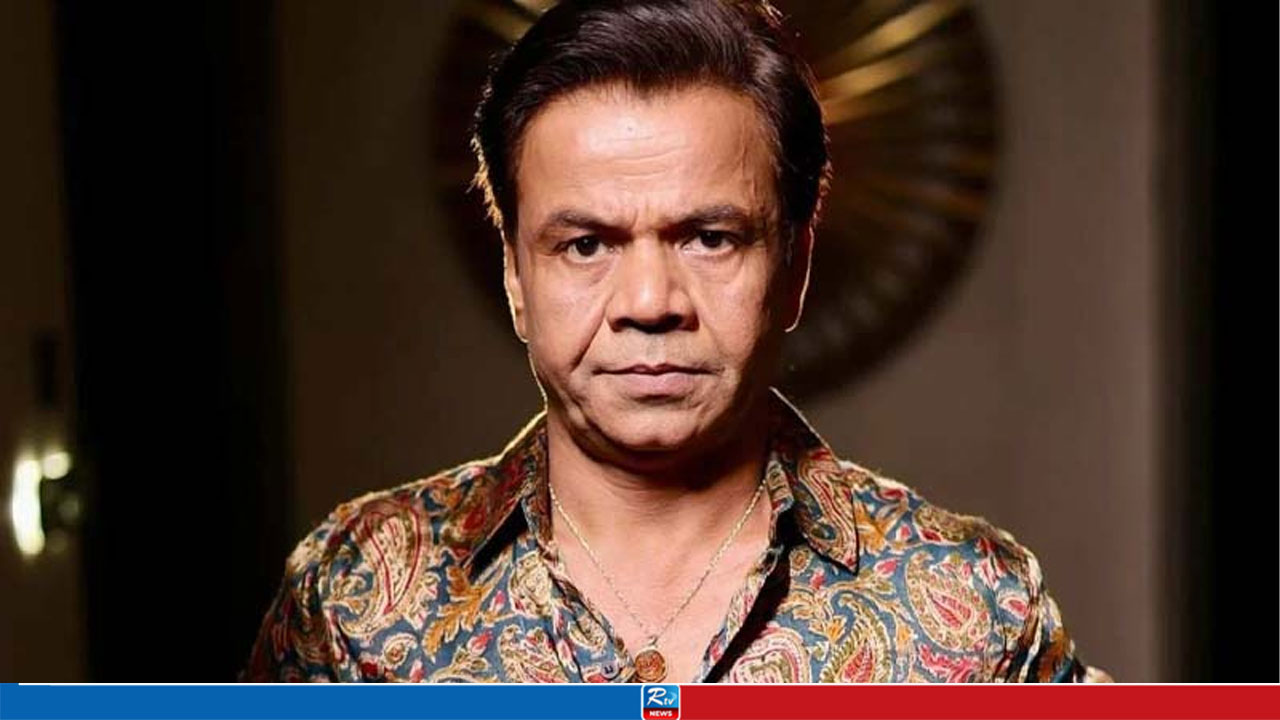
Bollywood actor Imran Khan has landed in legal trouble after participating in a protest in India.
The Bombay High Court has directed him to tender an unconditional apology, explicitly stating that submitting an affidavit alone will not suffice—he must submit a written, unconditional apology for participating in the demonstration.
The court also sternly warned that foreign nationals engaging in protests on Indian soil will not be tolerated.
According to NDTV, a hearing was held on Monday (November 2) regarding the "Leave India" notice issued against Imran after he attended a protest organized by the "Cockroach Janata Party" (CJP) in Mumbai.
The demonstration had demanded the resignation of India’s Chief Election Commissioner, Gyanesh Kumar.
Although Imran is a US citizen, he holds an Overseas Citizen of India (OCI) card. Accusing him of breaching OCI regulations by joining political demonstrations, the Foreigners Regional Registration Office (FRRO) had initially instructed him to leave India by October 28.
The actor subsequently approached the court to challenge the deportation order.
During the hearing, Imran's counsel stated that the actor had no affiliation with the protest organizers and was willing to submit an affidavit. However, the court remarked that an affidavit alone is insufficient and insisted on an unconditional apology.
In its observation, the court noted that while an OCI cardholder enjoys certain privileges to reside in India, they do not possess all the constitutional rights guaranteed to Indian citizens.
The presiding judge remarked firmly, "Go to the US and protest, vote there if you wish. But participating in protests while living in India will not be tolerated."
Meanwhile, Imran informed the court that he has spent a major portion of his life in India, where his children, family, profession, and personal roots lie, adding that he considers India his home.
The High Court has extended the stay on the FRRO notice until December 7, granting the actor interim protection from deportation for the time being. However, the final ruling on the case remains pending.






 Live TV
 RTV Plus